

Caitlin Clark's Ex-Teammate Sydney Colson Tells Silent White WNBA Players to 'Shut Up'
The former Indiana Fever guard said solidarity must include supporting Black teammates and addressing harmful comments, while stopping short of directly naming Sophie Cunningham
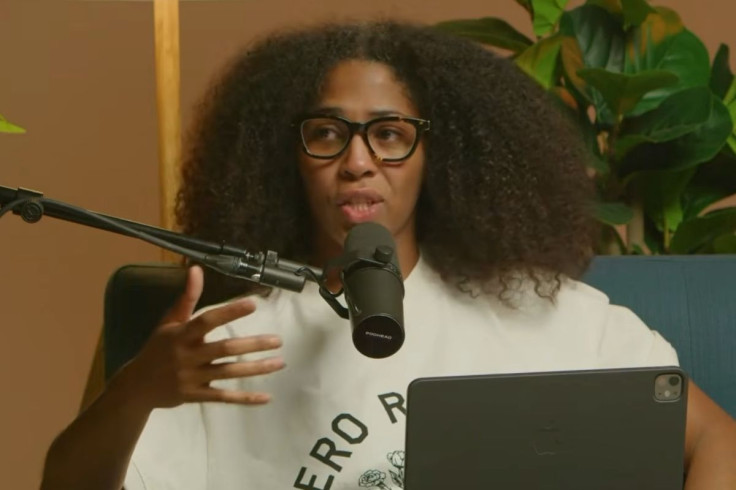
Former Indiana Fever guard Sydney Colson has criticised white WNBA players who remain silent about discrimination, accusing some of promoting sisterhood while failing to support Black teammates experiencing racism.
Colson made the remarks during the 8 October 2026 episode of Unsupervised with Syd & TP, titled Based in Reality, alongside former WNBA player Theresa Plaisance.
The 37-year-old, who previously played alongside Caitlin Clark and Sophie Cunningham at Indiana, also criticised comments about transgender athletes, although she did not explicitly name Cunningham in the relevant passage.
Sydney Colson Delivers Blunt Warning to White Players
Colson's criticism came during a discussion about the responsibility of WNBA players to support teammates facing discrimination. She argued that remaining silent while colleagues experienced hostility contradicted the league's emphasis on solidarity.
Addressing white players, Colson criticised those who failed to speak out and those whose public remarks she considered harmful. Referring to comments about transgender issues, she declared, 'Nobody respects you.'
She then repeatedly told those players to 'shut the f*** up', arguing that public expressions of sisterhood meant little without meaningful support.
Colson also suggested that some players avoided controversial discussions because they feared professional consequences.
Her remarks were not directed at every white WNBA player, but specifically at those she accused of remaining silent or making harmful statements.
Enough is enough.
— Unsupervised (@SydandTP) October 8, 2026
📺 Watch now: https://t.co/uEC3eoTYzC pic.twitter.com/PM8YVBfQjG
Sophie Cunningham Connection Raises Questions
The comments have attracted attention because Cunningham, another former teammate of Colson and Clark, previously expressed opposition to transgender athletes competing in women's sports.
Cunningham defended her position by arguing that opportunities for girls and women should be protected.
She also rejected suggestions that her stance meant she hated transgender people. However, the podcast transcript does not establish that Colson directly addressed Cunningham when discussing transgender-related remarks.
Her criticism was framed more broadly around player solidarity, discrimination, and the responsibilities of those with public platforms.
The distinction matters because Colson's statements should not be presented as a confirmed personal confrontation between the former teammates.
Fever Fan Incident Fuels Wider Discussion
The podcast also revisited a confrontation involving Las Vegas Aces star A'ja Wilson and a spectator during a playoff game against Indiana. Colson and Plaisance explained why they intervened after Wilson reacted to a spectator pointing towards her.
They said the incident occurred against a wider backdrop of hostile messages and discrimination experienced by players. Both described receiving abusive communications following the confrontation, including messages they characterised as racist and homophobic.
However, Colson explicitly clarified that she was not accusing the spectator who pointed at Wilson of racism. Instead, she argued that the wider environment surrounding Fever games had contributed to tensions involving players and supporters.
She also acknowledged that not every Indiana supporter behaved inappropriately.
WNBA Sisterhood Comes Under Scrutiny
Colson linked her criticism to the WNBA's history of collective activism, recalling campaigns against racial injustice and efforts by players to support one another. She contrasted that history with what she viewed as growing reluctance among players to address controversial issues.
Her central argument was that solidarity should extend beyond statements made during games or promotional appearances. She urged players to recognise how discrimination affects teammates beyond the basketball court.
The controversy highlights an ongoing debate within the WNBA about public advocacy, personal beliefs, and expectations of support between colleagues.
For Colson, the question is whether the league's commitment to sisterhood remains meaningful when players face discrimination.
© Copyright IBTimes 2026. All rights reserved.