Trump Administration In Shambles As Leavitt Confirms Second Strike On A Narco Terrorist Boat
Press secretary confirms follow-up Navy strike after first attack left survivors dead

A second US military strike on a suspected drug-smuggling boat has sparked shock and accusations of potential war crimes, casting the Trump administration into deeper turmoil.
Just days after reports surfaced of a follow-up strike against survivors of an earlier attack, the White House confirmed on 1 December 2025 that the strike occurred, and defended it as lawful.
The admission has provoked fierce criticism from lawmakers and legal experts, even as Washington maintains the strikes form part of a broader campaign against vessels allegedly operated by 'narco-terrorist' organisations.
White House Confirms Follow-Up Strike
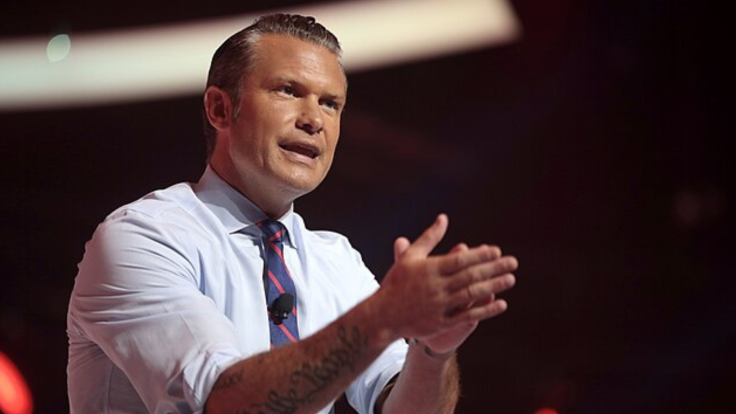
At a press briefing, White House Press Secretary Karoline Leavitt confirmed that a second strike was carried out on 2 September 2025 in international waters of the Caribbean. The operation, she said, had been authorised by Defence Secretary Pete Hegseth, and commanded by Frank M. Bradley, then head of US Special Operations, who ordered the follow-up attack.
According to Leavitt, Bradley acted 'well within his authority and the law ... to ensure the boat was destroyed and the threat ... eliminated'.
Leavitt stressed the operation was lawful under what the administration defines as the 'law of armed conflict', arguing that the boat's occupants were designated 'narco-terrorists' and thus legitimate targets.
She rejected claims that Hegseth had personally ordered a shoot-to-kill directive, while reaffirming the administration's stance that such lethal strikes are necessary to combat drug trafficking.
But the mere confirmation of the second strike, reportedly executed after drone footage showed two men clinging to wreckage, has undone months of official ambiguity. Many US officials, including Hegseth, had avoided acknowledging or denying follow-up strikes for weeks.
Legal Alarm Bells Sound Over Treatment of Survivors
The confirmation has triggered fierce concerns among legal scholars and members of Congress. Under both US law and international rules of armed conflict, targeting shipwrecked or incapacitated persons, those 'taking no active part in hostilities', is prohibited.
Asked whether the second strike might constitute a war crime, Democratic Senator Tim Kaine said the available facts were deeply troubling. If survivors were deliberately targeted, Kaine warned, 'that is a clear violation ... of the treatment of wounded combatants'.
Former military lawyers echoed the alarm. One, speaking to analysts, described the intentional killing of survivors as 'clearly unlawful', even under armed-conflict rules.
The second strike is part of a wider US naval campaign launched in September 2025, under what officials refer to as Operation Southern Spear. The operation has targeted dozens of suspected drug-smuggling vessels across the Caribbean Sea and the Eastern Pacific, after the administration declared certain Latin American cartels 'narco-terrorist' organisations.
According to internal military data cited in media reports, as many as 83 people have died, with two survivors captured and repatriated.
Authorities have not publicly released evidence to support the claims that the vessels were carrying narcotics or that those aboard had any proven links to terrorist organisations.
Political Fallout and Demand for Accountability
In the wake of the admission, legislative leaders from both parties have called for a full inquiry. Defence Committee heads in both the Senate and House said they intend to seek all available video and audio of the mission to assess whether US forces violated domestic or international law.
Critics argue the strike has undermined America's moral standing and exposed service members to potential criminal liability. 'If you kill people once they are out of combat, that is not going to go away easily', said a former Pentagon lawyer.
Meanwhile, the Biden-era norm of maritime interdiction, intercepting drug-smuggling boats and arresting traffickers, has been eclipsed by a far more aggressive posture that effectively equates narcotics trafficking with armed insurgency.
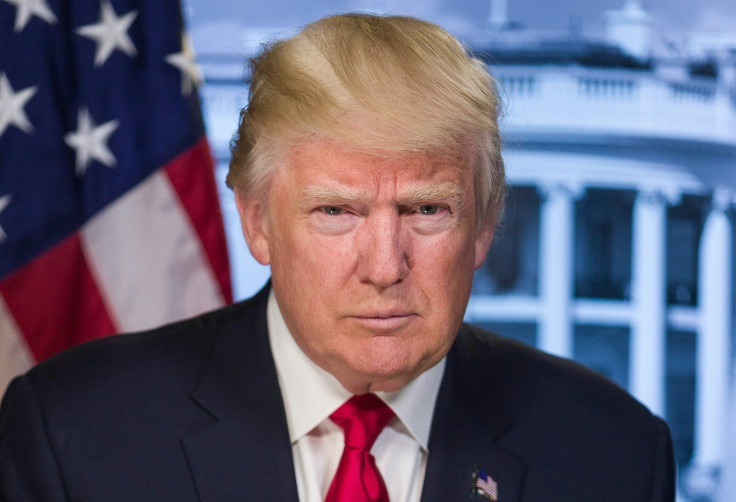
For US President Donald Trump, the confirmation of a second strike deepens the political risk. As of December 2025, the White House must navigate mounting legal scrutiny, growing unease among lawmakers, and a media storm over the ethics and legality of its 'narco-terror' campaign at sea.
A second strike on a drug-smuggling boat may seem like a remote naval operation, but the ramifications could reshape US military policy and accountability for years to come.
© Copyright IBTimes 2026. All rights reserved.
- MOST POPULAR IN World