

Trump's DOJ Is Reportedly Facing Contempt-of-Court Risk Over Alleged Hidden Epstein Files
Department of Justice challenges court order to release unredacted Epstein documents
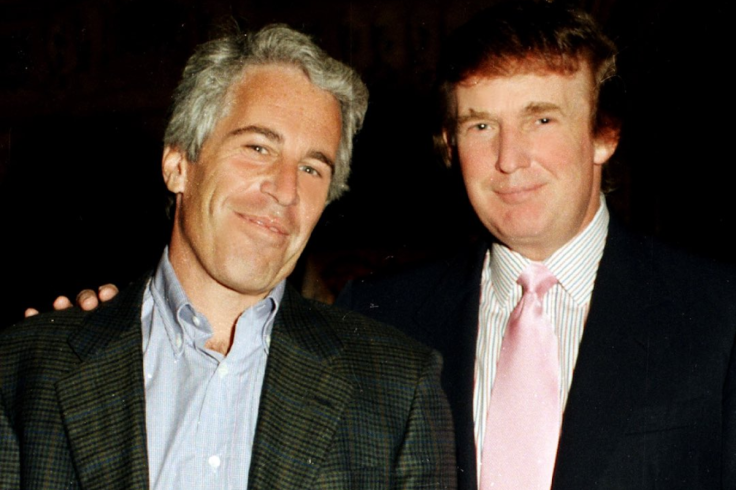
The US Department of Justice is reportedly risking contempt of court as it resists a federal judge's order to hand over handwritten FBI interview notes and explain redactions in the Jeffrey Epstein files.
The latest twist comes in a long-running lawsuit brought by journalist Katie Phang, who has pressed the Trump administration to comply with the Epstein Files Transparency Act.
To recall, US District Judge Emmet Sullivan issued a preliminary injunction in June 2026 directing the DOJ to either produce unredacted versions of disputed documents or formally justify why each redaction should remain.
Sullivan's order also required the department to publish a redaction log in the Federal Register and begin reviewing foreign-language materials potentially covered by the law.
DOJ Defies Judge Sullivan's Order on Epstein Files
Instead of full compliance, Associate Attorney General Stanley Woodward has asked the court not to require a declaration about the Federal Register notice and not to order production of underlying FBI interview notes that formed the basis for four FD-302 reports.
Woodward also requested that, if the judge is inclined to enter such an order, it be stayed.
The stance puts the department on a collision course with Sullivan, who has warned he has held attorneys in contempt before and grown visibly frustrated with repeated delays. At a recent hearing he asked prosecutors, 'You want me to issue another order and say, 'I really mean it this time?'
Politico's Josh Gerstein reported on Thursday that the DOJ 'risks contempt in Epstein Files litigation' because it has not fully complied with Sullivan's order to explain withholdings and provide handwritten notes. Gerstein attached a document from Woodward outlining the department's reasoning.
Handwritten FBI Notes and Redacted Epstein Files Remain Disputed
The dispute centres on nearly 100 handwritten FBI interview notes and a raft of redacted materials, including emails with sender and recipient names blacked out and documents listing potential co-conspirators.
Sullivan's June ruling said Phang's claims that she received no substantive answers from the DOJ were likely to prevail.
On 24 August 2026, the DOJ filed a protective notice of appeal to the DC Circuit, challenging Sullivan's 25 June order.
The filing does not set out detailed legal arguments and narrowly complies with the 60-day window to appeal, effectively pausing the clock while the department tests whether the injunction is immediately appealable.
Phang's lawsuit accuses Attorney General Todd Blanche, in his official capacity, of violating the transparency law by improperly withholding and redacting records. The DOJ maintains it has already produced millions of pages and argues that releasing unredacted versions of many disputed records would conflict with established legal protections.

Complicating matters, reporting has highlighted that unredacted notes from interviews with a survivor known as Jane Doe 4 surfaced online months earlier, even as the DOJ told the court it could not produce them.
Sullivan has given the department tight deadlines to explain where missing pages went and why certain materials remain withheld.
The case has drawn sharp criticism from transparency advocates and renewed scrutiny of the Trump White House's handling of the Epstein files, a subject the president repeatedly promised to resolve during his 2024 campaign. Critics argue the administration's obstruction undermines the very law Congress passed to force disclosure.
The broader release of Epstein records has been underway since December 2024, when millions of pages began flowing out under the 2025 Epstein Files Transparency Act.
The Justice Department says it collected roughly six million pages on Epstein and his 2019 death in pretrial custody, but that only about half would be released, with the rest deemed duplicates, unrelated, or protected by privilege.
Sullivan's latest orders leave the DOJ with a stark choice: roll back redactions and produce the underlying notes, or produce detailed, line-by-line legal justifications for every blacked-out name. With the appeal pending and deadlines looming, the department now walks a tightrope between compliance and contempt.
Nothing is confirmed yet so everything should be taken with a grain of salt. IBTimes UK cannot independently verify these claims, so take everything lightly.
© Copyright IBTimes 2026. All rights reserved.