Judge Demands DOJ Explanation Over Donald Trump Accuser Notes Withheld From Epstein Files Release
The DOJ says victim privacy prevents disclosure, but a federal judge is demanding to know why redactions cannot do the job
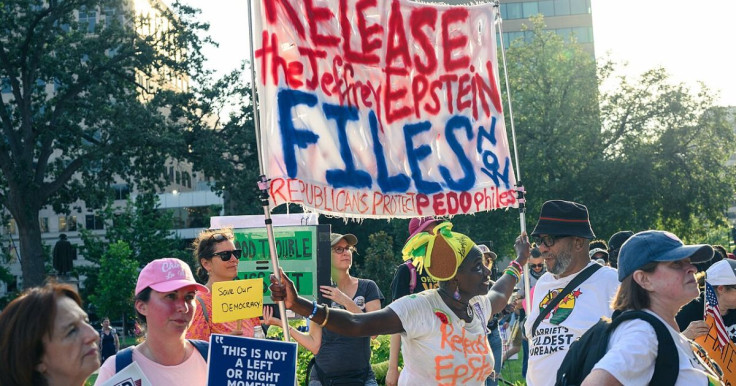
A US federal judge has ordered the Department of Justice to explain why handwritten FBI interview notes about a woman who accused Donald Trump were withheld from the public release of Jeffrey Epstein records, after finding the department in violation of a new transparency law.
US District Judge Emmet Sullivan scheduled a hearing after concluding in June that disputed redactions and withheld material breached the Epstein Files Transparency Act.
Sullivan wrote that 'The Attorney General has conceded that he is in violation of the Act', and ordered the DOJ to disclose the material or explain why it should remain withheld.
Judge Challenges Epstein Files Redactions
The dispute is part of a case filed by attorney and independent journalist Katie Phang, who alleged that the government had improperly redacted or withheld documents from the Epstein files. The immediate issue is whether the DOJ's explanations meet the transparency law's requirements for withholding specific material.
Legal commentator Eliza Orlins outlines Judge Emmet Sullivan's order requiring the DOJ to support its Epstein-files redactions and explain the absence of handwritten FBI notes.
Sullivan said the department had not provided documentation to show that lawyers for some victims or potential victims asked the government to treat individuals as victims for redaction purposes. The DOJ has relied on victim-protection concerns in arguing that certain information should not be released.
The judge also questioned the treatment of handwritten notes from the interview with the Trump accuser. The DOJ has said the notes are 'substantially similar to' publicly released FBI reports based on the same interviews and could expose victim information.
Sullivan noted that the Epstein Files Transparency Act contains no stated exception for records described as duplicative or substantially similar. He also said the department had released similar versions of other documents.
Signed into law in November 2025, the Epstein Files Transparency Act requires the DOJ to publish searchable, downloadable unclassified records relating to Jeffrey Epstein, while allowing limited withholding to protect victims and active federal investigations.
Trump Accuser Notes at Centre of Dispute
Sullivan ordered the DOJ to explain why the handwritten notes could not be manually redacted, or why another method could not allow release while protecting sensitive information.
That order frames the legal question at the hearing: whether the government can retain the notes rather than apply narrower redactions.
The hearing does not decide whether the woman's allegations against Trump are true. The allegations have been described as unsubstantiated, and Trump has denied any wrongdoing.
The DOJ has argued that all its redactions were lawful and asked the court to delay the case by two months. Its lawyers wrote in a court filing: 'The Department has not knowingly violated, nor has it ever acknowledged violating, the EFTA as it continues working to comply with statutory requirements.'
That position differs from Sullivan's description of the Attorney General's concession in his June ruling. The hearing will give the DOJ an opportunity to set out its legal basis for withholding the disputed notes and other material.
What the Hearing Could Decide
The case concerns how the DOJ balances public disclosure requirements with privacy protections in sensitive investigative records. The court's focus is on whether the department has provided adequate, document-specific reasons for its redactions.
The DOJ's Epstein Library says it contains materials responsive to the transparency law and may be updated if further documents are identified for release. It also says handwritten material may be difficult to search electronically and that the volume of records may create a risk that sensitive personal information is inadvertently published.
Sullivan could require the DOJ to offer fuller explanations, use narrower redactions or release additional material, depending on his assessment of the department's arguments. The proceeding does not determine the truth of the allegations recorded in the handwritten notes.
© Copyright IBTimes 2026. All rights reserved.
- Recommended For You