Trump Plane Swap Fallout: Leak Investigation Sparks Subpoenas of Reporters Who Exposed 'Decoy Flight' Scandal
A federal judge accused prosecutors of errors and forced them to drop the demands entirely
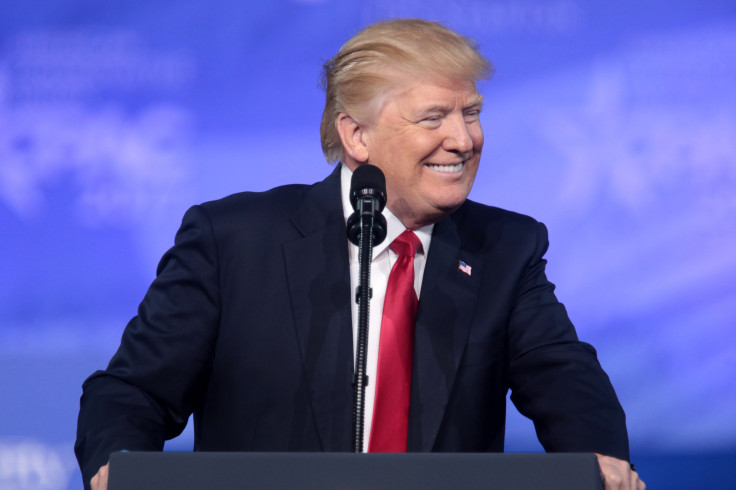
The Justice Department subpoenaed four New York Times reporters over their reporting on security flaws in President Donald Trump's Qatari-gifted Air Force One, then withdrew the demands weeks later after a federal judge in Manhattan accused prosecutors of errors.
The subpoenas targeted Julian Barnes, Eric Lipton, Tyler Pager, and Eric Schmitt, the four journalists bylined on a report that the newer plane lacked antimissile defences carried by the older jet. Federal agents delivered some of the demands to reporters' homes.
The Reporting That Triggered a Federal Leak Probe
Trump left the July NATO summit in Ankara, Turkey, aboard the older Boeing VC-25A rather than the $400 million (£297 million) Qatari-gifted 747-8 he had championed. On Truth Social, he said he chose the legacy jet 'for old time's sake'.
The Times reported, citing officials briefed on the flight planning, that the Secret Service urged the swap as a precaution after fighting with Iran flared again. A follow-up story said the gifted plane lacked defensive countermeasures, including advanced antimissile systems. Those disclosures angered the White House.
Subpoenas Delivered to Reporters' Homes
FBI agents served grand jury subpoenas on 10 July, days after the stories ran. The Times reported that FBI director Kash Patel directed the move, and CNN, citing sources, said officials across the administration were pulled into a sprawling leak hunt and asked to hand over their phones.
Prosecutors also sought reporters' phone records dating to 1 January, months before the coverage began. Lawyers for the paper said that timeline showed investigators were fishing for sources rather than examining any specific leak.
The Justice Department said reporters were not its targets, only 'those leaking classified information'. It had already withdrawn similar subpoenas against Washington Post and Wall Street Journal journalists earlier in 2026. The subpoenas were possible because then-Attorney General Pam Bondi scrapped a Biden-era rule in 2025 that had shielded reporters' records from seizure in leak cases.
A Judge Forces a Retreat
The demands collapsed on 23 July. US District Judge Arun Subramanian pressed prosecutors on why they issued subpoenas before pursuing other steps and warned of possible sanctions over claimed errors in their application. A government lawyer conceded some had been issued in error while 'trying to move quickly'.
The government withdrew the subpoenas, which the judge declared null and void. The Justice Department said its investigation continues.
The Decoy Flight Behind the Fury
The fallout deepened this month. The Washington Post revealed Trump never flew the older jet out of Turkey at all. He boarded it for cameras, slipped out a side door, and was driven in an airport catering truck to a third aircraft, leaving Secretary of State Marco Rubio, Treasury Secretary Scott Bessent, aides, and reporters on the decoy.
The Post later reported the CIA had low confidence in the Israeli tip about an Iranian assassination plot that prompted the operation. Asked why the flight was safe for the press but not for him, Trump said his own plane faced 'greater risk'.
Press advocates called the whole affair an attempt to punish coverage the president found embarrassing. The White House Correspondents' Association has pressed officials for a protocol protecting journalists' safety and independent coverage.
For readers, the episode tests how far a president can go to hide his movements and to pursue those who reveal them.
© Copyright IBTimes 2026. All rights reserved.
- Recommended For You