

Trump Demands Personal Midterm Ads as Charen Calls Him 'Mad King' and GOP Strategists Favour Targeted Spending
Debate rages over Trump's role in shaping the Republican midterm strategy
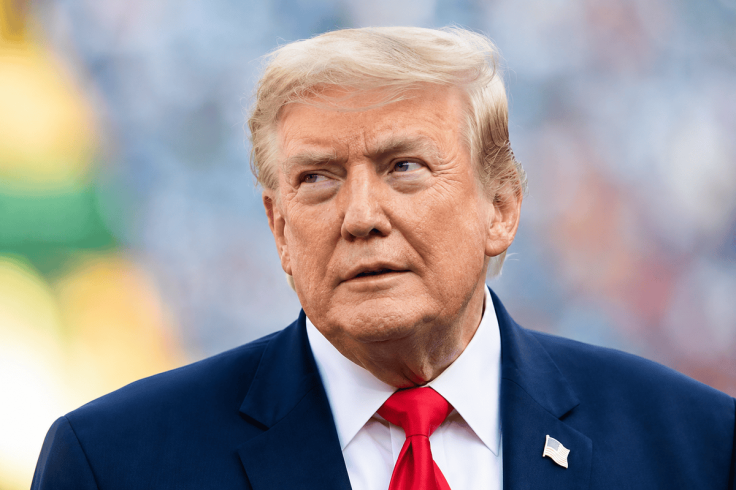
US President Donald Trump is pushing to make himself the focus of the 2026 midterm elections, despite concern among some Republican strategists that his political standing could put vulnerable candidates at greater risk, and has directed his political team to produce television advertisements highlighting his record in office.
The move comes as Republicans prepare to defend their congressional majorities with fewer than 100 days remaining before the November elections.
The strategy has also prompted a striking description from political commentator Mona Charen, who compared Trump's inner circle to courtiers surrounding a fictional 'mad king' who are too afraid to tell him the truth.
Trump Wants the Midterms To Be About Him
Trump's approach reportedly emerged during an Oval Office meeting with senior political advisers about how to deploy MAGA Inc.'s political war chest, which reportedly has roughly $400 million available. Republican strategists are currently debating how best to spend it.
Some are arguing for concentrating resources on individual House and Senate contests, tailoring messages to local candidates and issues rather than turning the election into a national referendum on Trump. The president, however, has rejected that approach.
He reportedly believes Democrats will make the election about his presidency regardless, and therefore wants Republicans to embrace his record rather than attempt to distance individual candidates from him.
The resulting advertising campaign is expected to include what one person described as 'environmental lift' advertisements, designed to promote Trump's achievements nationally while supporting Republican candidates in individual races.
Trump has reportedly instructed his team to use footage of him discussing his record as material for the commercials. MAGA Inc. is nevertheless expected to continue spending heavily on targeted House and Senate races, including through polling, voter modelling and message testing.
GOP Strategists Prefer a More Targeted Approach
The tension highlights a calculation for Republicans. Trump remains one of the party's most powerful political figures and fundraising assets, but his approval ratings have reportedly fallen.
Reports say his economic approval rating has slipped into the 30s in many polls, while voters remain concerned about inflation and whether their financial circumstances have improved.
That has left some Republican candidates in competitive districts wary of making the election entirely about the president. MAGA Inc.'s traditional role will also remain important.
Much of its advertising is expected to focus on individual Democratic candidates, including negative campaign advertisements. The organisation has already begun building teams to analyse polling and voter behaviour in key contests.
Mona Charen Delivers the 'Mad King' Comparison
The debate grew more pointed on The New Republic's 'The Daily Blast with Greg Sargent' podcast, where Charen discussed reports that Trump's advisers told him voters simply do not know enough about his accomplishments.
She compared the situation to a medieval court in which advisers are afraid to tell a ruler that his perception of reality is wrong.
Charen said Trump's advisers appeared to be reassuring him that poor polling was caused by voters failing to recognise his achievements, rather than questioning whether voters actually approved of his policies.
She subsequently described Trump's desire to centre the midterms around himself as evidence of what she called his 'Titanic ego' becoming a problem for Republican candidates. Those remarks are Charen's political assessment, not an established medical or psychological diagnosis of Trump.
Why the Strategy Could Backfire
The danger for Republicans is that putting Trump at the centre of the campaign could give Democrats a national referendum on his presidency.
The current US president is not personally on the ballot in the 2026 midterms, but he has encouraged supporters to behave as though he is. He recently told supporters to 'pretend' that his name was on the ballot and vote accordingly.
That approach could help Republicans mobilise the president's loyal supporters. But it could also energise voters who disapprove of his administration.
With early voting expected to begin in October, the Republican Party faces a decision: whether Trump's political influence remains its greatest electoral asset or becomes a liability in closely fought congressional races.
For now, Trump appears determined to answer that question with a simple message: more Trump. Whether Republican candidates agree could become one of the strategic battles of the 2026 midterms.
© Copyright IBTimes 2026. All rights reserved.