

Trump Says Leakers 'Should Be Shot', Then Says Reporters Are Leakers Too
Trump said a leak disrupted a US operation against Iran as a Pentagon-Justice Department task force targets unauthorized disclosures
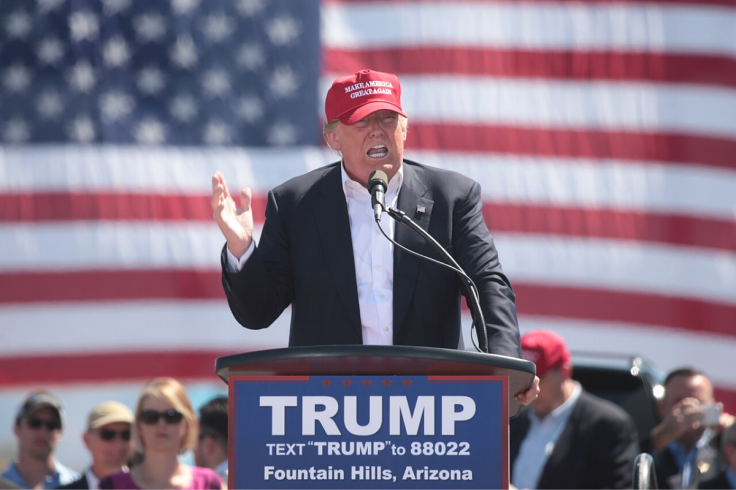
US President Donald Trump said people who disclose sensitive government information 'should be shot' before turning his criticism towards journalists during a campaign rally in Arizona, raising fresh questions about his administration's approach to leaks and press scrutiny.
Speaking in Bullhead City on Wednesday, 14 October, Trump linked his remarks to what he described as the disclosure of military operation timings to news outlets. He also accused reporters of spreading false information and fabricating sources, without providing evidence to substantiate his broader allegations.
Trump Claims Iran Operation Was Compromised by a Leak
Trump said information about the departure and arrival timings of US aircraft had appeared in The New York Times and CNN before a mission targeting Iran's nuclear facilities. 'In my opinion, leakers should be shot,' he told the crowd, adding that people who disclosed the information should face severe punishment.
His remarks appeared to refer to Operation Midnight Hammer, the US strikes against Iranian nuclear facilities in June 2025. Trump claimed the disclosure affected the timing of the operation, saying he had discussed the matter with General Dan Caine before proceeding.
The account remains Trump's version of events. His rally remarks do not independently establish who disclosed the information, whether the named news organisations received classified material from an unauthorised source, or whether the alleged disclosure caused the operational consequences he described.
President Extends His Attack to Journalists
Trump broadened his criticism beyond the people he accused of leaking military information, saying reporters were 'almost as bad as a leaker' because, in his view, they spread false information. 'That makes them a leaker, right, oftentimes without a source,' he said. He later alleged that journalists made up sources and compared them to storytellers.
The comments blurred the distinction between officials who disclose protected government information and journalists who report information obtained from confidential sources. The two activities are not automatically equivalent: whether a disclosure is unlawful depends on the information involved, the circumstances, and applicable law.
Trump did not establish in his remarks that the outlets he named had knowingly published false information or that any particular journalist had committed an offence.
After saying he thinks leakers should be shot, Trump says compares the media to leakers: They leak false information. That makes them a leaker pic.twitter.com/g0P60jeHbs
— Acyn (@Acyn) October 14, 2026
Leak Investigations Put Press Protections in Focus
The remarks come amid a wider administration effort to investigate unauthorised disclosures of sensitive information. On 13 July 2026, Defence Secretary Pete Hegseth announced a joint task force involving the Pentagon and the Department of Justice to identify and prosecute people responsible for such disclosures.
Hegseth said the War Department's Office of General Counsel had been given authority to request records and support from across the department for media leak investigations. The initiative creates a broader policy context for Trump's comments, but it does not establish that the task force is investigating the specific incident he described in Arizona. Nor does its existence prove that a journalist or government employee has violated the law in this case.
The central distinction is between protecting legitimate national security information and determining whether government investigations or public statements improperly target reporting. The rally remarks set out Trump's position on punishment and the press, while the underlying allegations about the Iran operation require independent verification.
© Copyright IBTimes 2026. All rights reserved.