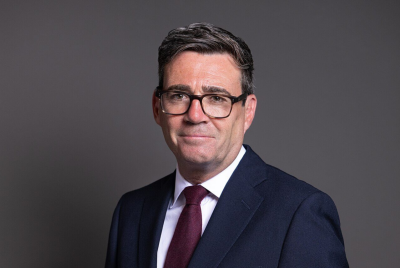
'Inflation Is Too High': Fed Chair Kevin Warsh Fires Warning as Rates Jump and Borrowing Costs Rise
The quarter-point increase is aimed at curbing persistent inflation, while mortgages, credit cards and car loans are expected to become more expensive

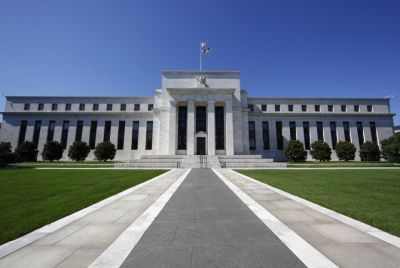
The US Federal Reserve has raised interest rates for the first time since 2023, lifting its benchmark rate by a quarter-point to a target range of 3.75 per cent to 4 per cent, in a move that could add to borrowing costs for millions of American households and businesses.
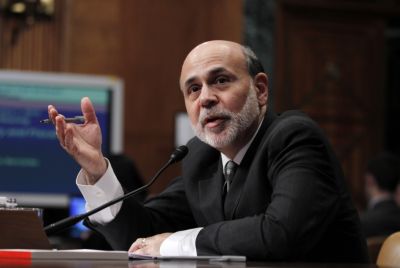
Announcing the decision in Washington, chair Kevin Warsh said: 'Inflation is too high, and has been for too long.' The increase could add to costs for mortgages, credit cards and car loans, although the impact will vary across different types of borrowing.
Warsh, a Trump appointee who had previously been viewed by some investors as potentially favouring lower rates, has recently signalled a stronger focus on inflation. In August, he said: 'We must be confident that underlying inflation is moving to our objective, clearly and at sufficient speed.'
Inflation Pressures Mount
The Fed's preferred inflation gauge showed prices up 3.7 per cent in July from a year earlier, well above the central bank's 2 per cent target. Core inflation, excluding food and energy, stood at 3.3 per cent, while higher energy prices and tariffs have added to inflationary pressures.
The US gasoline index rose 3.9 per cent in August, contributing significantly to the monthly increase in consumer prices, while gasoline prices were up 27.4 per cent from a year earlier.
Tariffs continue to affect prices for imported goods, while strong investment in artificial intelligence and data centres has also added to demand for semiconductors and energy-intensive hardware.
The Federal Open Market Committee voted 12-0 in favour of the hike, a notable shift from July, when three officials had unsuccessfully pushed for tighter policy. Retail sales data released the same day showed spending up 1.2 per cent in August, suggesting continued resilience in consumer spending despite elevated borrowing costs.
Markets had widely expected the move, with investors pricing in a high probability of a hike before the decision. Treasury yields have also risen, with the two-year note closely watched because it is particularly sensitive to expectations for Fed policy.
Borrowers Brace for Higher Costs
Thirty-year fixed mortgage rates have risen, with Freddie Mac's latest weekly average at 6.76 per cent, up from 6.35 per cent a year earlier. Variable-rate credit card and car loan costs could also rise, while savers may benefit from improved returns on deposits and certificates of deposit.
The tightening comes despite sustained pressure from President Trump, who has repeatedly called for lower borrowing costs and clashed with Warsh's predecessor, Jerome Powell, over the pace of rate cuts. The White House has continued to press for lower interest rates, while the Fed has stressed the importance of its independence.
Asked how Trump might react, his top economic adviser, Kevin Hassett, told Fox News: 'I'm sure he's not going to be super happy about it, but he will defend the independence of Kevin Warsh above all.'
Warsh brushed off questions about the White House. 'I've got nothing for you on a discussion with the president, and I'm not a Wall Street newsletter,' he said, adding that Fed independence was 'a two-way street' and that the central bank would 'stay in our lane.'
He declined to give a rate forecast, saying: 'I'm not in the forward guidance business.' The Fed's latest projections put the median federal funds rate at about 4.1 per cent at the end of the year, implying another increase from the current range.
Historical precedent offers another point of comparison. Alan Greenspan raised rates by a quarter point in March 1997, after which the Fed held rates as the Asian financial crisis developed before cutting rates three times in 1998.
© Copyright IBTimes 2026. All rights reserved.
- Recommended For You