

US-Iran Nuclear Talks Collapse: Donald Trump's Next Move as Wider War Threat Looms
Diplomacy falters as US and Iran fail to reach agreement in Geneva, leaving future negotiations uncertain.
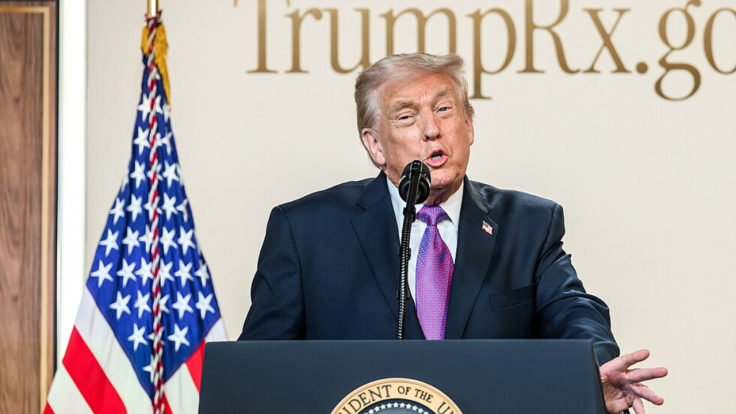
The latest round of nuclear talks between the United States and Iran has ended without a deal, leaving both governments facing an uneasy pause and bracing for what comes next. With diplomacy stalled once again, the risk of a broader conflict now looms over Washington and Tehran.
Officials met in Geneva this week hoping to narrow deep divisions over Iran's nuclear programme. Iran's Foreign Minister and chief nuclear negotiator Abbas Araghchi spoke of 'good progress' during the discussions. But the delegations left without a breakthrough and agreed only to reconvene for a technical meeting in Vienna next week.
— Seyed Abbas Araghchi (@araghchi) February 26, 2026
The United States had publicly presented the negotiations as evidence that diplomacy still had room to work and succeed. But that message now looks strained as President Donald Trump weighs his next step and speculations about possible military action continue to intensify.
Diplomacy First Under Strain
The White House had signalled that negotiations were its preferred route, even as tensions escalated. According to CNN, Trump has been offered several options on Iran, including reviving negotiations to authorising military strikes.
The choice to prioritise diplomacy was meant to show restraint. It also reflected a hard truth concerning previous efforts to stop Iran's nuclear advances through force have failed to deliver lasting results.
The possibility of attack lingered over the final hours of negotiations, The Guardian reported. That sense of looming force made compromise more difficult and deepened mistrust on both sides.
For many ordinary people across the region, the failed talks feels painfully familiar. Each collapsed round of talks revives memories of past crises and feeds fears that a miscalculation could ignite open conflict.
The Legacy of Past Strikes
Arguments over what approach works best are nothing new. The United States has targeted Iranian nuclear facilities before, insisting such measures were needed to curb improvement.
Unfortunately, those strikes did not bring the programme to an end. Despite Trump's claim last year that Iran's nuclear capability had been 'obliterated', enhancement activities have continued.
The gap between political rhetoric and developments on the ground now draws renewed scrutiny. Critics argue that bombing sites cannot erase scientific knowledge or rebuild shattered trust.
Advocates of a harder line respond that Iran reacts only to sustained pressure. For them, the collapse of the latest talks strengthens their position inside Washington.
Conflicting Narratives on Intent
At the centre of the dispute lies a simple but explosive question. Is Iran seeking a nuclear weapon?
Trump appears convinced that Tehran ultimately wants the bomb. That conviction shapes his thinking as he considers his options.
Iran's Supreme Leader Ayatollah Ali Khamenei has repeatedly denied that accusation. A US intelligence community assessment last year found no clear evidence that Iran had decided to create a weapon, BBC News reported.
'Iran will under no circumstances ever develop a nuclear weapon,' Araghchi reiterated on X.
2/4 Our fundamental convictions are crystal clear: Iran will under no circumstances ever develop a nuclear weapon; neither will we Iranians ever forgo our right to harness the dividends of peaceful nuclear technology for our people.
— Seyed Abbas Araghchi (@araghchi) February 24, 2026
Those conflicting narratives leave room for doubt. They also leave space for political interpretation, especially in an election season landscape.
An Unclear Roadmap After a Long Address
US President Donald Trump recently delivered his longest State of the Union address. Iran was featured in his speech, but no concrete plans regarding the nuclear issues were mentioned. Instead, the American president restated his belief that Iran represents a serious threat.
He offered fewer clues about whether he would intensify talks or shift towards force. That uncertainty matters as European allies are watching closely, as well as other governments across the Gulf.
Within the United States, voters could soon feel the impact through energy prices and heightened security concerns if tensions escalate further.
Tehran Pushes Back
Meanwhile, Tehran has responded cautiously but firmly to the stalled negotiations. Iranian officials showed they would not negotiate under threat, Al Jazeera reported.
State media depicted the outcome as further evidence that Washington cannot be trusted and remains unreliable. Iranian leaders, on the other hand, warned against any military blunder.
The collapse has hardened positions on both sides. It has also increased the stakes for any future engagement.
For now, diplomacy has not totally collapsed, but it has definitely faltered. With no agreement on the table, the region finds itself at a tense crossroads where a single decision in Washington could tip the balance from uneasy calm to open confrontation.
© Copyright IBTimes 2026. All rights reserved.