

European Allies Snubs Donald Trump's Board of Peace as Gaza Ceasefire Hangs in Balance
Absence of key European nations at US-led peace meeting raises questions about Western unity.
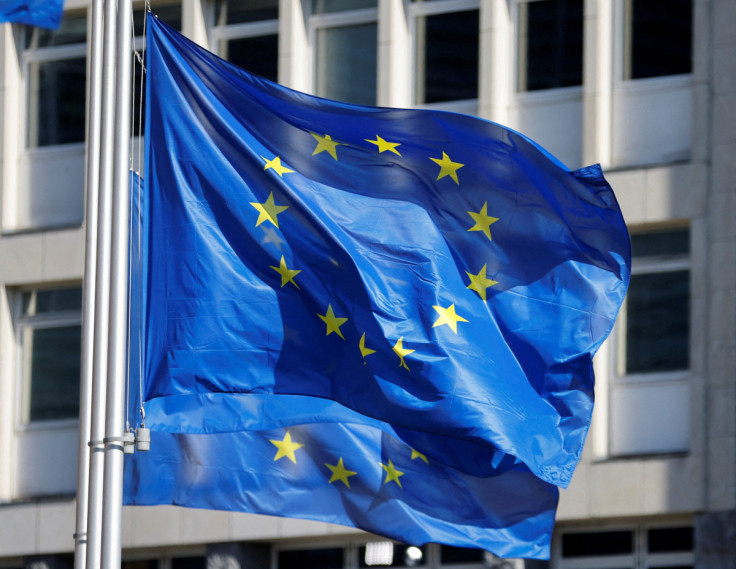
Several of the United States' closest European allies have opted not to attend the first meeting of President Donald Trump's newly formed Board of Peace in Washington, a decision that has quietly underscored unease at a particularly fragile point in the Gaza ceasefire.
Their absence has drawn attention not because of any public confrontation, but because of what it may suggest: that Western unity, often presented as solid, may be showing strain behind the scenes.
Officials at the White House confirmed that the meeting would proceed as planned, even without senior representation from some major European governments. The Board of Peace is intended to bring together political and diplomatic figures to consider what comes next in Gaza after months of devastating conflict and a ceasefire that remains uncertain.
Still, the choice by key European capitals to stay away has not gone unnoticed. Diplomats and analysts say the hesitation reflects deeper concerns, particularly about the timing of such a gathering while the ceasefire remains delicate and easily unsettled.
Why Europe Stayed Away
Leaders within the European Union have avoided openly criticising the initiative. Instead, they have emphasised the importance of working through established diplomatic channels, particularly those involving the United Nations.
According to The Guardian, European officials remain focused on reinforcing the ceasefire framework already in place. There is concern that introducing a separate, high-profile US-led forum could complicate sensitive negotiations that have taken months to build.
Some diplomats worry that the new Board of Peace risks diverting attention from immediate priorities, including hostage negotiations, humanitarian access and security arrangements. European governments have invested significant political capital in silent, behind-the-scenes diplomacy, and there is reluctance to embrace a new platform whose precise role and influence remain uncertain.
Symbolism also matters. Attending a major Washington-led meeting without broad agreement among allies could create the impression of division, something many European leaders are keen to avoid at such a sensitive moment.
Privately, officials fear that even subtle signs of disagreement among Western partners could weaken their collective influence. The ceasefire itself remains under strain, and any perception of disunity could embolden more hardline positions among the parties directly involved.
Trump's Optimism Before the Summit
Despite the hesitation from Europe, US President Donald Trump has presented the initiative in positive terms. He described the Board of Peace as a practical and necessary step towards maintaining stability and preventing further cycles of violence.
The 79-year-old American president has framed the meeting as forward-looking, not a replacement for existing diplomatic efforts. It's an attempt to strengthen them with new ideas and broader engagement, NBC News reported.
Supporters of the initiative argue that fresh approaches may be needed after repeated efforts have failed to deliver lasting peace. They believe the Board could open new channels and encourage wider regional involvement.
Critics, however, remain sceptical. Some question whether the new forum will produce meaningful outcomes or simply add complexity to an already crowded diplomatic process.
For civilians in Gaza and Israel, the implications go far beyond diplomatic protocol. The current truce has allowed desperately needed aid to reach communities that have endured months of violence and deprivation. Yet the calm is widely understood to be temporary, sustained more by cautious hope than by firm guarantees.
For those going through the consequences of the conflict, the stakes are immediate and deeply personal. Aid deliveries, rebuilding efforts and basic security all depend on steady diplomatic progress. Even small disruptions in negotiations can have real and lasting effects on daily life.
Iran Warning Adds Tension
As preparations for the Washington meeting continued, attention was also drawn to rising tensions involving Iran. The White House issued a clear warning, urging Tehran to make what officials described as a wise decision regarding possible engagement with the United States.
The message came amid reports that Trump is considering new military options, a development that has heightened anxiety across the region. According to BBC News, the possibility of renewed confrontation has added yet another layer of uncertainty to an already fragile situation.
US officials have long viewed Iran as a vital factor in the broader security dynamics surrounding Gaza. The administration's tougher tone suggests that diplomatic outreach and military deterrence are both being kept on the table.
European leaders are watching these developments closely. Many worry that any escalation involving Iran could quickly spill over, undermining the limited progress achieved so far and destabilising the ceasefire.
For now, the Board of Peace will meet without some of America's closest allies present. Whether their absence turns out to be a minor footnote or a sign of deeper divisions may depend on what follows, both in Gaza, where the ceasefire hangs in the balance, and in the wider region, where tensions continue to simmer just beneath the surface.
© Copyright IBTimes 2026. All rights reserved.