

John Kennedy Warns Iran's Supreme Leader Wants to 'Drink Our Blood' as Trump's Nuclear Deadline Looms
Senator Kennedy expresses deep mistrust of Iran's intentions during ongoing nuclear negotiations.
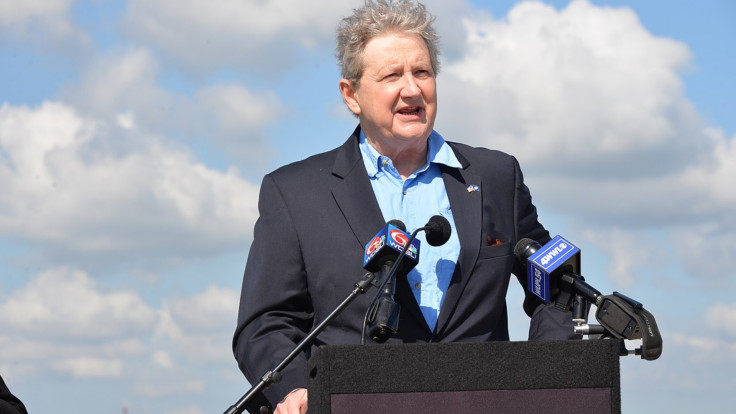
A senior US senator sounded a very strong warning about Iran's Supreme Leader, saying he thinks the leader wants to harm Americans and their allies.
Senator John Kennedy used striking language to express deep mistrust of Iran's intentions as nuclear negotiations with Tehran continue without a deal. Earlier this month, President Donald Trump has given Iran roughly 10–15 days to reach an agreement that would limit its nuclear programme, or face possible military action.
Meanwhile, the United States has increased its military presence in the Middle East, signalling the seriousness of the situation. But diplomats from both countries are still talking in hopes of avoiding conflict.
Kennedy's Message on Iran's Intentions
Senator Kennedy spoke on the Senate floor and said he believed Iran's Supreme Leader, Ayatollah Ali Khamenei, does not just disagree with the US but actively wants to harm Americans and others who disagree with his views.
According to FOX News, Kennedy used the phrase 'drink our blood out of a boot' to express his belief that Iran's leadership is willing to go as far as violence against the United States and its allies.
Kennedy's choice of words was meant to show how deeply he distrusts Iran's intentions.
He suggested that past behaviour made him sceptical about trusting the Supreme Leader's public statements without strong controls in any nuclear deal.
What Trump Is Demanding in Talks
Trump has said he wants a meaningful nuclear agreement with Iran that would prevent it from developing a weapon.
He has set a short time frame for Iran to agree to terms that the US considers acceptable, or risk consequences. Trump has said he prefers a peaceful deal reached through diplomacy. But he also warned that the US might use military force if Tehran fails to meet key demands.
Discussions are described as serious and intense, though no final agreement has been reached yet. Both sides agree that talks will continue in the coming days.
Diplomacy Continues Amid Military Buildup
While diplomats talk, the US has sent a large number of warships and aircraft to the Middle East.
This includes two aircraft carriers and more than 100 fighter jets, according to officials. This military buildup is a clear signal that Washington is preparing for the possibility that negotiations fail, even though it has not declared a final decision to strike.
Iran, for its part, says it wants a deal but insists on certain conditions. This includes the right to continue some nuclear activity and sanctions relief. This earned a reply from Trump who said, 'I will never allow the world's number one sponsor of terror ... to have a nuclear weapon.'
Iranian negotiators have described recent talks as focused and intense, but they acknowledge disagreements still exist.
Mixed Signals From Both Sides
Iran has offered to make some concessions in its nuclear programme, such as sending some highly enriched uranium abroad and continuing talks with international inspectors.
However, Tehran has not agreed to all US demands, and officials continue to argue over issues such as missile development and sanctions relief.
Inside the United States, lawmakers from both parties are debating how the country should respond if diplomacy fails. Some want stronger controls on any deal, while others are pushing for Congress to have a formal vote before any military action can be taken.
At the same time, national security leaders continue to stress that the main goal is to ensure Iran never develops a nuclear weapon, and any agreement must have clear and enforceable limits.
© Copyright IBTimes 2026. All rights reserved.