

Netanyahu News: Trump Told Israeli Leader He'd Endorse Iran Missile Strikes, Insider Reports
Private discussions reveal potential US backing for Israeli action against Iran's missile program.
The corridors of diplomacy are rarely straightforward. Deals are whispered behind closed doors, assurances are given in private, and intentions are often revealed only months later.
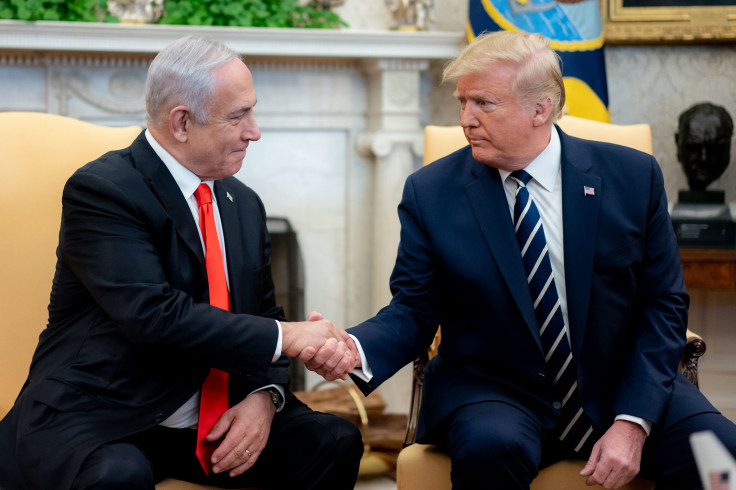
This week, reporting surfaced suggesting that former US President Donald Trump told Israeli Prime Minister Benjamin Netanyahu in December that he would support Israel if it chose to strike Iran's ballistic missile programme.
The conversation reportedly took place privately at Mr. Trump's Mar‑a‑Lago estate in Florida, sources familiar with the discussion told Reuters.
According to these sources, Mr. Trump's promise was linked to the outcome of ongoing US‑Iran diplomatic negotiations. He indicated that American backing could be available if talks with Iran failed to prevent potential threats from the country's missile programme.
No official document or public announcement has confirmed these details, leaving the conversation largely in the realm of private assurances.
Context of US‑Iran Diplomatic Talks
The report comes as nuclear negotiations between the United States and Iran continue in Geneva, with Oman acting as mediator. The discussions focus on limiting Iran's nuclear activities and reducing tensions in the region. President Trump has publicly emphasised the importance of diplomacy, though he has also stated that all options remain on the table.
So far, no formal agreement has been reached. Both countries continue to stress the need for ongoing dialogue, and the negotiations aim to prevent escalation while addressing Iran's nuclear programme. Military planning and diplomatic efforts have proceeded in parallel, highlighting the delicate balance in the region.
Details From US and Israeli Reporting
The meeting between Mr. Trump and Mr. Netanyahu was reportedly one of several high-level discussions about Iran's nuclear and missile programmes.
Sources indicate that parts of the US military and intelligence communities have considered how the United States might assist Israel if such strikes were carried out.
Potential measures reportedly include aerial refuelling for Israeli aircraft and the diplomatic arrangements required for overflight permissions from neighbouring countries.
Some neighbouring states have publicly stated they would not allow their airspace to be used for potential operations. These discussions reflect contingency planning rather than active military engagement. Israel's assessment of Iran's missile capabilities remains a central factor in regional security considerations.
Regional and Strategic Backdrop
Israel has long regarded Iran's ballistic missile programme as a serious threat. Defence officials have previously stated that action may be necessary if Iran's capabilities cross certain thresholds. These concerns have been communicated to US authorities as part of ongoing security cooperation.
In June 2025, Iranian missiles were fired at targets in Israel following Israeli strikes on Iranian facilities earlier in the year. The incidents underscore the longstanding tensions between the two countries. Both sides continue to monitor each other's military capabilities closely, reinforcing the strategic sensitivity of the region.
Official Positions and Ongoing Talks
Both the United States and Israel have publicly stressed that diplomacy with Iran remains a priority. At the same time, they retain the option of military action if necessary. President Trump has emphasised ongoing talks while maintaining a US military presence in the region.
Mr. Netanyahu has said any agreement with Iran must address both nuclear enrichment and missile development. He has underlined that Israel's security interests must be considered in any diplomatic resolution.
Both leaders continue to highlight the need for ongoing discussions with Iran, keeping the situation under observation.
What Is Publicly Known
The confirmed facts are limited but clear. Mr. Trump reportedly told Mr. Netanyahu he would support Israeli strikes on Iran's ballistic missile programme if diplomatic negotiations fail.
US administration officials have reportedly discussed ways the United States might facilitate such operations. Both leaders continue to advocate for diplomacy, even as regional security concerns remain significant.
For now, the story is confined to private conversations and public statements. No military action has been taken. What has emerged is a window into high-level discussions that, while unseen by most, carry significant implications for the delicate balance of power in the Middle East.
© Copyright IBTimes 2026. All rights reserved.