

US-Iran Conflict Exposes EU's Struggle to Unite Over Response to Strikes, Leaving Europe Vulnerable
The Iran conflict tests Europe's unity and security strategies, exposing divisions within the EU.
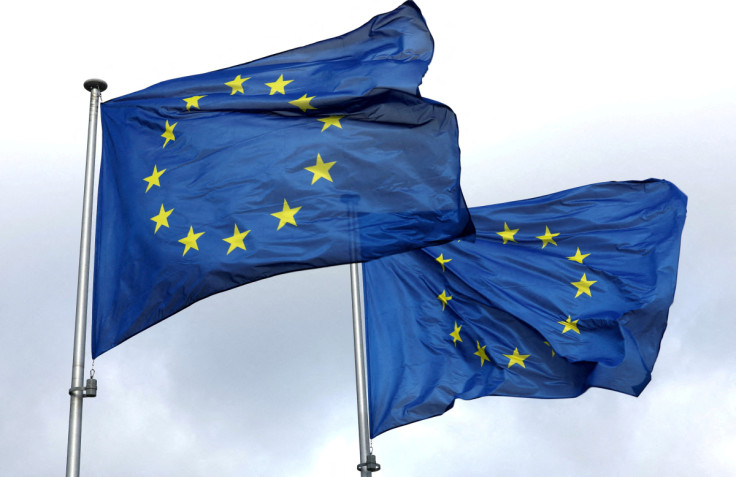
As the Iran conflict widens into a regional war that now stretches beyond the Middle East, Europe is watching with growing unease. The reaction across the continent, however, is far from clear or unified.
While the United States and Israel deepen their military confrontation with Tehran, European governments are still struggling to show a common position. The crisis has once again exposed long standing cracks in the European Union's defence policy. It has also reopened an old and uncomfortable debate about nuclear deterrence across the continent.
In many European capitals, the conversation is no longer limited to diplomacy. Security concerns, intelligence warnings and political tensions are shaping how governments prepare for a conflict that could easily reach far beyond the Middle East.
Europe Reacts but Struggles to Speak With One Voice
European leaders were quick to voice concern after tensions between the United States, Israel and Iran sharply escalated. Yet the responses coming from different capitals have not looked the same.
Most governments across Europe have called for restraint in public while quietly preparing for possible consequences if the conflict spreads further. There is real worry that instability in the Middle East could disrupt energy markets and create new security risks inside Europe itself.
The divisions are especially visible within the European Union. As Al Jazeera reported, the bloc has found it difficult to settle on a shared position as member states argue over how closely Europe should align with Washington's strategy.
Several Eastern European countries have increasingly pushed the case for stronger mutual defence commitments. Others remain more cautious and continue to favour diplomatic engagement with Tehran.
The disagreement points to a deeper issue. Europe still does not have a fully integrated military structure that can respond quickly and decisively to major international crises.
Security Warnings Raise Alarm in Germany
As politicians continue to debate strategy, intelligence agencies are concentrating on threats that may appear much closer to home.
German officials recently warned about the possibility that Iranian sleeper cells could be operating across Europe. The concern reportedly grew after a fatwa was issued in Tehran following the death of Iranian Supreme Leader Ayatollah Ali Khamenei.
The religious ruling was attributed to Grand Ayatollah Nasser Makarem Shirazi and called for action against what were described as enemies of Iran.
Extremism expert Heiko Heinisch told Euronews that such rhetoric can act as a powerful trigger for individuals or networks that are already radicalised and active in Europe. He warned that the political atmosphere created by the conflict could motivate attacks far from the Middle East.
Terrorism researcher Nicolas Stockhammer expressed similar concern. He said the fatwa could become an accelerant for violence if extremist groups interpret it as encouragement to act inside Western countries.
For European security agencies, the threat is no longer purely geopolitical. It is becoming increasingly domestic.
France and Poland Push Nuclear Debate Back Into Focus
The escalating Iran conflict has also revived a sensitive debate about nuclear deterrence within Europe.
French President Emmanuel Macron recently outlined a revised nuclear stance that would bring selected European allies closer to France's deterrence framework. The proposal suggests Paris wants to take on a stronger role in Europe's long term security planning.
Just a day later, Poland openly raised the question of greater autonomy in nuclear deterrence. According to EU Today, Prime Minister Donald Tusk said Europe must rethink its defence posture in a world where traditional guarantees may no longer be enough.
Tusk argued that Poland cannot depend entirely on existing security arrangements and should explore options that strengthen its own deterrence capability.
His remarks show how the Iran crisis is shaping strategic thinking far beyond the Middle East.
Allies Offer Support but With Caution
Responses from Western partners show that even close allies are not completely aligned on the Iran conflict.
In the United Kingdom, policymakers have expressed concern about the escalation while avoiding a strong endorsement of the military campaign. According to the Atlantic Council, many British officials believe diplomatic efforts with Tehran collapsed too quickly. That view has raised fears the crisis could still widen.
Canada has taken a similarly careful approach. Prime Minister Mark Carney said Ottawa supports efforts to stop Iran from obtaining nuclear weapons but warned the situation reflects a broader breakdown in global security. Carney called for restraint and renewed diplomacy while stressing that Canada is not directly involved in the conflict.
Ukraine's position is more complicated. Some officials in Kyiv fear that the Middle East crisis could draw Western attention and military support away from Ukraine as it continues to resist Russia's invasion.
Spain has also shown signs of unease. Prime Minister Pedro Sánchez has faced growing pressure at home to distance Madrid from the military escalation. The debate reflects wider divisions across Europe about how closely governments should align with Donald Trump's administration.
Global Powers and Unlikely Allies Step In
Outside Europe and North America, the crisis has produced sharply different political reactions.
Argentina has emerged as one of the most outspoken supporters of the United States and Israeli attacks. President Javier Milei has strongly backed the strikes against Iran and described Tehran as a threat to global stability.
Russia has taken the opposite position. Moscow criticised the military campaign and used the moment to highlight divisions among Western governments.
China has adopted a more cautious tone. Beijing has called for restraint and urged all sides to return to negotiations.
Reports suggest that Russia and China are watching Europe's divided reactions closely. How European governments react could shape their influence during the next phase of the crisis.
A Crisis Testing Europe's Future
For Europe, the Iran conflict is no longer simply a foreign policy problem.
It has pushed the EU continent to face difficult questions about security, unity and the limits of defence cooperation.
Calls for stronger military integration are becoming louder, yet the political will to move together still looks uncertain.
As tensions continue to rise across several global fronts, Europe is facing a glaring reality. Its ability to respond to crises abroad may ultimately depend on whether it can overcome the divisions that remain at home.
© Copyright IBTimes 2026. All rights reserved.