

Trump Rules Out Iran Strikes Before Midterms as Pentagon Prepares Plans for New Attacks
Israeli and US jets have rehearsed over Iraq, but the president vetoed a return to war once already this month
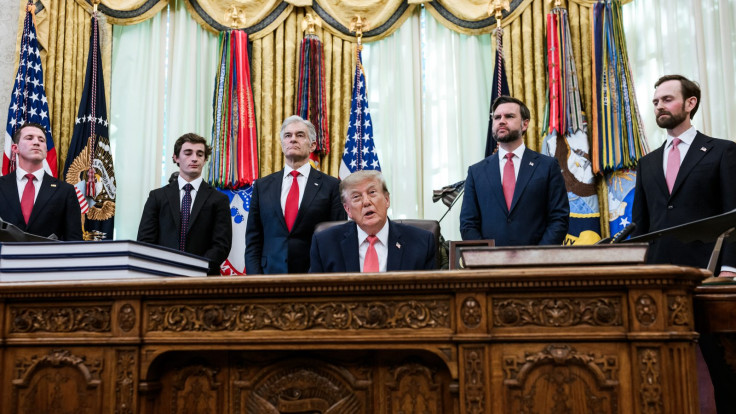
Donald Trump has promised not to strike Iran before the US midterm elections on 3 November. Yet the Pentagon and Israel's military have already drawn up plans for a short, intense round of attacks after the vote. The New York Times reported the plans on Wednesday, citing US officials.
Trump has yet to sign off. Iran is already threatening to hit US bases across the region. The paper noted that the first wave of strikes, from February to April, drove up energy prices and inflation worldwide. It also strained the Pentagon's missile interceptor stockpile.
What the Strike Plans Include
US and Israeli aircraft have rehearsed strikes over Iraq, and likely targets include Iran's energy facilities, nuclear sites, and missile and drone stockpiles. One option for the nuclear programme is a strike on Pickaxe Mountain, an underground site Iranians call Kooh Kolang. Defense Secretary Pete Hegseth discussed new strikes with Israeli Prime Minister Benjamin Netanyahu during a visit to Israel this week. The US build-up is due to be complete by early November.
'We will not be attacking Iran at any time prior to the Midterm Elections,' Trump wrote on 8 October. He has repeatedly vetoed a return to major combat this year. In one case this month, both militaries were close to attacking, according to the paper. He called that one off too. Some officials told the paper the targeting would avoid refineries, as Trump wants to stop petrol prices rising further.
How Iran Has Responded
Iran's Revolutionary Guards warned on Thursday that the conflict would spread to US bases if US forces keep escorting ships through the Strait of Hormuz. 'This is a serious warning,' the Guards said. They also claimed hits on four Gulf ships. The pro-Trump X account Constitution X cheered the escorts, urging followers to share its post 'if you want the world to see who's actually in charge'. It appears below.
🚨 BREAKING: IRAN JUST THREATENED TO STRIKE U.S. BASES… AND THE NAVY SAID “WATCH THIS” 🇺🇸🔥
— CONSTITUTION X 🇺🇸 (@ConstitustionX) October 22, 2026
While the IRGC warns that any more U.S. escorts through the Strait of Hormuz will “extend the conflict to American bases,” our warships are STILL pushing commercial vessels through the… pic.twitter.com/qazY3UJoBi
Iranian officials have also warned a new war would bring wider targets. These include data centres and undersea internet cables. US Central Command said its forces 'remain vigilant and ready to protect American personnel and interests across the region'. Its blockade has prevented at least $25 billion (about £18.8 billion) in Iranian crude exports since July, it said. Dana Stroul, a former senior Pentagon official, questions whether more war would shift Iran's position.
What Trump Says Now
Trump admitted on Thursday the war carries a political cost. 'There's a price to pay, which I knew immediately when I did it,' he told reporters. He said the US may hit Iran 'a little bit further'. A Reuters/Ipsos poll published earlier this month found 60% of Americans disapprove of his handling of Iran.
Trump also claimed on Truth Social that more oil now passes through Hormuz than before the war. The Associated Press reported this month that overall traffic there remained well below pre-war levels. Israel also votes on Tuesday 27 October. If Netanyahu loses, he would lead a caretaker government, which experts told The New York Times would make launching a war hard.
© Copyright IBTimes 2026. All rights reserved.