

Dems Move to Expose Epstein's Wall Street Ties; What Existing Files Reveal About His Banking Network
JPMorgan, Deutsche Bank, Goldman Sachs, and HSBC feature in records detailing Jeffrey Epstein's financial relationships

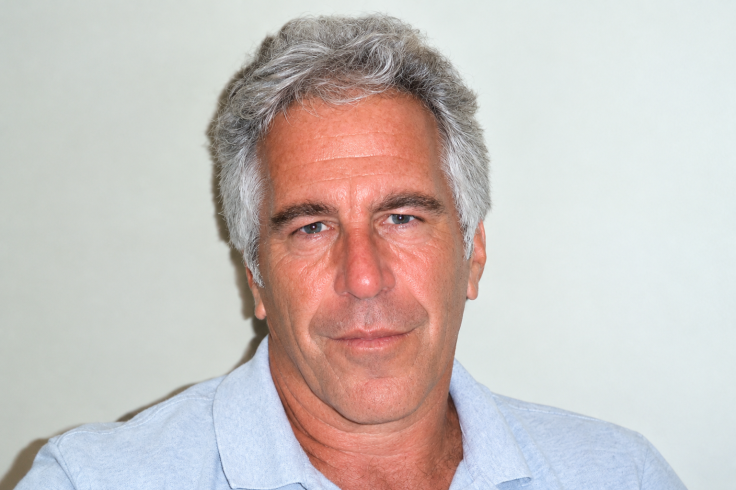
US lawmakers are seeking answers about how Jeffrey Epstein maintained access to major financial institutions. On 15 October 2026, Senator Elizabeth Warren and Representative Robert Garcia introduced the Epstein Wall Street Records Act alongside bipartisan lawmakers, including Republican Representative Thomas Massie.
The bill would require financial regulators to disclose relevant records, investigate potential violations involving Epstein-connected banks and executives, and pursue penalties where legally justified. Evidence of possible criminal violations could be referred to the Department of Justice.
The announcement followed Warren's release of responses from major banks and regulators. She described the responses as unsatisfactory, while the Senate Banking Committee said regulators had been unable to confirm whether investigations had been opened into the institutions and executives concerned. Goldman Sachs did not respond to Warren and Representative Raja Krishnamoorthi's latest letter, according to the committee. The proposal builds on years of litigation and regulatory scrutiny of Epstein's financial relationships.
JPMorgan Chase: A 15-Year Banking Relationship
JPMorgan Chase served Epstein from 1998 until 2013. Court filings alleged that the bank overlooked warning signs and provided financial services that helped sustain his sexual abuse and trafficking operation.
In 2023, JPMorgan agreed to pay $290 million to settle a class-action lawsuit brought by Epstein's survivors. It separately agreed to pay $75 million to settle a lawsuit brought by the US Virgin Islands. Both settlements resolved civil claims without a trial establishing the bank's liability. The litigation raised questions about transaction monitoring and internal oversight, particularly because the bank continued serving Epstein after his 2008 conviction for soliciting prostitution from a minor.
Deutsche Bank: A $150 Million Penalty
Deutsche Bank became Epstein's client in August 2013 and began terminating the relationship in December 2018. In July 2020, New York's Department of Financial Services imposed a $150 million penalty after finding serious shortcomings in the bank's monitoring of Epstein's accounts. The regulator identified repeated cash withdrawals and payments to people publicly alleged to be his co-conspirators.
Deutsche Bank also agreed to pay $75 million to settle a lawsuit brought by Epstein's survivors in 2023. The regulatory findings established compliance failures but did not prove that every employee or executive knew about Epstein's crimes.
Goldman Sachs and HSBC: Additional Accounts
Court documents unsealed in November 2025 revealed that Epstein had an account with Goldman Sachs and three accounts with HSBC's private bank in Switzerland. The information appeared in a suspicious activity report JPMorgan filed with the US Treasury's Financial Crimes Enforcement Network after Epstein's death. The report did not disclose account balances or the full details of his dealings with the institutions.
Goldman Sachs said it had ended its relationship with Epstein and transferred his assets out of the firm in 2010. HSBC declined to comment, according to Reuters. The existence of these accounts does not establish that either bank knowingly facilitated Epstein's crimes. Further evidence would be needed to determine what the institutions knew and how they handled potential warning signs.
Bank of America and Compliance Questions
A Senate Finance Committee investigation identified what it described as significant evidence that JPMorgan Chase, Deutsche Bank, and Bank of America had violated federal anti-money laundering laws by failing to screen and report suspicious Epstein-related transactions in a timely manner. These are congressional investigative findings, not criminal convictions against the banks or their executives. They raise questions about whether institutions met their reporting obligations and acted appropriately on internal warnings.
Jes Staley and Executive Accountability
The records also revealed extensive contact between Epstein and Jes Staley, the former head of JPMorgan's private bank and later chief executive of Barclays. Staley has denied knowing about or participating in Epstein's sexual abuse and trafficking crimes.
In 2023, the UK Financial Conduct Authority banned Staley from the financial services industry after finding that he had misled the regulator about his relationship with Epstein. Staley challenged the decision but lost his appeal. The findings concerned his conduct towards the regulator and did not automatically establish that Barclays knowingly facilitated Epstein's crimes. Warren has also criticised Barclays' responses to questions about the relationship.
What the Proposed Bill Could Change
The Epstein Wall Street Records Act would require several federal financial regulators, including the Federal Reserve, Securities and Exchange Commission, and Office of the Comptroller of the Currency, to disclose relevant supervisory records to Congress and the public. It would also require investigations into potential banking, securities, and illicit financing violations involving Epstein-connected institutions and executives. Possible consequences include civil penalties, industry bans, and criminal referrals where evidence warrants them.
The bill must pass Congress before its proposed requirements can take effect. Existing records document Epstein's relationships with major banks, regulatory failures, and civil settlements. However, they do not establish that every institution knowingly facilitated his crimes or that every executive connected to him knew about his abuse. The legislation seeks to establish what banks knew, how they responded to warning signs, and whether further evidence could establish individual responsibility.
© Copyright IBTimes 2026. All rights reserved.