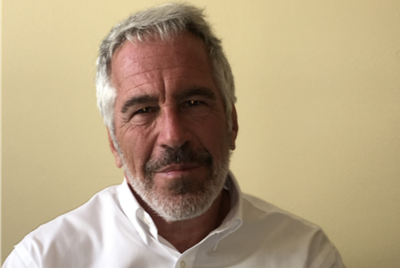
Epstein Files Now a Massive NYC Exhibit: Available in Trump-Epstein Memorial Reading Room for Research Purposes
A New York gallery transforms Epstein's scandal into a physical archive, sparking public outrage and calls for accountability.
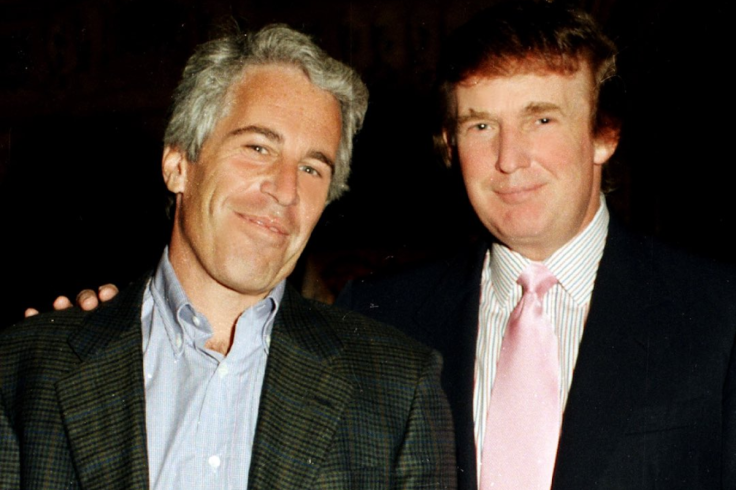
A temporary gallery in Lower Manhattan has turned one of America's darkest criminal scandals into a physical monument of paper, outrage and unresolved questions. Inside a modest Tribeca space, millions of pages tied to the investigation of Jeffrey Epstein now sit stacked across shelves in what organisers have deliberately titled 'The Donald J. Trump and Jeffrey Epstein Memorial Reading Room.'
The exhibition opened quietly on Reade Street, just blocks from the federal jail where Epstein died in 2019 while awaiting trial on sex trafficking charges involving minors. Yet the project itself is anything but restrained. More than 3.5 million Department of Justice documents have been printed, bound into 3,437 thick volumes and arranged like an archive of institutional failure.
Together, organisers say, the files weigh more than eight tonnes.
Turning Digital Horror Into Physical Evidence
The project was created by the Institute for Primary Facts, a transparency-focused nonprofit founded by entrepreneur David Garrett. Garrett argues that the scale of the Epstein files becomes emotionally flattened online, swallowed by the endless churn of social media feeds and algorithmic distraction.
'You lose context,' Garrett said in interviews about the exhibition.
Walking through the space, visitors encounter tall shelves cordoned behind velvet ropes, artificial candles flickering in tribute to survivors and long rows of green curtains that soften what is otherwise an intentionally stark presentation. It resembles part memorial, part protest installation and part political accusation.
The exhibition's title leaves little ambiguity about where that accusation is aimed. Organisers openly connect the project to scrutiny surrounding Donald Trump and his past friendship with Epstein, a relationship documented repeatedly in public records, photographs and media reporting.
Trump has denied wrongdoing and has repeatedly distanced himself from Epstein, saying their friendship ended in the mid-2000s after a dispute involving staff at Mar-a-Lago. Still, his name appears thousands of times within the released files, a fact that continues to fuel public suspicion and political anger.
That anger hangs heavily inside the gallery.
Visitors Arrive Looking For Accountability
Admission is free but tightly controlled. Only a limited number of visitors are permitted inside each hour through advance reservations, while journalists, lawyers and law enforcement officials may request special access to review the documents more closely.
Ordinary attendees, however, are not permitted to browse the files themselves.
Organisers say the restriction exists because some Department of Justice releases allegedly failed to fully redact identifying information connected to victims. Instead, visitors are left to absorb the sheer scale of the archive visually rather than interact directly with it.
A downstairs section designed like a stripped-back reading room includes a public bulletin board where attendees leave handwritten reactions. Many messages express disbelief that allegations surrounding Epstein persisted for years despite repeated accusations from young women and girls.
'Where is the justice?' one note asks.
Another reads: 'We all need to be more outraged.'
That emotional reaction seems central to the exhibition's purpose. Garrett has described the installation not as a neutral archive but as an attempt to provoke public pressure and renewed scrutiny around how Epstein's network, influence and alleged enablers were handled by authorities for decades.
The exhibition also arrives during a period of renewed political fixation on the so-called 'Epstein Files,' with online communities and transparency activists demanding broader disclosure of sealed records connected to wealthy and powerful figures.
Survivors Say The Space Feels Different
Public displays connected to Epstein risk veering into voyeurism or exploitation, particularly given the media obsession that has surrounded the case for years. Yet some survivors who attended preview events described the installation as unexpectedly restrained.
Danielle Bensky, who says Epstein abused her when she was 17, said she initially feared the exhibition would feel traumatic or sensationalised. Instead, she said the organisers appeared careful about protecting survivors' dignity and privacy.
'I had expected walking in there and seeing all sorts of images or all of our stuff plastered everywhere,' Bensky said. 'And it was just so not that.'
The centre of the room, filled with hundreds of flickering artificial candles, is dedicated entirely to victims and survivors. It is arguably the only section of the exhibit that resists spectacle.
That restraint matters because the wider American conversation around Epstein often drifts toward conspiracy theories, celebrity fascination and political tribalism. The women at the centre of the abuse allegations frequently disappear beneath the noise.
Several visitors interviewed at the exhibition expressed frustration not simply with Epstein himself but with institutions they believe repeatedly ignored warning signs. That sentiment has lingered around the case for years. Epstein secured a controversial plea deal in Florida in 2008 before his later federal arrest reignited scrutiny of prosecutors, law enforcement agencies and elite social circles connected to him.
Garrett says the project may travel to other cities, including Washington. Whether it evolves into a broader political statement or remains an unsettling pop-up memorial, the reaction inside Tribeca suggests one thing clearly.
Americans are still trying to process the scale of what Epstein represented and how many powerful people seemed willing to look away.
© Copyright IBTimes 2026. All rights reserved.
- Recommended For You