

UK Property and Business Owners Urged To Prepare as Storm Conditions Approach
Gusts of up to 60mph, and 70mph or more on exposed coasts, are possible from early Friday as forecasters continue to assess the system's track
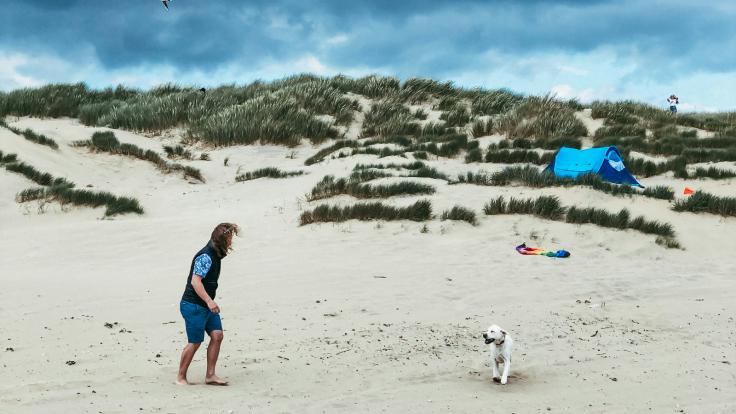
Property and business owners face possible building damage, power cuts and transport disruption as a developing low-pressure system approaches parts of England and Wales with potentially damaging winds.
The Met Office's yellow wind warning runs from midnight to midday British Summer Time (BST) on Friday, 23 October 2026. Gusts could reach 50–60mph across affected areas, with 70mph or more possible in exposed coastal locations.
The Sun reported on 19 October that the approaching system had not yet been officially named Storm Austen. The Met Office officially named it Storm Austen on 20 October. Its precise track remains uncertain, meaning the areas exposed to the strongest winds could change.
Secure Outdoor Items Before Friday
Residents should secure loose belongings before the strongest winds arrive. The Sun reported advice covering bins, trampolines, tents and garden furniture, as well as sheds and fences.
The warning identifies a slight chance of damage to buildings, including roof tiles becoming dislodged. Flying debris could also cause injuries and pose a danger to life.
Coastal properties face an additional hazard from large waves and beach material thrown onto seafronts and nearby roads. However, the Met Office describes the likelihood of associated injuries and danger to life as small.
People visiting the coast should avoid exposed seafronts during strong winds and take care near cliffs.
Power and Travel Disruption Could Affect Businesses
The warning extends beyond physical damage. Electricity supplies could be interrupted, potentially affecting other services, while road, rail, air and ferry passengers could face delays or cancellations, and some roads and bridges may close. Heavy rain could make journeys more difficult during the warning period.
For businesses and commuters, Friday morning travel requires particular consideration. The Sun advises checking travel conditions before leaving home, while its report also highlights the possibility of disruption across affected areas.
The alert covers parts of southern England, south-west England, Wales and Herefordshire, including coastal communities.
London Loves Business highlighted the forecast's relevance to households, commuters and companies, adding that uncertainty over the system's track and strength made continued attention to forecasts important.
Storm's Track Remains Uncertain
Met Office Deputy Chief Forecaster Tom Crabtree said the system could bring disruption while forecasters continued to establish its exact position.
He said, 'It has the potential to bring some strong winds, though the location of the strongest winds will be determined by the low position.'
The system could cross the UK overnight on Thursday and through Friday, with the strongest winds expected during the early hours of Friday. Winds are expected to ease as the system moves away, although further spells of wind and rain could follow over the weekend and into next week.
Why Preparedness Matters for Economic Resilience
Beyond the immediate forecast, weather preparedness connects with a wider debate about protecting business activity from environmental risks.
In a speech published by the European Central Bank (ECB) on 19 October, Frank Elderson argued that firms become less competitive when their operations grow more vulnerable to climate- and nature-related shocks.
Elderson, an ECB Executive Board member and vice-chair of its Supervisory Board, addressed the Green Swan 2026 Conference in Manila. His remarks concerned long-term economic resilience rather than the causes of this particular storm.
He said floods can damage infrastructure and disrupt production, while environmental shocks can postpone investment and leave lasting economic effects.
Elderson called for stronger early-warning systems and more resilient infrastructure, energy supplies and transport networks. His argument places preparedness within business planning: protecting operations against disruption also helps preserve competitiveness.
© Copyright IBTimes 2026. All rights reserved.