

UK Households Told to Stock Tinned Food and Water as Government Prepares for Attacks and Extreme Weather
New campaign aims to boost national resilience against diverse threats
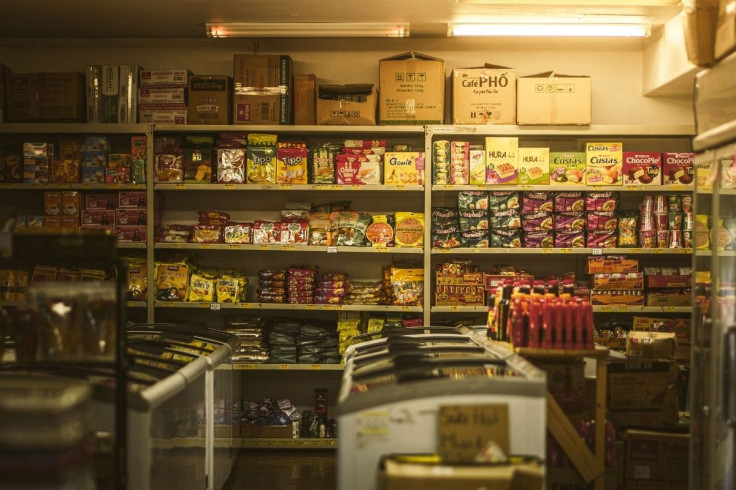
The UK government is preparing to urge households to keep basic supplies such as tinned food and bottled water at home as part of a new national effort to strengthen Britain's resilience against extreme weather, cyberattacks and hostile state activity.
The public information campaign is being developed by the Cabinet Office and is expected to encourage people to take practical steps to cope with emergencies that could temporarily disrupt essential services.
The move reflects a broader shift in the government's approach to national security, with ministers increasingly warning that threats to Britain extend beyond conventional military conflict.
Why the Government Wants Households to Prepare
The campaign is designed to help households remain self-sufficient during the early stages of a major emergency.
Officials are expected to advise people to keep supplies, including non-perishable food and drinking water, allowing emergency services and government agencies to focus their resources on people who are most vulnerable.
Potential scenarios include severe flooding, extreme heat, cyberattacks and disruptions caused by hostile states.
The government is not presenting the guidance as a prediction that a major attack or disaster is imminent. Instead, the campaign forms part of a longer-term effort to make households better prepared for a wider range of risks.
Hostile States and Cyberattacks Add to Concerns
Britain's security environment has become increasingly complicated, with the government identifying Russian aggression, hostile state activity and cyber threats among the major risks facing the country.
The 2025 National Security Strategy warned that hostile state activity is already taking place on British soil, while Russia's aggression has fundamentally changed the security environment in Europe.
The government's 2026 Resilience Action Plan implementation report also highlighted a growing number of sub-threshold attacks attributed to Russia, major cyberattacks, conflict in the Middle East and increasingly severe weather.
These overlapping threats are changing how authorities view national resilience.
Climate Risks Are Becoming More Immediate
Extreme weather is another major reason behind the preparedness campaign.
Britain has experienced increasingly disruptive weather events, including flooding, heatwaves and wildfires. Such incidents can temporarily affect electricity, transport, communications and access to essential supplies.
The government wants households to be capable of dealing with short-term disruption rather than relying entirely on emergency services.
The approach also reflects concerns over Britain's wider food resilience. Official government data continues to monitor risks affecting food supply, including international developments and domestic pressures.
Government Wants Preparedness Without Panic
The challenge for ministers will be encouraging people to prepare without creating unnecessary alarm.
The Cabinet Office's campaign is expected to focus on simple, practical measures rather than urging households to build extensive stockpiles. The objective is greater resilience during emergencies, particularly while authorities deal with those requiring immediate assistance.
For British households, the message represents a notable change in tone. Preparing for emergencies was once largely associated with major natural disasters or wartime scenarios. The government now views climate-related disruption, cyberattacks and hostile state activity as interconnected risks.
Keeping basic food and water supplies at home is therefore being positioned not as a response to one specific threat, but as part of a wider strategy to ensure Britain can continue functioning when unexpected crises strike.
© Copyright IBTimes 2026. All rights reserved.