

10 Photos of Brigitte Bardot: How Quitting Film Turned a Global Sex Symbol Into a Relentless Animal Activist
The iconic French actress passed away at the age of 91.
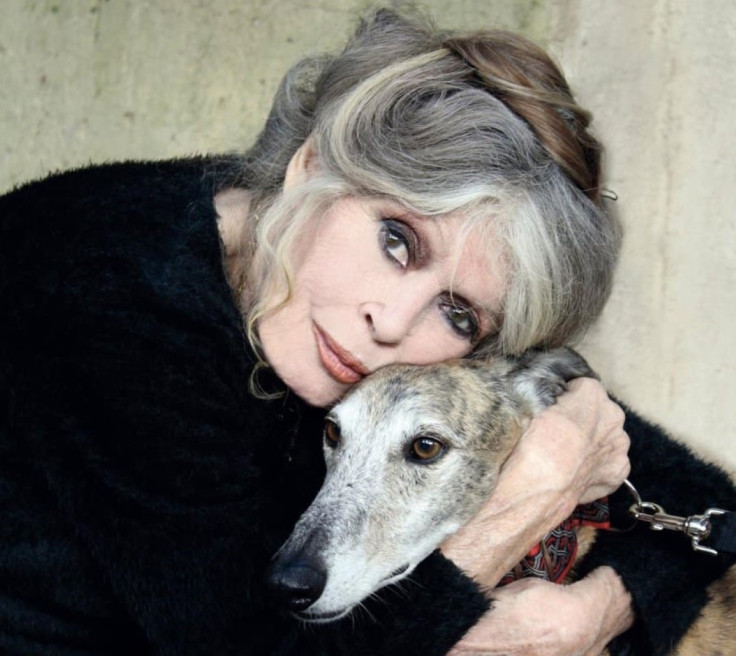
Brigitte Bardot, the iconic French actress known for her embodiment of 1960s cinematic allure and her passionate commitment to animal rights in subsequent years, has passed away at the age of 91.
The Brigitte Bardot Foundation, the animal welfare organisation she established in 1986, confirmed her passing on Sunday, 28 December, at her home in southern France. The cause of death remains undisclosed to the public.
Her life was marked by fame and controversies, yet it showcased the appeal and complexities of a cultural figure whose influence extends well beyond the cinematic realm.
How She Became a Global Sex Symbol
Born Brigitte Anne‑Marie Bardot in Paris on 28 September 1934, she was introduced to performance at a young age. She was trained in classical ballet before moving into modelling as a teenager.
She began her film career in 1952, but it was her defining performance in And God Created Woman (Et Dieu... créa la femme, 1956), directed by her then-husband Roger Vadim, that propelled her to global recognition. The film's bold sensuality and Bardot's free-spirited presence defied the cinematic conventions of its time, sparking worldwide intrigue and regular controversy.
Bardot's charm was undeniable with her tousled blonde hair, irreverent gaze, and sensual on-screen demeanour. She played a pivotal role in shaping a new archetype of femininity during a period of significant cultural transformation related to sex and freedom. Her remarkable success went on by starring in more than 40 films, with standout performances in La Vérité (1960) and Le Mépris (1963).
Her visibility extended into broader cultural symbols. In 1969, her image was selected for Marianne, the national symbol of the French Republic, highlighting her relevance as a cultural icon of her time.
Yet despite her fame, Bardot often spoke of the toll that constant scrutiny took on her personal life. She described fame as a confinement that ultimately drove her away from acting.
Leaving Film for Animal Activism
In 1973, at the height of her popularity but increasingly disillusioned with the film industry and public intrusion, Bardot retired from cinema. Instead, she committed herself entirely to the cause of animal rights, a mission that would shape her future endeavours.
In 1986, she founded the Brigitte Bardot Foundation for the Welfare and Protection of Animals, initially funding its efforts through the auctioning of personal items and memorabilia. She participated in prominent campaigns that garnered global attention, from journeying to the Arctic to protest the killing of seal pups, to denouncing animal testing and championing the fight against cruel farming practices.
Bardot's advocacy sparked both admiration and intense discussion. She urged global leaders to address concerns like dolphin hunts and advocated for stray animal care initiatives in Romania, demonstrating a steadfast dedication to animal protection that transcends borders and political divides.
Her dedication earned her recognition, including France's prestigious Legion of Honour in 1985. Her activism, however, sparked debate. Her strong support for animal welfare often mingled with bold political opinions, especially regarding immigration and cultural traditions, resulting in several convictions in French courts for inciting racial hatred.
One of her final public gestures before her death was a heartfelt social media appeal to adopt a rescue dog suffering from arthritis, underscoring her lifelong compassion for animals until the very end.
Remembering a Cultural Icon
Bardot's passing at the age of 91 signifies the conclusion of a significant chapter for one of the most iconic cultural personalities of the 20th century. Her legacy is defined by remarkable change, evolving from a beloved star to a dedicated advocate, along with a foundation that carries on her commitment to champion those without a voice.
French President Emmanuel Macron honoured Bardot on X, describing her as 'a legend,' highlighting her lasting impact on French culture and beyond.
Bardot redefined what it meant to be a global star in her youth and, in her later years, used that very fame to campaign for causes she believed transcended celebrity. In both areas, her mark on popular culture and animal welfare was clear.
© Copyright IBTimes 2026. All rights reserved.