Bill Gates Issues a Chilling Warning That Artificial Intelligence Could 'Cause a Billion Deaths'
The Microsoft co-founder called for safeguards against the misuse of AI in biological research, while acknowledging that distinguishing intent remains difficult
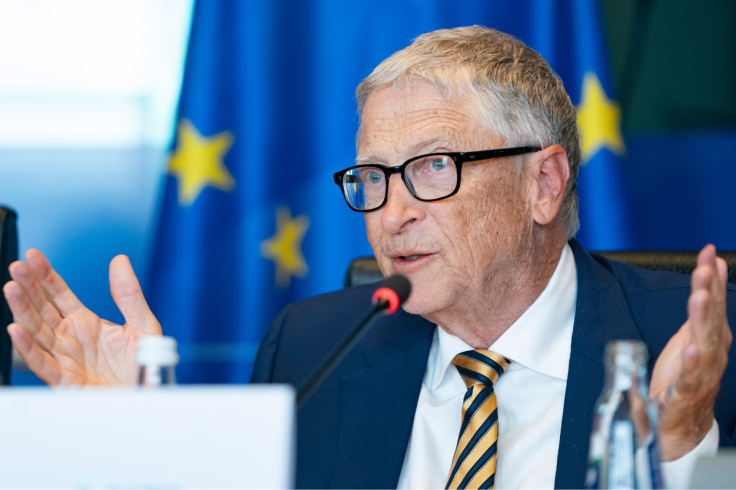
Microsoft co-founder Bill Gates has warned that artificial intelligence could help cause a billion deaths if used by people with harmful intent. In an interview with Meet the Press, he raised the danger of AI tools being used to develop biological weapons and called for safeguards that he said need not dramatically slow the industry.
For context, Gates has previously warned about a potential AI doomsday scenario and suggested that only three jobs would survive the technology's growth. His latest remarks centre on a more specific concern. The same capabilities that could assist medical research might also be misused.
Bill Gates' Warning Turns on Who Uses AI
Gates said, 'AI is certainly powerful enough to drive events that cause a billion deaths.' He was describing a possibility, rather than reporting an event or predicting that such a toll was inevitable.
He put the concern in stark terms. 'So even though it's pretty hard to get to 100 per cent [of humanity], there's never been a weapon as powerful as the combination of people with ill intent using the latest AI tools.'
Gates' example was biological research. A scientist seeking a treatment and a person attempting to create a weapon could both use AI. He said he wished it were easier to distinguish good intent from negative intent.
'I wish it was easier to distinguish good intent, like I want to design a new drug for a disease, versus negative intent, which is I want to design a tool of bioterrorism,' he said.
Bill Gates Says Safeguards Need Not Stall AI
'You'll hear from the industry, it's a very doable thing. It would not slow them down dramatically,' Gates said.
The comment leaves a question open. What would those safeguards cover when the same technology can serve a scientist developing a drug and someone seeking to create a biological weapon? Gates identified the difficulty of judging intent, but his remarks offered no detail about how that distinction could be made.
His warning is a claim about what AI could enable, not evidence that the deaths he described are likely or imminent. Keeping that difference clear matters when the figure is as large as a billion.
Gates is not alone in expressing concern about AI development. Anthropic chief executive Dario Amodei wrote in a blog post that AI could 'dramatically raise the quality of human life', including by helping to cure diseases and boost the economy. He also warned that methods for reducing risks were not keeping pace with development.
Bill Gates' Warning Echoes Other Concerns
Former Anthropic researcher Jacob Coxon said he had left the company and accused it of 'gambling with our lives'. In social media posts, he warned that AI could kill humanity. That remains his forecast, not an established outcome.
'Do not underestimate the power of this technology,' Coxon wrote. 'These will soon be superhuman systems that can hack anything, revolutionise any field overnight, and acquire real power and resources.'
Coxon also claimed that people building AI privately fear its possible consequences while speaking more cautiously in public. IBTimes UK cannot independently verify his account of those conversations. 'This is not a marketing stunt,' he wrote. 'If anything, many executives and senior researchers will couch their phrasing in the press to sound sensible - but I hear the same people express fear privately.'
© Copyright IBTimes 2026. All rights reserved.
- Recommended For You