

British Airways BA825 Squawks 7700 Near Liverpool After 'Minor' Fault, Then Lands Safely at a Remote Heathrow Stand
Minor technical issue causes British Airways flight to declare emergency
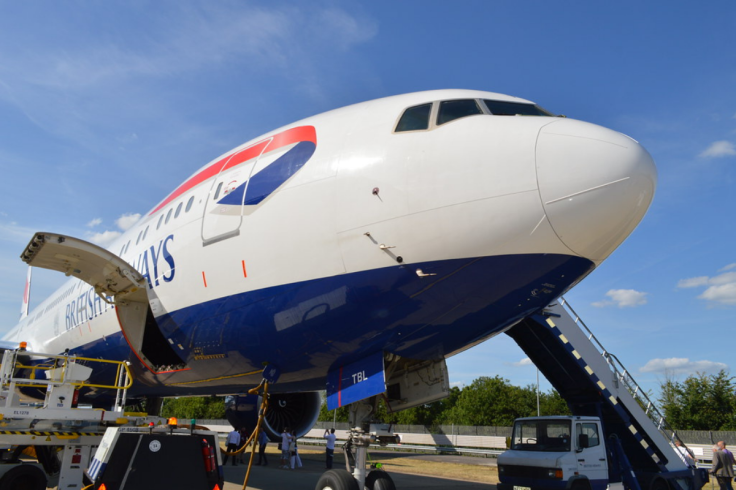
A British Airways flight from Dublin to London Heathrow squawked 7700, the international code for a distress emergency, while flying over north-west England on Tuesday morning, before landing safely at a remote stand at Heathrow.
Flight BA825, an Airbus A321neo registered G-TNEI, departed Dublin Airport at around 8.45am on 1 September and climbed normally to cruising altitude. Flight-tracking data then showed the aircraft broadcasting the 7700 code near Liverpool, prompting air traffic controllers to give the crew priority handling. Within minutes, the jet had begun a controlled descent to around 8,000 feet.
The aircraft levelled out and flew a holding pattern while the crew worked through the issue with air traffic control, before continuing towards London and remaining at a lower altitude for the rest of the journey. Emergency services at Heathrow were placed on standby, in line with standard procedure whenever a 7700 alert is declared.
The flight was established on final approach to runway 27L by 9.36am and touched down at approximately 9.40am. It then taxied to a remote stand at Terminal 5 by 9.48am, away from the airport's main piers, a routine precaution that allows ground crews to inspect an aircraft away from other traffic and passengers.
Airline Cites 'Minor Technical Issue' as Cause of Alert
British Airways said the in-flight emergency was linked to a 'minor technical issue' but did not specify the nature of the fault.
It remains unclear whether the alert was related to a pressurisation problem, an engine system, or a sensor malfunction, and the airline has not confirmed further details.
Passengers disembarked without incident, and there were no reports of injuries or visible damage to the aircraft.
Squawk 7700 is used by pilots to request priority attention from air traffic control whenever they judge a situation serious enough to warrant it, and aviation experts note that the majority of such alerts are resolved without serious incident.
Even so, an aircraft descending from cruising height over a populated area is likely to draw public attention, as this one did on Tuesday.
Data Breach at MAG Highlights Wider Aviation Pressures
The BA825 alert came days after Manchester Airport Group, which operates Manchester, London Stansted and East Midlands airports, confirmed it had suffered a cyber security incident affecting customer data.
MAG said an unauthorised third party had accessed data linked to car park, lounge and fast-track bookings, along with sign-ups to in-terminal wifi, including customer email addresses, phone numbers, vehicle registration numbers and postcodes.
The company said no bank or payment card details were stored on the affected system and stressed that neither passenger safety nor aviation security had been compromised, with operations at all three airports unaffected.
MAG said it became aware of the breach the previous Tuesday and moved to contain the risk immediately, bringing in specialist advisers and notifying regulators. It said those responsible had demanded a ransom, which the company did not pay, though the sum requested has not been disclosed.
'We have been working with the relevant authorities,' the group said in a statement, adding that it took the security of customer data 'extremely seriously' and apologised for any concern caused.
Taken together, the two incidents, one an in-flight technical alert resolved safely, the other a data breach affecting three airports, illustrate the range of pressures facing UK aviation this year. Flights have continued to operate safely, but operators are also having to manage growing scrutiny of their digital security.
© Copyright IBTimes 2026. All rights reserved.