Obama Says AI Has Reached a Point Where Even Its Engineers Are Struggling To Keep Up
The former US president says decisions made now could determine whether AI brings major breakthroughs or severe economic and social disruption
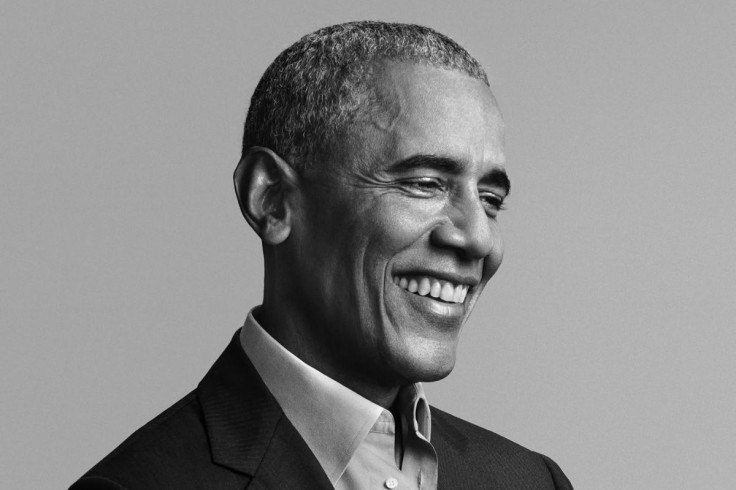
Former US President Barack Obama has warned that artificial intelligence is developing faster than even those engineering it can keep up with, as he called for governments to become more proactive in shaping the technology's future.
In a statement posted on X on Monday, 14 September, Obama said AI's potential impact was 'not overhyped' and argued that decisions being made now could determine whether it delivers major breakthroughs or causes severe economic and social disruption.
AI Is Moving at 'Lightning Speed'
Obama said he had followed developments in artificial intelligence for more than a decade and had become convinced its potential consequences should be taken seriously.
'I've been watching the progress on AI for over a decade now, and one thing that's clear to me is that the potential impact of this technology is not overhyped,' he wrote.
He added that AI was moving at 'lightning speed' and 'even faster than those who are engineering it can keep up with'.
The former president also rejected two opposing positions in the debate surrounding advanced AI.
Obama said he was neither an 'AI accelerationist' who believed the technology would produce a 'techno-utopia' nor a 'doomer' who thought artificial intelligence would inevitably lead to humanity's destruction.
Instead, he argued that what happens will depend on choices being made while increasingly powerful systems are still being developed.
I was encouraged this week to see the leaders of the frontier labs agree on the need for them to slow down the pace of AI development. Given the stakes, it’s a good and necessary first step.
— Barack Obama (@BarackObama) September 14, 2026
But I’m even more encouraged by the growing recognition that how this powerful new…
Obama Calls for Government Action
Obama said leaders of frontier AI laboratories had agreed on the need to slow the pace of development, describing the move as a 'good and necessary first step'.
However, he argued that decisions about AI should not remain primarily in the hands of technology companies.
Obama also called for government leaders, particularly those in Washington, to become more proactive by advancing concrete proposals, laws, and regulations to address AI's growing impact.
He identified safety, employment, protections for children and the distribution of AI's economic benefits as areas requiring attention.
Obama said he was encouraged by the growing recognition that the direction of AI development should become a central subject of public debate.
'Choices that should be made not just by the companies involved, but by all of us,' Obama wrote.
Breakthroughs or 'Potential Catastrophe'
Obama outlined dramatically different possibilities for a future shaped by artificial intelligence.
On one side, he said AI could produce major breakthroughs in medicine, energy and education, potentially delivering benefits across some of society's most consequential areas.
On the other hand, he warned the technology could unleash 'huge economic disruptions', greater inequality, and 'potential catastrophe'.
Obama did not argue that either outcome was inevitable. Instead, he presented AI's consequences as dependent on decisions being taken during its rapid development.
His intervention broadens the debate beyond whether frontier systems should simply accelerate or slow. It also raises questions about regulation, economic disruption, and who ultimately benefits from increasingly powerful technology.
For Obama, those choices cannot be left solely to the companies building AI.
After watching its development for more than a decade, he argued that its impact is not being exaggerated and that governments and the public must become more involved now in determining where the technology leads.
© Copyright IBTimes 2026. All rights reserved.
- Recommended For You