

Migrant Rapist Allowed to Stay in UK After Judge Says He Has 'Learned His Lesson' Despite Delayed Confession
Italian man's deportation blocked despite rape conviction, sparking political backlash

An Italian man convicted of raping a woman while she was asleep has been allowed to remain in the UK after an immigration judge ruled that he no longer poses a sufficiently serious threat to the public.
Hendrix Ekwen, 34, was sentenced to eight years in prison for the 2017 rape but continued to deny responsibility for years. He eventually admitted the offence during immigration proceedings, telling the tribunal that he had 'learned his lesson' and did not want to be known as 'that kind of person'.
The decision has prompted criticism from politicians and renewed debate over the UK's ability to deport foreign nationals convicted of serious crimes.
Convicted of Raping a Sleeping Woman
Ekwen moved from Italy to the UK in 2009, aged 18, to join his mother and siblings in the North East of England.
The rape took place in 2017 after Ekwen and another man had been drinking with mutual friends. The woman later went home with the two men and had consensual sex with the other man before falling asleep. She subsequently woke to find Ekwen having sex with her, according to evidence described in the immigration tribunal proceedings. She demanded that the men leave and contacted police.
Judge Rebecca Pickering described the offence as an 'appalling' attack, saying the woman had been particularly vulnerable because she was intoxicated and asleep. The judge also said the offence represented a 'grave violation' of the victim and demonstrated attitudes of sexual entitlement at the time.
Ekwen was convicted at Newcastle Crown Court and sentenced to eight years in prison in 2021.
Years of Denial
Despite his conviction, Ekwen initially continued to maintain his innocence.
The Home Office later sought to deport him after attempting to remove his status under the European Union Settlement Scheme. During an earlier appeal, Ekwen reportedly described his conduct as inadvertent and suggested that he had misinterpreted signals.
His position changed during subsequent immigration proceedings. Ekwen eventually gave what the tribunal accepted as a full admission of responsibility for the rape. He acknowledged that what he had done was rape and recognised the harm suffered by the victim.
The change in his position became an important part of the judge's assessment of whether he remained a danger to the public.
Why the Tribunal Decided Against Deportation
The decision came despite a prison risk assessment that had previously identified concerns about Ekwen's behaviour.
The assessment described him as presenting a high risk of serious harm to women and highlighted concerns including 'sexual entitlement' and a 'lack of victim empathy'. The Home Office also pointed to Ekwen's previous history, including five domestic abuse incidents between 2012 and 2014 and a 2015 conditional discharge for possession of cannabis.
However, Judge Pickering found that Ekwen had changed significantly since the assessment was carried out. His rehabilitation efforts, including studying sports coaching at college and playing football, were also considered as part of the tribunal's assessment of his development.
The judge concluded that the Home Office had not established that Ekwen's current behaviour represented a 'genuine, present and sufficiently serious threat' to public safety. His appeal against deportation was therefore allowed.
Home Office Challenges the Immigration Ruling
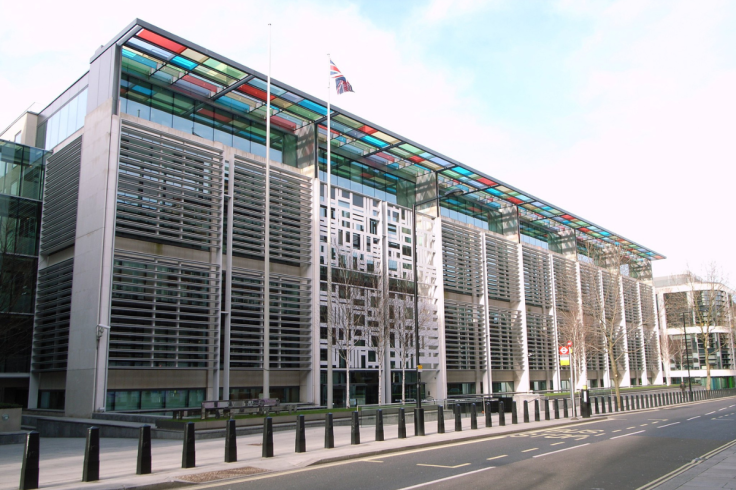
The ruling does not necessarily bring the case to an end. The Home Office has indicated that it intends to appeal the decision, arguing that the government remains committed to removing foreign criminals from the UK.
The case has already triggered a political backlash. Shadow Home Secretary Chris Philp described the decision as 'utterly repulsive', while Reform UK home affairs spokesman Zia Yusuf also criticised the ruling and called for Ekwen to be deported.
The case has also become part of a wider political argument over Britain's immigration rules, deportation powers and human rights protections.
For now, however, Ekwen has won his appeal and has the right to remain in the UK, despite his rape conviction. The tribunal's decision was based on its assessment that his present conduct did not meet the legal threshold required for deportation under the rules governing his case.
© Copyright IBTimes 2026. All rights reserved.