

Convicted Migrant Smuggler Used Cheese and Onion Cargo to Evade UK Border Checks
Iraqi smuggler Twana Jamal, previously jailed in France, discovered in Leicestershire amid asylum application
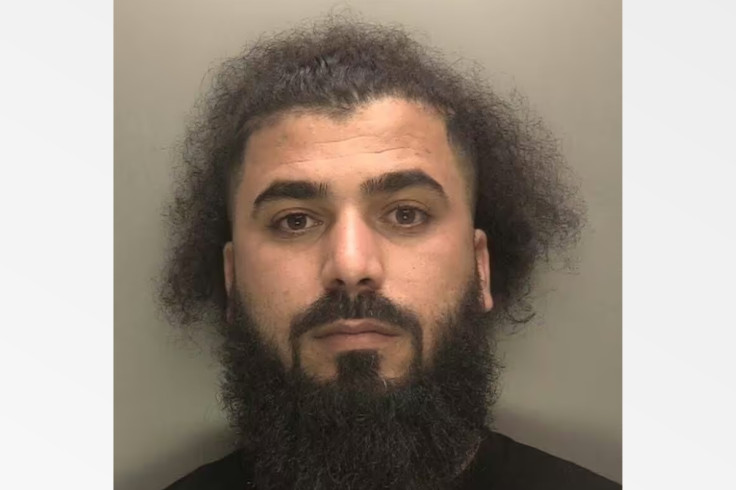
A convicted Iraqi people smuggler who prosecutors said earned up to £100,000 (approximately $136,000 USD) a week transporting migrants across the English Channel by hiding them inside lorries carrying cheese and onions has been found living in Leicestershire while seeking asylum in the UK, according to a BBC Radio 4 Intrigue: To Catch a King investigation.
Twana Jamal was jailed for five years in France in 2016 after prosecutors said he ran a major people-smuggling network near Dunkirk, charging migrants between £4,500 and £5,000 (approximately $6,100–$6,800 USD) each for a crossing to Britain. They said the produce emitted carbon dioxide, making it more difficult for border officers using carbon dioxide detection equipment to identify people hidden inside the vehicles.
The investigation traced Jamal to the village of Blaby, where he was found apparently working, driving without a valid UK licence and seeking asylum. The findings have raised questions about whether British authorities were aware of his French conviction when he entered the country. Downing Street said it was working urgently to establish the facts.
How the Smuggling Operation Worked
French prosecutors said Jamal operated from the Grande-Synthe migrant camp near Dunkirk between 2012 and 2016. They said his network moved around 80 migrants a month and generated up to £100,000 (approximately $136,000 USD) a week before his arrest.
Before small boats became the main method of crossing the Channel, prosecutors said migrants were concealed inside freight lorries carrying cheese and onions because the cargo released carbon dioxide that could mask the breath of those hidden inside from border detection systems.
Prosecutors also said Jamal used numerous aliases, at one stage writing assumed names inside his baseball cap to remember which identity he was using. He denied the charges, claiming mistaken identity, but was convicted and ordered to be deported to Iraqi Kurdistan after serving his prison sentence.
Smuggler Traced to Leicestershire
Following a tip-off, investigators located Jamal in Blaby, on the outskirts of Leicester. They said they observed him apparently working behind the counter at two Candy Corner shops, driving a BMW without a valid UK driving licence and using another name.
In undercover recordings, Jamal allegedly said he was making 'good money' and claimed: 'We know everyone in this city, this city is ours,' before adding: 'No one touches us here.'
When confronted, Jamal denied ever being involved in people smuggling and claimed he had lived in the UK since 2009. Shown a photograph of himself in a French courtroom during his 2016 trial, he replied: 'I don't care.' He also said he had applied for asylum and was 'still waiting'.
Questions Over Overseas Conviction Checks
Under UK immigration rules, foreign nationals sentenced to at least 12 months in prison overseas would normally be refused refugee status. However, the Immigration Services Union said identifying overseas convictions has become more difficult since Brexit because British authorities no longer have automatic access to several shared European criminal databases.
A Home Office spokesperson said all asylum applicants undergo mandatory identity, security and criminality checks. A Number 10 spokeswoman said the government shared the public's concern over the case and was working urgently to establish the facts.
The case has renewed questions about how overseas criminal convictions are identified during the asylum process and whether changes to information-sharing arrangements since Brexit have made those checks more difficult.
© Copyright IBTimes 2026. All rights reserved.