Disney to Axe 1,000 Jobs in Brutal Layoff Blow—Department Set to Take Biggest Hit Revealed
Disney is adjusting to streaming challenges, a weaker theater market, and strong competition, aiming to focus on digital growth

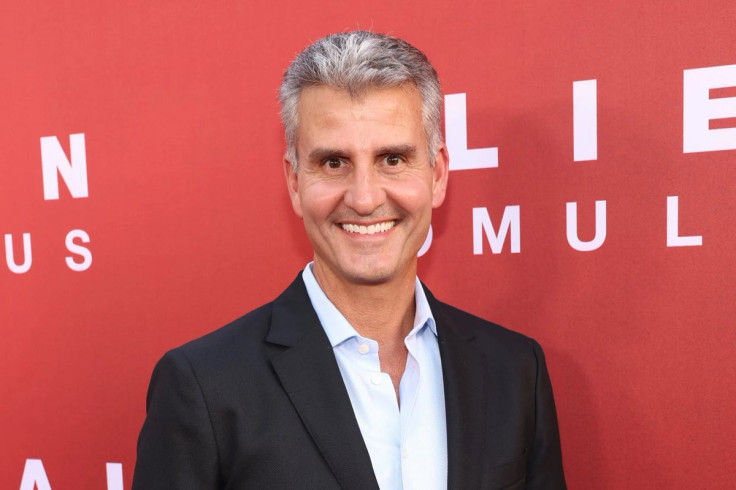
The entertainment world was shaken this week when Disney announced a significant reduction in its global headcount. Executed as part of a broader cost-cutting initiative, the move aims to streamline operations across several key divisions.
While the news has left many employees in suspense, the specific area bearing the brunt of these cuts has finally come to light.
Marketing Sector Faces Steep Cuts
Disney is gearing up for a major wave of redundancies, marking one of the first big shifts led by the new chief executive, Josh D'Amaro. Sources close to the company indicate that as many as 1,000 roles are expected to be cut over the next few weeks. A significant portion of these losses is slated for the marketing division, which was recently brought together under a single unit.
Much like other major players in Hollywood, Disney is grappling with the shift from lucrative traditional TV to the tighter margins of streaming services. The company is also navigating a weaker theatrical market and fierce rivalry from tech giants like Amazon and YouTube. By trimming costs, the studio hopes to redirect funds toward the digital ventures it believes will drive future expansion.
Restructuring Under New Leadership
Since Bob Iger stepped back into the top role in 2022 and launched a massive overhaul, the firm has already let go of over 8,000 staff members. Insiders suggest that this upcoming round of redundancies was actually put in motion well before D'Amaro stepped into his current position.
Bob Iger’s final message as CEO of The Walt Disney Company. The end of an era.
— Drew Smith (@DrewDisneyDude) March 18, 2026
"I believe deeply in this company’s future, because I believe in Josh D’Amaro and the people who will help him shape it next. Josh is a wonderful choice to lead The Walt Disney Company." pic.twitter.com/3VsSlIKzw4
By the end of the 2025 fiscal year, Disney's workforce had grown to 231,000, with roughly 80% of those employees based in the experiences arm, covering everything from theme parks to merchandise. While the parks and cruise line sectors are currently flourishing, the bulk of the job losses have been concentrated in the entertainment, ESPN, and corporate branches.
For the past few years, the entertainment sector has been haunted by the grim reality of constant job cuts. Industry titans such as Sony Pictures, Paramount, and Warner Bros. Discovery have all trimmed their payrolls to stay afloat. This trend shows no signs of slowing down, as further redundancies are anticipated once Paramount finalises its massive takeover of Warner.
Project Imagine and Brand Mergers
To lower overheads and better align its goals, Disney has been merging departments that once operated independently, focusing heavily on its digital presence. This shift saw the company bring its marketing teams for entertainment, sports, and experiences together under one leader, Asad Ayaz, at the start of the year.
Insiders have noted that Ayaz is spearheading this move to streamline the workforce and save money under an initiative titled Project Imagine. In a bid to unify its streaming presence, the company is merging the teams behind Disney+ and Hulu as it transitions both services into a single, cohesive app.
To help guide these sweeping financial adjustments, the entertainment giant has enlisted the expertise of consultants from Bain & Co. to refine its cost-cutting strategy.
Balancing Efficiency With Growth
Since stepping into the role last month, D'Amaro has yet to detail a formal roadmap for Disney's future. Those within the company's inner circle suggest he is focused on breaking down barriers between departments to ensure they work together with greater speed and agility. Many staff members have long worried that achieving such efficiency would inevitably lead to a smaller workforce.
At the start of March, D'Amaro mentioned that the debut of a fresh area at Disneyland Paris is set to generate 1,000 new jobs. 'I believe we will continue to be the number one tourist destination. I believe that we will continue to add jobs. In fact, we're adding 1,000 jobs, just for this new land that we have built,' the Disney chief executive noted.
Ultimately, the success of D'Amaro's leadership will be judged by his ability to revive the company's flatlining share price. The stock has dropped by almost 50% since reaching its peak in 2021 and is now hovering at roughly the same value it held 10 years ago.
© Copyright IBTimes 2026. All rights reserved.
- Recommended For You