Trump Truth Social: 'Power Plant Day' Warning Sparks Panic as Iran Defies Strait of Hormuz Demand
US politicians across parties criticise Trump Truth Social post as provocative

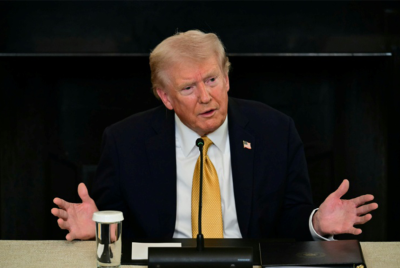
Could a single social media post by a US president trigger international alarm, market volatility, and diplomatic tension? On Easter Sunday, Donald Trump posted a message on Truth Social directly addressing Iran, warning of potential attacks on critical infrastructure if the Strait of Hormuz remained closed. The post included the unusual term 'Power Plant Day' and controversially referenced 'praise be to Allah', drawing attention and concern from analysts worldwide. Observers noted that combining political messaging, religious symbolism, and military warnings made it unusual for a world leader.
The post quickly went viral, with experts warning that public threats on social media could have unintended consequences in an already volatile region. The timing of the message, coinciding with a major religious holiday, added further scrutiny. Analysts emphasised that the symbolic timing and direct threat could be interpreted in multiple ways, increasing the risk of miscalculation.
International Analysts Warn Trump's Post Could Escalate Tensions Rapidly
Global analysts responded swiftly, describing the post as unprecedented for a former president. Communicating threats via social media bypasses traditional diplomatic channels, increasing the risk of misinterpretation and escalation. Analysts highlighted that the informal platform amplified the post's reach, ensuring governments, journalists, and the public would see it immediately.
As reported by CNN, analysts interpreted the post as signalling potential attacks on civilian infrastructure if Iran refused US demands regarding the Strait of Hormuz. European and Middle Eastern media flagged both the threatening language and symbolic timing, warning of possible regional instability. Even the perception of threats could influence strategic decisions, as military planners seek to interpret intentions while avoiding escalation.
Strait of Hormuz Remains Critically Important for Global Oil Supply
The Strait of Hormuz channels nearly one-fifth of global oil shipments. Iran's control over portions of the strait has long been a source of geopolitical tension. Analysts warn that any disruption could seriously impact global energy security and economic stability. Even short-term closures or threats could have ripple effects on trade, pricing, and industrial production.
Experts also noted that targeting infrastructure such as power plants or bridges could violate international law, prompting concern among legal authorities and observers. Escalation could have humanitarian and economic consequences, affecting shipping insurance, trade routes, and global financial stability.
US Political Figures Express Concern Over Trump's Social Media Post
Domestically, Trump's message drew criticism from politicians across party lines, with members of both parties calling it provocative and dangerous. Security analysts emphasised that threats of this scale via social media set a new precedent, raising questions about accountability and impact on foreign policy norms.
According to a Facebook post, the public expressed widespread concern. Analysts noted that public debate over such posts could influence political narratives and prompt official clarifications.
Global Financial Markets React to Heightened Tensions Over Strait of Hormuz
Financial markets responded immediately to increased uncertainty. Oil prices experienced volatility as traders factored in potential disruptions to a key shipping route. Analysts warned that ambiguity over the Strait of Hormuz could affect shipping schedules and fuel costs. The combination of social media escalation and geopolitical stakes has created a high-risk scenario for global energy security.
Experts highlighted that financial markets are sensitive to public statements, particularly involving geopolitical flashpoints. Traders and analysts are monitoring regional developments and further posts on platforms like Truth Social, emphasising how political messaging and economic stability are increasingly intertwined.
© Copyright IBTimes 2026. All rights reserved.
- Recommended For You