'Apolitical' Ed Sheeran Called Out for Macklemore Controversy: 'In Another Time He Would Be Sitting in the Whites Only Section'
Macklemore says the pair had a respectful but 'fundamental disagreement'

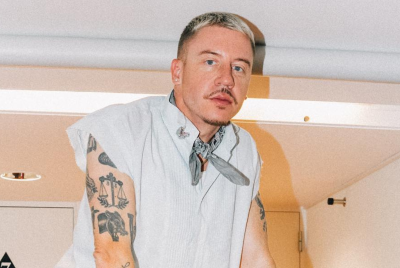
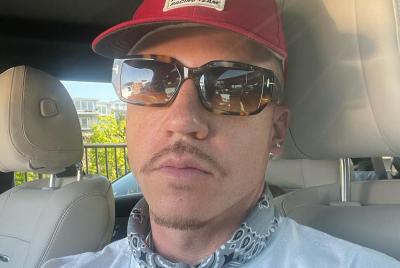
Ed Sheeran is facing criticism over his decision to remain publicly apolitical amid the controversy surrounding Macklemore's pro-Palestinian comments during his Loop Tour. The debate intensified after Macklemore was removed from the remaining US dates of Sheeran's tour following pressure from several stadium venues over his political statements.
Macklemore has since described having difficult conversations with Sheeran, saying the pair ultimately reached a 'fundamental disagreement' over whether artists should remain neutral on contentious political issues. The fallout has placed Sheeran's long-standing apolitical approach under renewed scrutiny, with some critics arguing that refusing to take a position can itself become a political choice.
Ed Sheeran's Apolitical Position Comes Under Fire
Sheeran has not publicly commented on Macklemore's removal from the tour, despite the rapper saying they discussed the controversy directly.
Macklemore claimed Sheeran told him that Robert Kraft, whose organisation owns Gillette Stadium, had objected to Macklemore appearing there and that other stadium owners subsequently put pressure on the tour. The promoter later confirmed that multiple venues would not allow Macklemore to perform, meaning keeping him on the bill could have threatened upcoming shows.
Macklemore characterised Sheeran's position as one of refusing to take sides, arguing that neutrality was easier for someone who had not personally faced the consequences of speaking out.
Critics Compare Sheeran's Neutrality To Silence
The backlash against Sheeran has gone beyond criticism of his handling of the tour.
One particularly harsh comparison accused the singer of benefiting from a position of political neutrality that, critics argue, would have been impossible to defend during historical struggles over racial segregation.
In a social media post, one commenter said 'in another time he would be sitting in the whites-only section,' highlighting that staying silent during injustice can amount to quietly accepting the status quo. Another made a stronger point by saying: 'Not taking sides is also taking sides, Ed.'
The comparison is highly provocative and should be understood as a criticism of Sheeran's stance rather than a factual claim about his personal beliefs or behaviour.
Macklemore Says Neutrality Comes With Privileges
Macklemore has argued that remaining neutral can be attractive for artists whose careers depend on maintaining relationships with venues, sponsors and audiences.
He suggested that speaking openly about Palestine has already cost him professional opportunities, while Sheeran's position allows him to avoid similar consequences.
Macklemore also acknowledged that the issue had created tension between the pair, describing Sheeran as a friend of 13 years and stressing that his criticism was not intended as a personal attack. He said their discussions were rooted in respect but ultimately ended in fundamental disagreement.
The dispute began after Macklemore used his opening set at MetLife Stadium to voice support for Palestinians, saying 'Free Palestine' and performing his protest song Hind's Hall.
He also showed imagery connected to Gaza and addressed Jewish members of the audience, saying criticism of Israel should not be interpreted as criticism of Jewish people. His comments nevertheless prompted backlash from Jewish advocacy organisations and led to calls for him to be removed from the tour.
Macklemore Has Now Been Removed From the US Tour
The controversy ultimately resulted in Macklemore being dropped from the remaining US dates of Sheeran's tour.
The tour promoter said venues had warned that they would not host shows featuring Macklemore, potentially putting the wider concerts at risk. Macklemore has defended his decision to speak publicly, while Sheeran has so far remained silent about the dispute.
The fallout has therefore become bigger than one opening act's speech. It has opened a broader debate about whether artists can genuinely remain apolitical when their platforms, audiences and commercial relationships intersect with major political and humanitarian controversies.
© Copyright IBTimes 2026. All rights reserved.
- Recommended For You