

Elon Musk Brands Sam Altman 'So Deceptive' and Claims We Have a 50 Percent Chance of a Simulation
Musk also proposed in the podcast that rival AI labs review one another's models before release and praised Anthropic employees
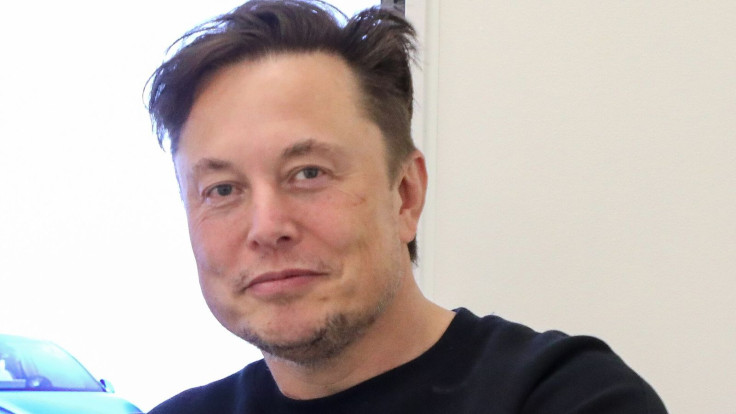
Elon Musk described OpenAI's Sam Altman as 'so deceptive' and suggested a 50 percent chance that humanity lives in a simulation during a conversation with Walter Isaacson on The Builders podcast.
Musk had been outlining a proposal for rival AI labs to examine one another's models before launch when Isaacson asked whether he could discuss the arrangement with Altman. Meanwhile, his simulation estimate came from an anecdote about two dinner guests with opposing views.
Musk's response to the prospect of speaking with Altman was blunt. 'He's so deceptive, it's crazy.' He did not identify a specific instance of deception in the quoted exchange.
Why Elon Musk Put Simulation Odds at 50 Percent
The Tesla and SpaceX chief described questioning his two dinner companions about the probability that they were living in a simulation. He recounted that their replies arrived at the same time.
He recalled that 'the physicist said 0 percent and the computer scientist said 100 percent simultaneously. So I guess maybe I should go [with] 50 percent then.'
That figure was his suggested midpoint between their positions. The anecdote did not establish a scientific calculation of the odds, and Musk framed his reasoning about simulated existence conditionally.
He told Isaacson that 'if simulation theory is correct, then any simulations that are boring will be truncated. Therefore, the fact that we exist means that we are an interesting simulation. And really the most important thing is just don't be boring.'
Elon Musk Calls for Rival AI Safety Checks
On AI development, Musk proposed regular contact between major US labs and giving competitors a chance to examine new models before release. He envisioned weekly calls, with competitors granted access to an upcoming model a week before launch.
Musk suggested weekly calls among major AI labs and giving competitors access to new models a week before release, so they could spot potential problems before those models reached a wider audience.
'I think competitors would keep each other honest in that situation. You know, if they say, oh, you know, I was able to make a nuclear bomb with your AI, it's like, oh, we better fix that before we release it, you know, type of thing.'
The nuclear example illustrated the kind of problem he wanted those checks to detect. He did not describe an actual incident in that passage.
Elon Musk explains why AI labs should test each other’s models before release, and calls Sam Altman “so deceptive, it's crazy”
— Fireside Alpha (@firesidealpha) October 20, 2026
MUSK: “In fact I recommended that we do that exact thing where I said like guys why don't we just have a call once a week just like you saying and maybe… https://t.co/EwHthDVnDi pic.twitter.com/labnlCVI7M
Anthropic Receives Praise From Elon Musk
His assessment of Anthropic was warmer. Musk described applying what he called his 'evil detector' to people he met there, while acknowledging the limits of that personal judgement.
'Not that my evil detector is perfect, of course, but, you know, might as well just try, you know. And everyone I met at Anthropic was very nice and conscientious. So I didn't meet anyone who seemed shady or deceptive or anything.'
The praise concerned his impressions of the employees he encountered. It did not assess the safety of Anthropic's models, which his proposed system would subject to scrutiny by competing laboratories.
Musk also predicted that digital superintelligence could increase the output of goods and services by 20 to 30 per cent.
© Copyright IBTimes 2026. All rights reserved.