'Aesthetic Procedure Gone Wrong': Manslaughter Probe Opened After Influencer Olivia Oras Tragically Dies
Her family said the 27-year-old experienced an emergency under anaesthesia at a private Helsinki clinic before being taken to hospital
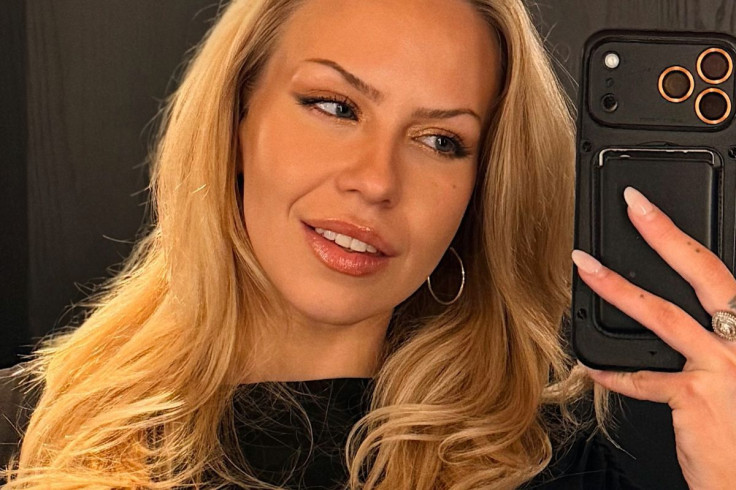
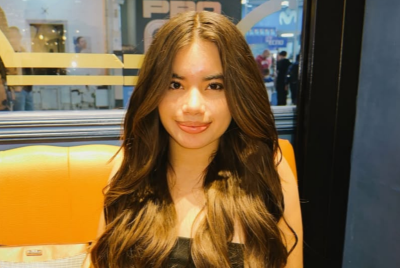
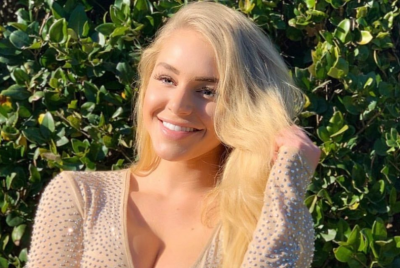
Finnish influencer Olivia Oras died on 3 September after a medical emergency before a cosmetic procedure at a private clinic in Helsinki, according to her family. The Helsinki Police Department has opened an investigation into the 27-year-old's death.
For context, her parents, Johanna and Reijo Oras, told Yle's MOT that their daughter experienced the emergency while undergoing anaesthesia before the procedure. They said she was rushed to a local hospital, where she was pronounced dead.
A family spokesperson separately told PEOPLE that her relatives had 'filed a police report about the matter'. Police said their investigation was at an early stage and that they had no further information to share.
What Police Have Said About Olivia Oras
The police announcement establishes that an investigation has begun. It does not establish the cause of Oras's death or identify anyone as responsible.
Her parents' account places the emergency before the cosmetic procedure itself. Their description of the sequence should not be read as a medical finding about what caused the emergency.
That distinction matters. The circumstances described by the family and the conclusions investigators may eventually reach are separate issues. The police statement offers no finding that a medical error occurred.
The family's account describes a transfer from the clinic to the hospital following the emergency. Beyond that sequence, the police announcement provides no further explanation of what happened.
Olivia Oras's Popularity as a Teen Influencer
Oras had been a popular content creator in Finland since her early teens. She rose to internet prominence at 14, building an audience before becoming the subject of the documentary The Perfect Selfie.
The film explored the then-16-year-old's relationship with social media and her followers. Her experience of maintaining an online presence became part of the story being told about her.
According to PEOPLE, Oras later grew concerned about the documentary's release. She closed her social media accounts and moved to Amsterdam, where she took a gig clearing tables at a café.
The work was a departure from content creation. So was the decision to close the accounts through which followers had come to know her.
Her account of life in Amsterdam also included a traumatic experience. While living there, she witnessed a friend die by suicide at her apartment building.
In an interview about her life in Amsterdam, Oras recalled repeatedly seeing what had happened in her mind while trying to build the life she wanted. She subsequently returned to Helsinki and later sought treatment for an addiction to sleeping pills and alcohol.
These were experiences she had discussed during her lifetime. Neither the police statement nor the family's account cited here links that history to the medical emergency preceding her death.
Olivia Ora's Later Work Included Business and Research
Her career extended beyond the social media following she had established as a teenager. She served as the head of two technology start-ups, adding business leadership to her work as a content creator.
Another part of her work grew out of an illness within her family. Her father was diagnosed with pulmonary fibrosis, prompting her to establish an organisation dedicated to pulmonary disease research.
Oras founded the non-profit Oras Respiratus ry after his diagnosis. The organisation's research focus reflected a health issue affecting her own family, with pulmonary disease research at the centre of its stated purpose.
© Copyright IBTimes 2026. All rights reserved.
- Recommended For You