

FBI Accused of Grooming Autistic Teen Into ISIS-Linked Plot With Its Own Propaganda After Earlier Case Failed
The defense says the FBI produced the pledge video prosecutors cite as evidence of Hassan's intent
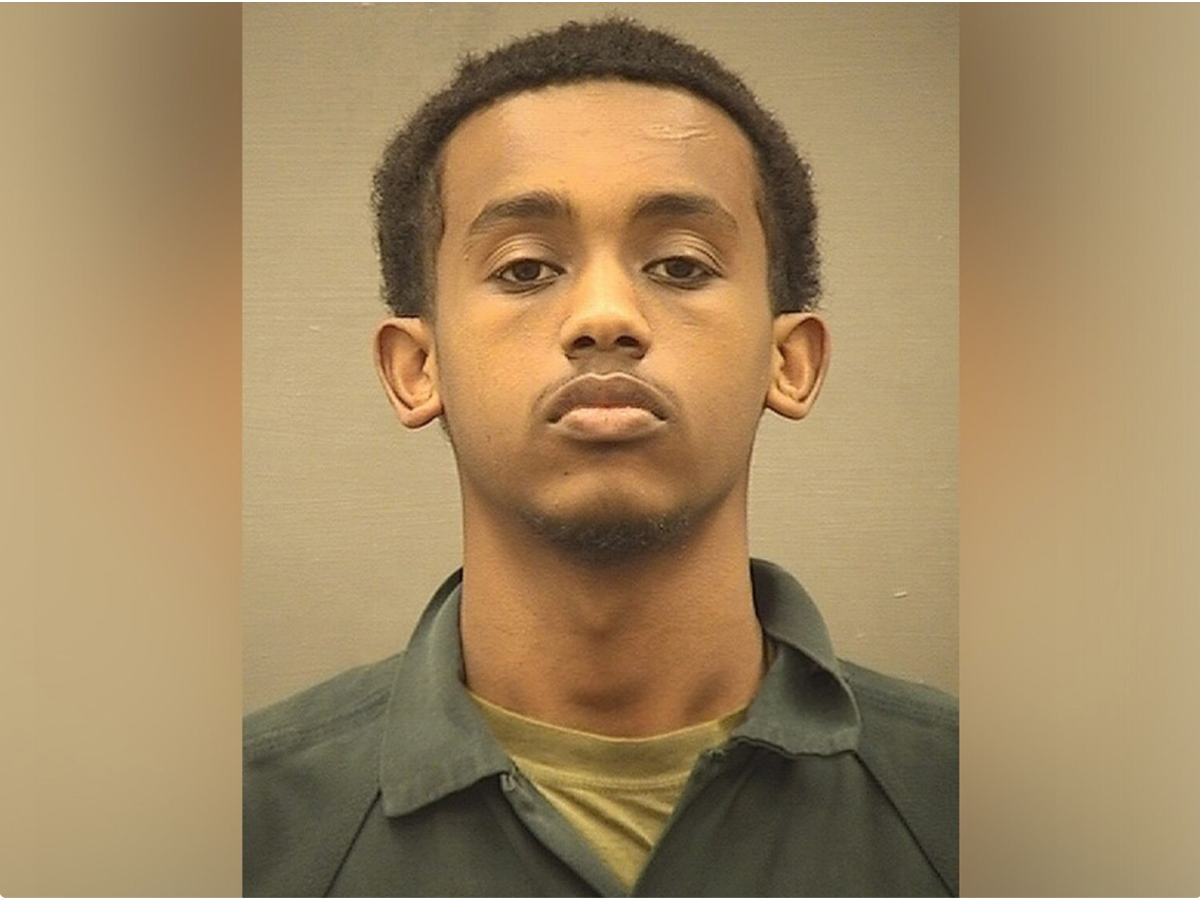
The FBI waited until an autistic Egyptian teenager turned 18, then sent a paid informant to groom him into an alleged ISIS-inspired attack plot using propaganda the bureau produced itself, his lawyer has told a federal court.
The informant was assigned to Abdullah Ezzeldin Taha Mohamed Hassan, now 20, three days after his 18th birthday and a year after a Virginia prosecution against him was dropped, according to a motion to dismiss filed on 23 October in federal court in Alexandria.
'This is not an investigation that uncovered a crime. It is an operation that manufactured one,' the filing states.
Hassan, then a George Mason University student, was arrested on 17 December 2024, accused of directing the informant to attack Israel's consulate in New York. A superseding indictment charges him with attempting to provide material support to ISIS, distributing bomb-making information, and trying to conceal data on his phone, each carrying up to 20 years in prison.
How the Earlier Case Against Him Collapsed
The FBI began investigating Hassan in August 2022, as he was turning 16, and concluded that year that he posed no threat, the motion says. He was still detained on a juvenile petition in January 2023, and Virginia prosecutors sought to try him as an adult.
At the transfer hearing that March, a Fairfax County detective testified that he did not consider the alleged plan serious and that Hassan 'mentioned that he was easily influenced.' FBI Special Agent Tyler Ellefson, already handling the informant later sent after Hassan, attended. Hassan was released to house arrest on 30 March.
School records had classified him under the autism category since he was 6, and in July 2023 a forensic psychologist found the condition made him 'much more susceptible to influence.' Prosecutors dropped the case on 4 August 2023, over his objection.
Informant Sent Three Days After He Turned 18
Hassan was born on 21 August 2006. On 24 August 2024, the FBI tasked Ellefson's informant 'to befriend HASSAN online,' the motion says.
‼️ The FBI sent a paid informant to "befriend" an autistic teen on X three days after he turned 18, his lawyer says.The motion says the FBI had found him no threat, then had the informant call him "Emir" and send him FBI-made propaganda.He is charged with trying to aid ISIS. https://t.co/xMfEOEzuZc
— International Cyber Digest (@IntCyberDigest) October 29, 2026
On 15 November, the informant pledged allegiance to the ISIS leader and addressed Hassan as 'Emir', according to the filing. A week later, the motion says, it was the informant who first raised taking action, writing, 'Maybe he wants me to act here,' before asking Hassan for a target and bomb-making material.
When Hassan wrote that he believed he was already being watched 'due to my past,' the informant replied, 'There will never be a trace left. Never.'
The FBI-Made Propaganda Video
The complaint alleges Hassan directed the informant to make a video before the attack. According to the motion, the pledge-of-allegiance video the informant then sent him to review on 9 December was produced by the FBI's Counterterrorism Human Source unit. FBI records call it a 'CTHS approved bayah video.'
Hassan replied, 'Perfect. This reminds me of the video they made before the Russian prison attack.' Prosecutors now offer that reaction as evidence of his intent, the defence says.
The informant then repeatedly asked, 'Do I have your permission to strike?' and set the attack for 9:15 a.m., the filing says. At Hassan's detention hearing, an FBI agent testified that on the planned day, Hassan logged on to the livestream and both men said, 'See you in heaven in the afterlife.' He was arrested that day.
A Paid Informant Seeking a Green Card
The source is a career informant with felony drug-trafficking convictions and a final order of removal, the motion says. The FBI has paid him $329,389.18 (about £246,000), including $15,000 (about £11,200) for the period of the operation. A month before he was assigned to Hassan, Ellefson filed paperwork to convert his S visa into permanent residency.
A 2026 FBI report on the confidential human source, or CHS, states, 'The CHS, who is a non-US citizen, is motivated by immigration benefits.'
What Prosecutors Allege
The government's complaint says the investigation began with a 4 May 2024 tip about an X account engaging in 'radical and terrorist-leaning behavior.' Prosecutors allege Hassan sent the informant a pro-ISIS video calling for the killing of Jews, bomb-making instructions, and the consulate's address, and suggested an assault rifle or explosive vest.
A Rare Defence Before a December Trial
Outrageous government conduct is a due process claim separate from entrapment, and the motion concedes no court in the Fourth Circuit has dismissed a case on that basis. 'If the Due Process Clause does not bar this prosecution, it bars nothing,' wrote Hassan's pro bono lawyer, Abdel-Rahman Hamed.
The case is before US District Judge Rossie D. Alston Jr. The Justice Department had not filed a response to the motion as of 27 October, and the trial is set for 7 December, according to Headline USA.
© Copyright IBTimes 2026. All rights reserved.