

Free Palestine Pins Could No Longer Be Allowed in Some English Schools Under New UK Government Antisemitism Guidance
The Government has accepted 27 recommendations from Sir David Bell's review, including stronger safeguarding, teacher training and guidance on political expression
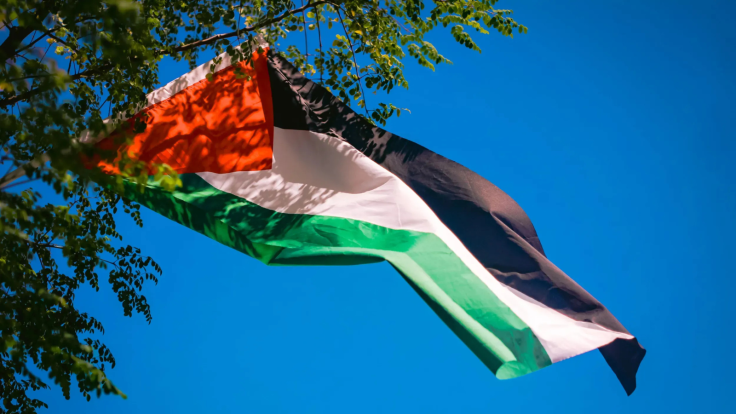
Free Palestine badges could face restrictions in some English schools following a new UK Government review into antisemitism. The guidance has sparked debate over political expression, pupils' rights and how schools should address the Israel-Palestine conflict.
The report, led by former schools regulator Sir David Bell and published on 21 October 2026, makes 27 recommendations aimed at tackling antisemitism in schools and colleges. The Government has accepted all of them, including proposals to strengthen safeguarding measures, improve teacher training and clarify guidance on political impartiality.
However, despite headlines suggesting a ban on pro-Palestinian symbols, the review does not recommend prohibiting pupils and teachers from wearing political badges altogether. Instead, individual schools will be able to consider restrictions through their existing codes of conduct where concerns arise.
Schools Set Own Badge Policies
The review acknowledges that political symbols, including pro-Palestinian badges and flags, can become contentious in educational settings. Bell said he had decided against recommending a blanket ban because he considered such a measure unworkable and legally untested. Nevertheless, he argued that schools and colleges could reasonably use their existing policies to determine what staff and pupils should be permitted to wear.
This means that a Free Palestine pin would not automatically become prohibited across England. Its acceptability could depend on the individual school's rules and the circumstances in which it was worn. The review also stresses that schools should remain places where pupils can discuss the conflict between Israel and Hamas openly, provided those discussions do not involve prejudice, hatred or antisemitism.
Government Accepts All 27 Recommendations
Education Secretary Lucy Powell confirmed that the Government would implement all 27 recommendations following the publication of the review. The proposed measures include dedicated antisemitism training for school leaders and safeguarding staff, improved reporting of antisemitic incidents and additional resources to help teachers navigate sensitive political discussions.
Schools and colleges will also be encouraged to adopt the International Holocaust Remembrance Alliance's working definition of antisemitism. The Government has emphasised that criticism of the policies or actions of the Israeli Government is not, in itself, antisemitic. However, antisemitic stereotypes, conspiracy theories, collective blame directed at Jewish people and hostility towards Jews must be recognised and challenged.
The aim is to help educators distinguish legitimate political debate from antisemitic behaviour while ensuring that Jewish pupils and staff feel safe.
Rising Antisemitism Prompts Concern
The review comes amid growing concerns about antisemitism in British education. According to the findings, three in five Jewish pupils aged 16 to 19 had experienced or witnessed antisemitism. The Community Security Trust also recorded 178 school-related antisemitic incidents during the first six months of 2026, representing a 59 per cent increase compared with the same period in 2025.
Bell warned that teachers and pupils should not feel unable to discuss the Middle East because the subject is considered too difficult or controversial. The report argues that educators need practical support to address difficult conversations without allowing discrimination or hatred to become normalised.
Debate Over Political Expression in Schools
The prospect of schools restricting political badges has prompted questions about how institutions should balance impartiality with freedom of expression.
Supporters of tighter rules argue that schools must prevent political symbols from contributing to intimidation or hostility towards pupils because of their religious or ethnic backgrounds. Others worry that restrictions could discourage students from expressing solidarity with Palestinians, particularly when the slogan itself is not inherently antisemitic.
Ultimately, the new guidance does not establish a nationwide ban on Free Palestine pins. Instead, it gives schools a framework for addressing political expression alongside their responsibilities to protect pupils from discrimination.
How individual schools interpret and implement that guidance will determine whether particular badges are permitted on their premises.
© Copyright IBTimes 2026. All rights reserved.