

Anti-Jewish Hate Crimes Accounted for Nearly Two-Thirds of US Religion-Based Hate Crimes in 2025, FBI Data Shows
FBI figures show reported anti-Jewish incidents declined year on year
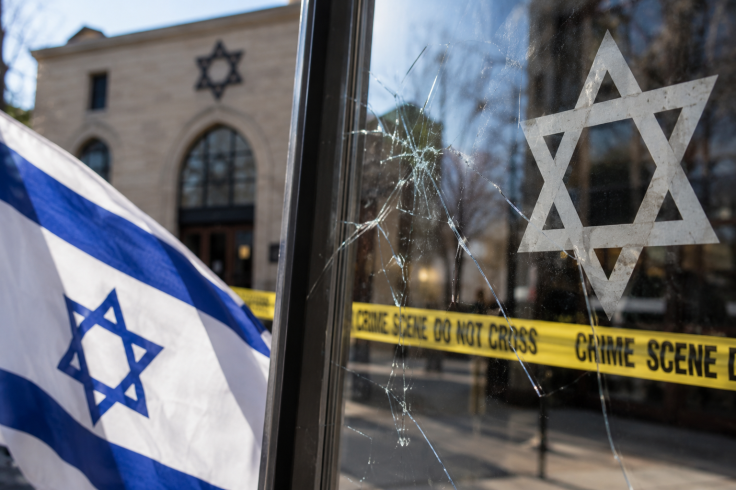
Anti-Jewish hate crimes accounted for nearly two-thirds of all reported religion-based hate crime incidents in the United States in 2025, according to newly released FBI statistics. The findings highlight the continued scale of antisemitism, even as the overall number of reported hate crime incidents declined compared with the previous year.
The figures recorded 1,528 anti-Jewish hate crime incidents in 2025, down from 1,938 in 2024. Despite the decline, Jewish people remained disproportionately affected by religiously motivated hostility, prompting renewed concern about the safety of Jewish communities across the country. Statistics reflect reported criminal incidents, not general attitudes or beliefs.
Two-Thirds of Religious Hate Crimes Target Jews
The FBI's latest figures show that 2,408 reported hate crime incidents in 2025 were motivated by religious bias. Of those, approximately 63 per cent targeted Jewish people, making antisemitism the most frequently recorded form of religion-based hate crime in the country.
Anti-Muslim hate crimes accounted for 205 incidents, placing them a distant second in the same category. The figures demonstrate a substantial disparity in reported incidents targeting the two religious communities.
However, the statistics measure reported criminal incidents rather than public opinion or the personal beliefs of Americans. They cannot establish that people generally hate one religious group more than another.
The data also represents incidents recorded by law enforcement, meaning it does not capture every act of discrimination, harassment or hostility that victims may experience.
Overall Hate Crime Numbers Declined
The FBI recorded 10,881 hate crime incidents across the United States in 2025, compared with 11,679 in 2024. Although that represents a decline in the overall total, anti-Jewish hate crimes continued to make up a substantial share of reported religiously motivated offences.
The latest figures also showed that Jewish people, who represent approximately two per cent of the US population, accounted for around 14 per cent of all reported hate crime victims in single-bias incidents targeting a particular group.
The numbers underline the disproportionate impact of antisemitism on a relatively small religious community. They also demonstrate why a reduction in annual incidents does not necessarily mean that the threat has disappeared.
Antisemitic Harassment and Vandalism Persist
Beyond the headline figures, antisemitic incidents have included assaults, intimidation, vandalism and damage to property. Synagogues, Jewish institutions and buildings displaying Jewish symbols have all been among the targets recorded in hate crime data.
The Anti-Defamation League, which separately tracks antisemitic incidents, reported 6,274 incidents in the United States in 2025. That figure was 33 per cent lower than its 2024 total, although it remained substantially higher than the levels recorded a decade earlier.
The organisation's figures include a broader range of incidents than the FBI's criminal statistics, including certain acts of harassment and vandalism that may not result in a criminal charge. The two totals should not be treated as directly comparable.
What the Findings Mean for Religious Communities
The latest statistics offer a reminder that declining annual totals do not erase the continuing problem of religious hatred. For Jewish communities, the disproportionate share of reported religion-based hate crimes remains a serious concern.
At the same time, anti-Muslim prejudice and crimes targeting other religious groups remain important issues that should not be overlooked. Statistics showing different levels of reported offences do not make the experiences of one community less significant than those of another.
Ultimately, the findings highlight the need for reliable reporting, effective investigations and measures that protect people from being targeted because of their faith. The figures provide evidence of the scale of reported antisemitic crime, but they should not be used to make sweeping assumptions about the attitudes of an entire population.
© Copyright IBTimes 2026. All rights reserved.