More Than 50 Arrested at Labour Conference Protest Over Signs Supporting Banned Palestine Action
Merseyside Police said those detained were suspected of Terrorism Act offences after protesting near the Labour conference in Liverpool

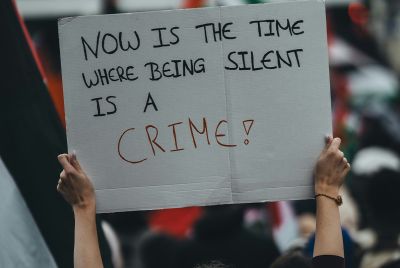
More than 50 people were arrested outside the Labour Party conference in Liverpool on Sunday, 27 September, over signs supporting Palestine Action, which the government has proscribed as a terrorist organisation.
Merseyside Police said the arrests, made near the Wheel of Liverpool beside the conference secure zone, were on suspicion of wearing or carrying an article supporting a proscribed organisation.
The demonstration was called by the campaign group Defend Our Juries and coincided with Andy Burnham's first Labour Party conference as prime minister. Protesters had gathered within sight of the main venue as delegates arrived for the day's events.
What Happened Outside the Conference
ITV News reported that more than 250 demonstrators gathered. Other estimates were lower: Defend Our Juries put the figure at 195, while Novara Media reported almost 200. Witness accounts said people held placards and banners referring to Palestine Action and its campaign against firms linked to Israel.
The Independent reported that officers asked some protesters whether they intended to continue displaying their signs before making arrests. Police said those detained were suspected of offences under the Terrorism Act. Officers were seen leading people away from the crowd and taking details before transporting them from the area.
Among those arrested was Margaret Owen, 94, a human rights barrister, according to Novara Media. Organisers said those taking part included teachers, pensioners and healthcare workers, many of whom had travelled from outside Liverpool to attend what had been advertised as a peaceful protest.
Defend Our Juries said the event was intended to highlight the impact of the government's decision to proscribe Palestine Action and to challenge the use of terrorism legislation in relation to protest activity. Legal observers were present and were seen taking notes and monitoring the interactions between police and demonstrators.
Merseyside Police did not immediately provide a breakdown of how many men and women were arrested, or how long they were held. It was also not yet clear on Sunday evening how many people, if any, had been charged.
The Law Behind the Arrests
Palestine Action was added to the UK's list of proscribed terrorist organisations on 5 July 2025. Under the Terrorism Act 2000, certain forms of support for a proscribed group are criminal offences. These include displaying an article in circumstances that arouse reasonable suspicion that a person is a member or supporter of the organisation.
An arrest on suspicion of an offence does not amount to a charge or a conviction. Suspects can be released without charge, bailed or released under investigation while inquiries continue.
The government says the proscription was based on national-security evidence and assessments. Campaigners argue that Palestine Action's direct action against companies linked to Israel's military industry should be treated as civil disobedience rather than terrorism. Defend Our Juries said Israel was committing what the group described as war crimes and ethnic cleansing in Gaza.
Home Office figures show that 2,819 arrests were linked to supporting Palestine Action in the year to March 2026. Of those, 484 resulted in charges, while 2,287 people were bailed or released under investigation.
Rights Groups, Judges and the Next Legal Battle
Amnesty International UK criticised the latest arrests. Its chief executive, Kerry Moscogiuri, described them as 'a truly shameful attack on freedom of speech'. Other civil liberties groups have raised concerns that using terrorism powers in relation to placards and slogans risks discouraging people from taking part in lawful demonstrations.
The arrests have intensified the debate over how the government's national-security powers should be balanced against the right to protest and freedom of expression. Supporters of the legislation say proscription is a key tool for disrupting organisations that break the law, while critics warn that its use around political protest will have a wider chilling effect.
The proscription is also the subject of continuing legal proceedings. The Court of Appeal ruled in June that the Home Secretary's decision to proscribe Palestine Action was lawful, finding that a fair balance had been struck between freedom of expression and association and national-security interests.
The Supreme Court has since granted permission to appeal on a limited issue: whether the Home Secretary followed her own published policy. A hearing is scheduled for 4 and 5 November. Lawyers and campaigners say the outcome could affect how future protests in support of Palestine Action are policed and prosecuted, even if the underlying proscription remains in place.
© Copyright IBTimes 2026. All rights reserved.
- Recommended For You