H3N2 Flu Virus Mutated Seven Times This Summer, Experts Warn of Strain 'Unlike Anything Seen in Years'
A newly mutated H3N2 strain, subclade K, has become dominant in the UK, carrying seven major genetic changes that may reduce immunity
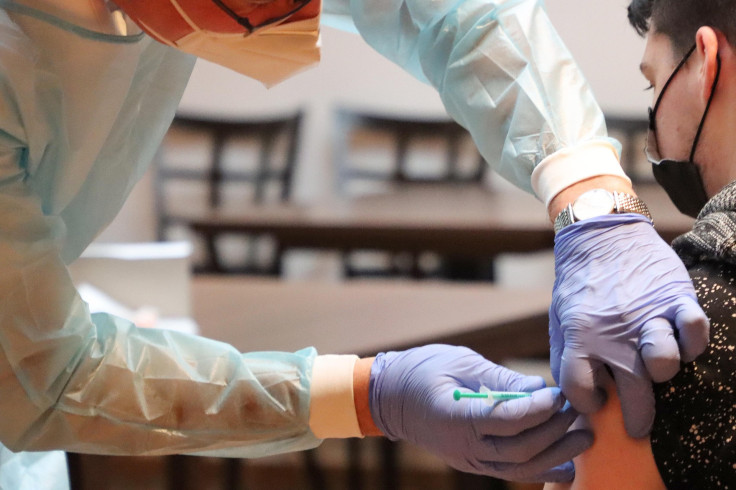
Health authorities in the UK have issued warnings as a mutated form of the H3N2 influenza virus spreads widely across England this autumn. The variant, known as subclade K (formerly J.2.4.1), has quickly become the dominant strain, according to the latest surveillance by the UK Health Security Agency (UKHSA). Experts are concerned that the virus' rapid evolution could challenge existing immunity and vaccine protection.
Early laboratory analysis shows that subclade K carries at least seven significant genetic changes compared with last season's H3N2 viruses. These mutations affect the virus' surface antigens, potentially reducing the effectiveness of neutralising antibodies from previous infection or immunisation. While early data indicate that the current flu vaccine still offers substantial protection against severe illness, scientists warn that increased transmissibility and lower population immunity could make this season particularly challenging.
Hospitals across the country are already reporting a rise in flu-related admissions. NHS trusts in several regions have declared critical incidents as emergency departments experience pressure from higher patient numbers. Doctors are urging the public to remain vigilant, get vaccinated, and take precautions such as practising good hand hygiene and staying home if unwell.
The Emergence of Subclade K
UKHSA surveillance indicates that most influenza A viruses identified since week 40 of 2025 belong to subclade K. This variant has diverged from the strains included in the 2025/26 seasonal flu vaccine, prompting closer monitoring. Laboratory studies suggest the changes could allow the virus to spread more efficiently and partially evade prior immunity. Despite this, a peer-reviewed study found that vaccination remains roughly 72–75 per cent effective at preventing severe disease in children and 32–39 per cent effective in adults.
Health experts note that even vaccinated individuals may still catch the virus, particularly older people, infants, and those with chronic health conditions. Antiviral treatments such as oseltamivir continue to be effective against H3N2 and are recommended for those at higher risk of complications.
UK ‘SUPERFLU’ OUTBREAK
— Cat in the Hat 🐈⬛ 🎩 🇬🇧 (@_CatintheHat) December 8, 2025
Schools in England & Wales have been forced to close amid escalating flu outbreaks with hundreds of pupils off sick at a time.
Simon Kidwell, headteacher of Hartford Manor Primary told BBC Breakfast: “The winter bugs spread really easily in schools”…
/1 pic.twitter.com/Kl0dyGLApP
How can high ranking people in the NHS push the completely discredited nonsense of mask wearing to protect anyone from a virus which is 800 times smaller than the holes in the mask ?
— Andrew Bridgen (@ABridgen) December 9, 2025
It’s about power and control. https://t.co/iiazjGskGZ
UKHSA data.
— Dr Clare Craig (@ClareCraigPath) December 9, 2025
Trajectory is perhaps a week early - that is all.https://t.co/Hqc3YSoHKf https://t.co/n0hhmDXGWa pic.twitter.com/LwyyyBy0fU
Hospital Admissions Rise
Hospitals in England have recorded a noticeable increase in flu cases, with some patients requiring intensive care. Several NHS trusts have reinstated emergency protocols, including mask requirements in wards and enhanced infection control measures. Health leaders have warned that pressure on services could intensify as the winter season progresses, compounded by seasonal drug shortages and ongoing staffing challenges, according to The Guardian.
Hospitals in England have already recorded a sharp increase in flu‑related admissions. According to recent NHS data, daily hospitalisations have surged compared with the same period last year, with a significant proportion of patients requiring intensive care.
Advice for the Public
Vaccination remains the most effective defence against influenza. Free flu jabs are available through the UK immunisation programme for older adults, young children, pregnant women, and those with underlying health conditions. Others are encouraged to consider obtaining the vaccine through pharmacies, particularly if they live with vulnerable individuals.
Members of the public are also advised to practise good hygiene, avoid crowded indoor spaces where possible, and self-isolate when experiencing flu symptoms. With subclade K spreading widely and the winter season underway, health authorities emphasise that public cooperation will be crucial in reducing severe illness and easing pressure on the NHS.
© Copyright IBTimes 2026. All rights reserved.
- MOST POPULAR IN National