

'Calculated and Desperate': Child Sex Predator Swallows a Vape Battery to Stay in Britain
The vape battery stunt was only the first obstacle in Sharma's deportation

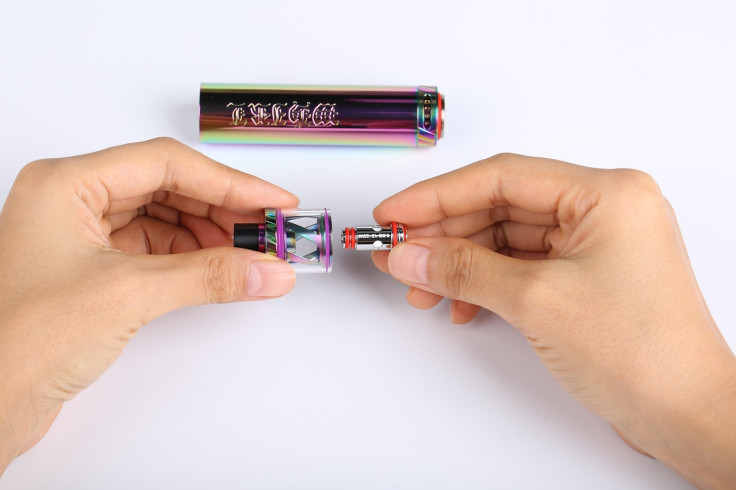
A convicted child sex offender from India used a startling method to delay his deportation from the UK, swallowing a vape battery just before officials attempted to put him on a removal flight. The man, referred to only as Sharma, ingested the device on 23 September 2024, prompting immediate medical intervention and forcing authorities to cancel the operation.
High Court judge Justice Simon Tinkler later confirmed that the timing of the incident left no doubt that the act was deliberate, intended to interrupt the removal process and buy more time in the country.
Two Failed Attempts
The vape battery stunt was only the first obstacle in Sharma's deportation. A second attempt soon after also collapsed, this time not because of misconduct on Sharma's part, but due to errors by the Indian High Commission.
Officials failed to complete the necessary paperwork for emergency travel documents, leaving UK authorities unable to lawfully place him on a flight.
According to the court, delays in cooperation from Indian officials significantly prolonged Sharma's stay, despite the seriousness of his offences. The situation has drawn attention to longstanding weaknesses in the UK's forced removal mechanisms, where diplomatic bottlenecks, administrative errors and deliberate sabotage frequently intersect to slow down or derail deportations.
Government figures show that 9,115 forced removals took place last year, including 5,179 foreign national offenders. Sharma's case illustrates how even high-risk individuals can remain in the country when coordination between governments falters.
Criminal History and Bail Breaches Heighten Risks
According to reports, Sharma's record includes a three-year prison sentence handed down in August for child sex offences and supplying Class B drugs in Scotland. His crimes placed him under strict conditions meant to keep him away from schools, parks and other areas frequented by children.
Despite these restrictions, he repeatedly breached bail conditions after being released on conditional immigration bail in May 2024. Justice Tinkler emphasised that any proposed accommodation for Sharma required careful vetting to ensure it was not located near vulnerable areas. Because no suitable option was found, he remained in detention.
The combination of criminal convictions, bail violations and attempted interference with deportation led the judge to conclude that Sharma continued to pose a clear risk to the public.
Compensation Claim Rejected
While officials struggled to move forward with his deportation, Sharma attempted to argue that part of his detention was unlawful and sought compensation. However, the High Court rejected this claim outright.
Justice Tinkler ruled that the authorities were justified in detaining him, citing both the ongoing risks he posed and his deliberate efforts to thwart removal from the country.
The Home Office said that removal is now 'likely imminent,' though it confirmed that Sharma will remain in detention until the process is completed. Officials stressed that his history of evading deportation leaves no room for relaxing restrictions.
Awaiting India's Approval
Furthermore, Sharma remains in UK detention while authorities wait for the necessary documents from India. His future depends on how quickly the paperwork moves — and whether further efforts are made to obstruct the process.
Sharma's case adds to a catalogue of extreme attempts by offenders to obstruct removal, ranging from last-minute asylum claims to feigned medical emergencies. The vape-battery incident underscores the lengths some individuals will go to in order to remain in Britain, even when facing serious criminal convictions.
© Copyright IBTimes 2026. All rights reserved.