

Home Office Deportations Under Fire After Report Details Force Used Against Vulnerable Asylum Seekers
An inspection of removals, including flights to France under the former 'one in, one out' scheme, also raised concerns about legal access, interpretation and record-keeping
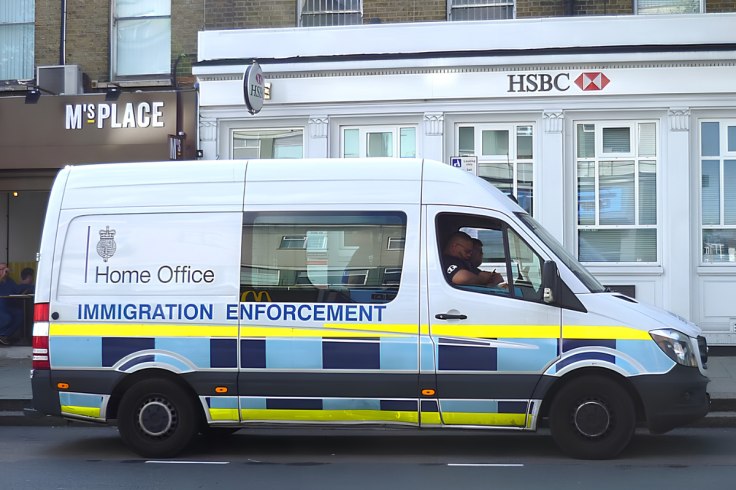
Home Office deportations are under scrutiny after an official inspection report found that some asylum seekers removed from the UK under the former 'one in, one out' scheme were subjected to 'unnecessary and intimidating' behaviour and disproportionate use of force. The findings examined deportation charter flights, including removals to France, and raised concerns about the treatment of vulnerable people during the process.
The report followed the UK government's pilot arrangement with France, which involved returning some people who had crossed the Channel in small boats to France while allowing a similar number of asylum seekers in northern France to travel legally to the UK to make claims.
The scheme was introduced to deter small boat crossings and tackle organised immigration crime. However, some people removed under the arrangement told The Guardian that they later returned to the UK after allegedly experiencing threats, violence and exploitation in France.
Reports of Use of Force Investigated
According to freedom of information data shared with The Guardian about Home Office deportation charter flights between July and September 2026, 26 use-of-force incidents were recorded across 26 flights. The flights included 21 removals to France, while others involved Albania, Lithuania and Romania. The data did not show that every flight involved the use of force.
A report by HM Inspectorate of Prisons reviewed body-worn footage from four previous deportation flights to France and identified nine incidents involving the use of force. Inspectors said at least one incident was not formally recorded by escorts.
In one case, inspectors described an asylum seeker as 'fragile' and said he was not eating consistently. They said the man had no history of active resistance or violence before he was taken from his cell by staff wearing protective equipment, including helmets and riot shields, and placed in a waist restraint belt and leg restraints.
Another man who was under constant suicide watch was carried to the aircraft using a waist restraint belt, along with leg and ankle restraints. A third man was placed in a waist restraint belt after saying he would not comply with his removal.
The inspection found that inspectors mostly observed caring and respectful interactions, but said leadership within collection teams was not always active enough to address behaviour described as unnecessary and intimidating. Concerns were also raised about interpretation services, access to legal representation and communication problems involving body-worn cameras.
Claims of Threats and Poor Support
Some asylum seekers facing removal said they returned to the UK after being sent to France, citing alleged threats and exploitation by smugglers. One man claimed he was captured after his transfer and said he feared being killed if returned to Iran.
He said he and others struggled to access effective legal advice before deportation, despite the Home Office stating that sufficient legal support was available.
Medical Justice criticised the scheme, saying it caused avoidable suffering among vulnerable people, including those with histories of trauma and torture. The charity's director, Emma Ginn, said the organisation had previously documented concerns about the treatment of people detained under the scheme.
The Home Office defended the policy, stating that it took the welfare and safety of people in its care seriously. A spokesperson said escorts were used when risk assessments showed they were required to ensure safe and successful removals.
The department said the pilot demonstrated that this type of returns arrangement could work and that lessons from the scheme would be considered as part of wider efforts to strengthen removals.
© Copyright IBTimes 2026. All rights reserved.