

iPhone Air 2 Delay Fuels Speculation That Apple Is Repositioning Its Mid-Range iPhone Line
Rumours grow as Apple tests niche positioning and prepares major camera upgrade
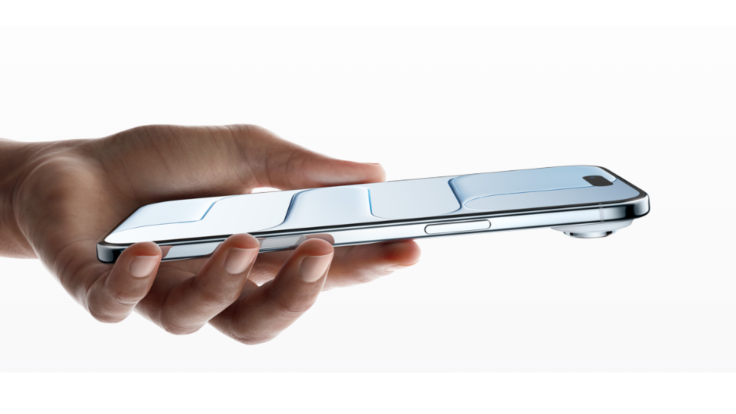
Reports of an iPhone Air 2 delay have sparked debate about Apple's strategy for its emerging mid-range product line.
Although earlier rumours suggested uncertainty around production timelines, new details indicate that Apple intends to release the device in spring 2027, according to Geeky Gadgets. The update clarified that Apple has not abandoned the model and instead plans to refine the Air's role as a niche product focused on innovation rather than mass-market sales. This approach mirrors how Apple treats its specialised categories such as the Vision Pro and Pro Display XDR, where long development cycles allow the company to introduce advanced features without relying on high unit numbers.
The first-generation iPhone Air accounted for only 3 per cent of iPhone 17 sales, falling short of internal projections. However, Apple appears comfortable with these figures. The Air series was designed as a low-volume device that showcases engineering experimentation, and the upcoming second generation aims to build on that purpose. The company intends for the Air to appeal to early adopters and users who prioritise design and lightweight performance over mainstream functionality.
New Timeline Creates Space for Significant Hardware Upgrades
Apple plans to launch the iPhone Air 2 alongside the iPhone 18 and iPhone 18e. This staggered release schedule gives developers time to integrate next-generation features. According to the report, the device is expected to deliver improvements in battery performance, thermal management and processing power. The new A20 chipset, built on TSMC's 2nm process, promises major gains in efficiency. Apple may also introduce a vapor cooling system to address performance throttling issues that affected the original Air model.
Battery life is expected to improve by 25 to 30 per cent. Combined with a more efficient chipset and updated modem technology, the iPhone Air 2 is positioned to deliver a smoother experience for gaming, media tasks and daily use. These upgrades indicate that Apple is treating the Air as a long-term experimental platform, refining its identity rather than chasing sales volume.
Second Camera Marks Key Evolution in the Air Line
A notable upgrade expected for the iPhone Air 2 is the addition of a secondary camera. A leak from GSM Arena suggested that Apple will add a 48MP ultrawide sensor to accompany the 48MP primary camera. The original Air's single lens received criticism, and the new dual-camera system would address one of the most common user complaints. The cameras may be arranged horizontally, marking a design change from the vertical layout seen in other iPhone models.
This improvement would also allow for greater versatility in creative photography. The ultrawide lens creates opportunities for landscape images and architectural shots, while the primary sensor continues to handle detailed everyday photography. The update reflects Apple's desire to elevate the Air beyond a lightweight novelty device and closer to a high-performance mid-range option.
Expanded Features Aim to Strengthen Apple's Niche Product Strategy
Beyond camera upgrades, the iPhone Air 2 is expected to introduce improvements across the display, audio system and materials. Reports suggest sharper visuals, stronger brightness levels and better colour accuracy. Internal adjustments to the dynamic island may improve its responsiveness and integration across the interface. Acoustic improvements could produce louder and clearer audio performance, and new materials may enhance durability while supporting thermal efficiency.
Each of these refinements supports Apple's vision of the Air as a specialised device built for users who seek high-performance features in a lighter footprint. These changes also confirm that the Air line is evolving with purpose rather than reacting to low sales.
Apple Uses Delay Rumours to Reset Expectations Around the Air Line
The new angle emerging from the discussion centres on how Apple is using speculation around the delay to shift public expectations. Rather than treating the Air line as a mainstream competitor, Apple appears to be repositioning it as a proving ground for design ideas that eventually influence the broader lineup. The extra development time strengthens this narrative. By signalling that the Air 2 will launch alongside the next-generation flagship models, Apple reinforces its commitment to the series despite its niche status.
The repositioning also signals a longer-term strategy for Apple's mid-range offerings. The Air will not replace the main models, yet it will introduce concepts that influence the iPhone ecosystem. The rumoured delay therefore becomes part of a larger strategic move, shaping how consumers view the Air line's purpose within the iPhone family.
© Copyright IBTimes 2026. All rights reserved.
- MOST POPULAR IN Technology


