

Iran's President Bets Everything on a US Deal He Calls the 'Best Option for Peace'
Pezeshkian faces domestic challenges as US-Iran negotiations stall
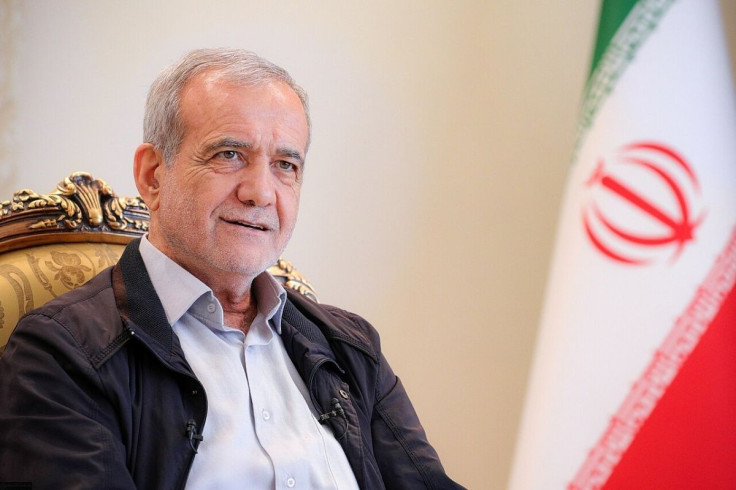
Iranian President Masoud Pezeshkian is defending negotiations with the United States as the best route towards peace, even as a previous agreement remains stalled, and tensions between Tehran and Washington continue to threaten regional stability.
Pezeshkian said the proposed agreement represented the best option available to Iran while protecting its dignity, wisdom and national interests. His comments come after a 60-day deadline expired on 17 August without producing a broader settlement between the two countries.
The impasse leaves Tehran facing difficult choices over its nuclear programme, sanctions and access to international trade, while Washington continues to demand concessions from the Iranian government.
Pezeshkian Says Diplomacy Better Than Confrontation
In remarks reported by Iran's state news agency IRNA on 23 August, Pezeshkian defended the memorandum of understanding reached with Washington and rejected claims that negotiations amounted to surrender.
The president has repeatedly argued that Iran needs a diplomatic solution to escape what he has described as a state of neither war nor peace.
His position puts him at the centre of an increasingly difficult political debate in Tehran. While Pezeshkian has promoted negotiations as a means of protecting Iran's interests, hardliners remain deeply sceptical about making concessions to Washington.
The president must therefore balance the potential economic benefits of an agreement against domestic opposition to further negotiations.
Why the US-Iran Agreement Remains Stalled
The memorandum was reached on 17 June, establishing a framework intended to reduce hostilities and create a path towards a wider agreement. However, the 60-day period for reaching further arrangements expired on 17 August without a final settlement.
One of the major disputes involves the Strait of Hormuz, a vital international shipping route through which a significant proportion of global oil supplies passes. Iran has linked the reopening of the waterway to demands including the lifting of the US blockade, removal of oil sanctions and release of frozen Iranian assets.
Washington has rejected Tehran's interpretation of the agreement, leaving the negotiations at an impasse.
Economic Pressure Raises the Stakes
The diplomatic uncertainty comes as Iran faces severe economic difficulties.
US sanctions have restricted Iranian oil exports and access to international financial markets, while the conflict has added further pressure to an already strained economy. US Treasury Secretary Scott Bessent has also warned of further sanctions, increasing pressure on Tehran to find a workable diplomatic solution.
Pezeshkian has acknowledged the impact of economic difficulties on ordinary Iranians, including concerns over inflation, employment and investment. For his administration, securing an agreement with Washington could provide a potential route towards economic relief.
Pakistan Attempts To Revive Negotiations
Pakistan is also attempting to play a role in resolving the crisis.
Pakistani army chief Field Marshal Asim Munir is due to visit Tehran on Monday 24 August, as Islamabad seeks to support efforts to restart negotiations between Iran and the United States. The visit comes as Tehran continues to signal that diplomacy remains possible despite the collapse of the previous deadline.
For Pezeshkian, the political calculation is becoming increasingly difficult. He must persuade Iran's leadership that negotiations can protect national interests while convincing Washington that Tehran is willing to make meaningful compromises.
His decision to call the agreement the 'best option for peace' signals that, despite the diplomatic deadlock, Iran's president still sees negotiations as preferable to a return to prolonged confrontation.
© Copyright IBTimes 2026. All rights reserved.