Iran and Us Chose To Sign Landmark Peace Deal in Geneva: What Other Treaties Have Been Inked There as Well?
KEY POINTS
- Geneva's Role in Diplomacy: From historic treaties to modern peace talks
- Geneva is widely recognised as the 'Peace Capital' of the world
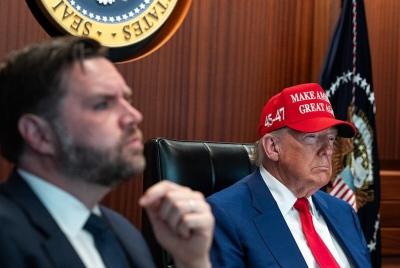
Geneva is once again preparing to take centre stage in global diplomacy as the United States and Iran move towards a formal signing ceremony for a memorandum of understanding (MoU) aimed at ending months of conflict and opening a new phase of negotiations.
The agreement, announced after intensive mediation efforts led by Pakistan and Qatar, is expected to be formally signed in Geneva later this week. The discussions and political framework also acknowledged support from Saudi Arabia, Egypt, and Turkey.
The framework reportedly includes an end to military operations, the reopening of the Strait of Hormuz and a 60-day period of negotiations on unresolved issues, including sanctions and nuclear concerns.
While some details remain under discussion, both Washington and Tehran have confirmed that a preliminary understanding has been reached.
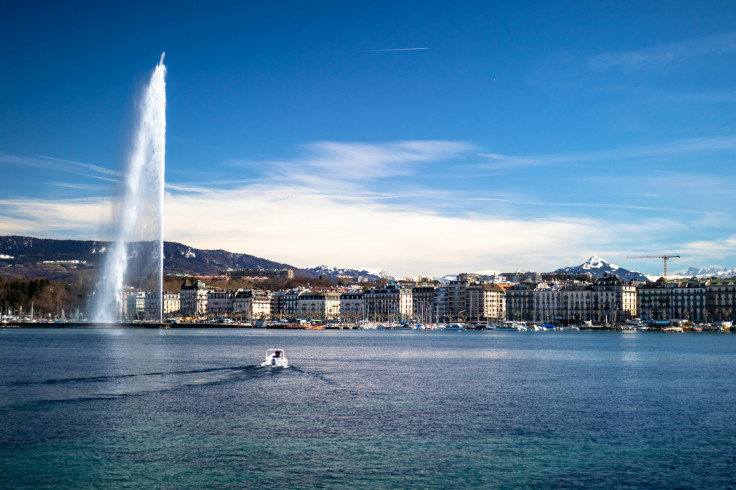
The choice of Geneva is hardly surprising. For more than 150 years, the Swiss city has served as a neutral meeting ground where adversaries have negotiated some of the world's most significant agreements.
What other treaties have been signed in Geneva?
Geneva Conventions Forged the Rules of Modern Warfare
Perhaps the most influential agreements ever associated with Geneva are the Geneva Conventions.
The first convention was signed in 1864 following efforts by Swiss humanitarian Henry Dunant and the International Committee of the Red Cross. It created protections for wounded soldiers on the battlefield and laid the foundation for modern humanitarian law.
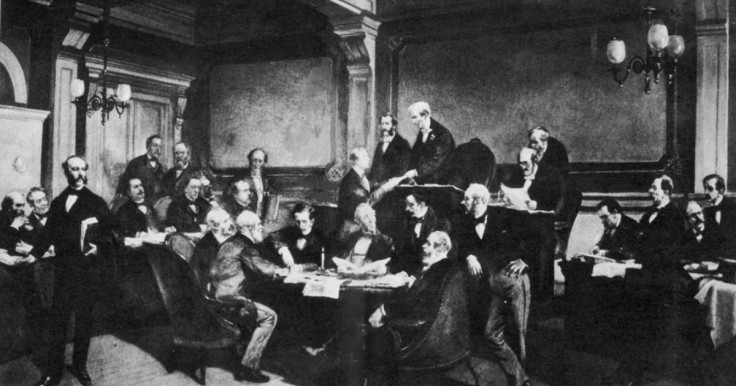
Following the devastation of the Second World War, nations returned to Geneva in 1949 to expand those protections. Four treaties were adopted, covering wounded and sick soldiers on land and at sea, prisoners of war and civilians caught in conflict.
Today, the Geneva Conventions remain the cornerstone of international humanitarian law and are recognised by virtually every nation in the world.
Geneva Accords Ended Colonial Wars and Cold War
Geneva later became a key venue for resolving conflicts linked to decolonisation and Cold War rivalries.
In 1954, the Geneva Accords brought an end to the First Indochina War between France and Vietnamese nationalist forces. The agreements paved the way for the independence of Vietnam, Laos and Cambodia, although Vietnam was temporarily divided pending future elections.
More than three decades later, Geneva again hosted a landmark agreement when Afghanistan and Pakistan signed the Geneva Accords of 1988, with the United States and Soviet Union acting as guarantors. The deal established a framework for the withdrawal of Soviet troops from Afghanistan and the return of millions of refugees.
Another important accord came in 1991 during the breakup of Yugoslavia. The Geneva ceasefire agreement, often linked to the Vance Plan, sought to halt fighting during Croatia's War of Independence and created conditions for United Nations peacekeeping operations.
Middle East Pacts Reinforced Geneva's Peace Reputation
Geneva has also played a crucial role in efforts to reduce tensions in the Middle East.
In 1974, Israel and Syria signed a disengagement accord following the Yom Kippur War. The agreement established a buffer zone monitored by the United Nations and helped prevent renewed large-scale fighting between the two countries.
A year later, Egypt and Israel signed the Sinai II Agreement in Geneva. Brokered by then-US Secretary of State Henry Kissinger, the pact reduced military tensions in the Sinai Peninsula and is widely viewed as an important step towards the eventual Egypt-Israel peace treaty.
In 2003, Swiss-backed Israeli and Palestinian negotiators launched the Geneva Initiative, an unofficial proposal outlining a possible two-state solution. Although never formally adopted, it remains one of the most detailed peace frameworks produced by representatives from both sides.
As diplomats prepare for the latest Iran-US ceremony, Geneva's long history provides a powerful backdrop. From humanitarian law to ceasefires and peace accords, the city has repeatedly served as a place where bitter rivals have attempted to replace conflict with dialogue.
Whether the new memorandum ultimately leads to a lasting settlement remains uncertain, but its signing in Geneva places it firmly within one of diplomacy's most enduring traditions.
© Copyright IBTimes 2026. All rights reserved.
- Recommended For You