Iranian Adviser Tells Tehran to Play the Long Game and Outlast Trump Until 2029
Iranian adviser advocates patience over confrontation or agreement with Trump
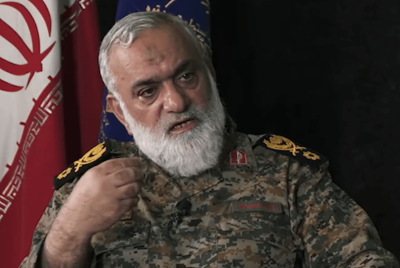
A senior adviser linked to Iran's parliament has urged Tehran to avoid both open war and a definitive agreement with Donald Trump, arguing that the best strategy is to wait out the US president's term. Majid Shakeri, an adviser to Iranian Parliament Speaker Mohammad Bagher Ghalibaf, has appeared in clips shared by Iranian media saying Tehran should not expect an agreement with Trump.
'Trump will not reach an agreement with us,' Shakeri reportedly said. 'We are going along with him until his term ends.'
That would mean holding the line until 20 January 2029, when Trump's current term is set to end. The remarks represent one influential view within Iran's political establishment rather than a confirmed strategy formally adopted by Tehran. Current reporting indicates that Iranian officials are still pursuing diplomatic contacts under certain conditions.
'Neither War Nor Peace'
Shakeri expanded on the argument in a post on X, framing Iran's approach as a long-term strategic contest rather than a choice between surrender and confrontation.
'The path to victory in this war is neither just fighting nor just reaching an understanding,' he wrote in Persian. He said the correct approach was 'managing the process of neither war nor peace, up to the point of victory.'
راه پيروزى در اين جنگ، فقط جنگيدن يا فقط تفاهم كردن نيست. راه پيروزى " مديريت فرايند نه جنگ نه صلح، تا نقطه پيروزى" است. اين موضوع چند پله از سطح درك مجادلات معمول سياست داخلى ايران بالاتر است، چون در سياست داخلى ايران جنگيدن و صلح كردن يك موضوع هويتى است.
— Majid Shakeri (@Majidshakeri8) August 10, 2026
In his view, publicly confirming negotiations with the US would be a mistake. The better strategy, he suggested, is to maintain denial, ambiguity and patience. That stance goes several steps beyond ordinary Iranian factional politics, Shakeri argued, because domestic debates often treat war and peace as identity questions rather than tools of statecraft.
That distinction matters because Shakeri is an adviser to Iran's parliamentary leadership, not a spokesperson announcing formal government policy. His comments therefore offer insight into one strand of thinking in Tehran but do not establish that Iran's leadership has collectively adopted the strategy.
Tehran Denies Direct US Talks
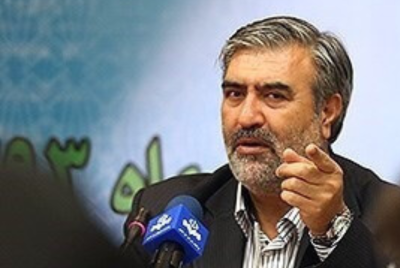
Iranian Foreign Ministry spokesperson Esmaeil Baqaei also said Monday that no direct negotiations are taking place between Iran and the US. He said existing contacts were limited to messages passed through intermediaries, meaning diplomatic communication has continued despite the absence of formal face-to-face negotiations.
Baqaei added that Tehran was focused on talks with Oman over a temporary shipping route through the Strait of Hormuz. 'Management and security of the Strait of Hormuz is Iran's responsibility,' he said.
Iran has tied any reopening of the waterway to major demands, including compensation for war damage, an end to US sanctions and access to frozen Iranian assets.
Oman Talks Continue Over Hormuz Route
Baqaei said Iran and Oman were discussing a 'middle and safe route' to replace previous traffic lanes in the Strait of Hormuz. That route would remain temporary until a new traffic separation plan was agreed.
'The main goal of the ongoing diplomatic negotiations is to reach a lasting understanding with Oman to establish complete security in this vital waterway,' he said.
The talks underscore why Shakeri's argument should not be read as Tehran abandoning diplomacy altogether. Iran is rejecting a definitive settlement with Trump in Shakeri's formulation while government officials continue engaging through intermediaries and negotiating separately with Oman over shipping arrangements. Current reporting says talks involving Iran, Oman and the US have continued over reopening the Strait.
Trump Says US Is 'Semi-Negotiating'
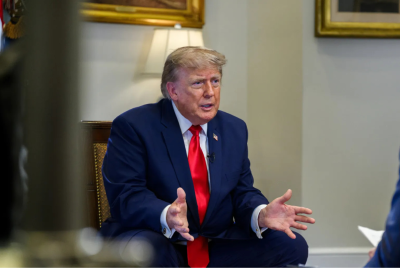
Trump offered a different version of events Sunday, telling Axios that the US was 'semi-negotiating' with Iran.
'We are low-keying it,' Trump said. 'We are only semi-negotiating with them.' He claimed Iran was under severe economic pressure, citing inflation and financial strain. He also said Washington's economic and military pressure had worsened Tehran's problems.
'It will work out. It always works out. It's like a chess game,' Trump said.
Shakeri's remarks suggest at least some influential figures close to Iran's parliamentary leadership favour playing a different game: maintaining pressure, avoiding a definitive agreement with Trump and managing a prolonged state of 'neither war nor peace' until his term ends.
That does not mean Tehran has formally decided to wait until 2029 before negotiating. For now, the evidence points instead to competing tracks: indirect diplomacy continues, talks over the Strait of Hormuz remain active, and figures such as Shakeri are publicly arguing that Iran should avoid giving Trump the comprehensive agreement he wants
© Copyright IBTimes 2026. All rights reserved.
- Recommended For You