Trump Says Iran Peace Deal Is On But The CIA Isn't Convinced
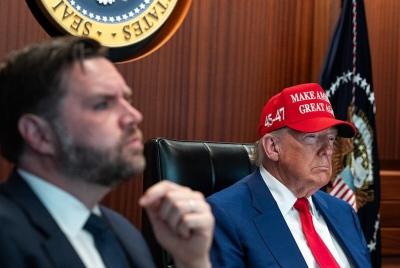
US President Trump expresses confidence in a peace deal with Iran at the G7 Summit, but internal doubts persist about Iran's commitment to nuclear concessions.
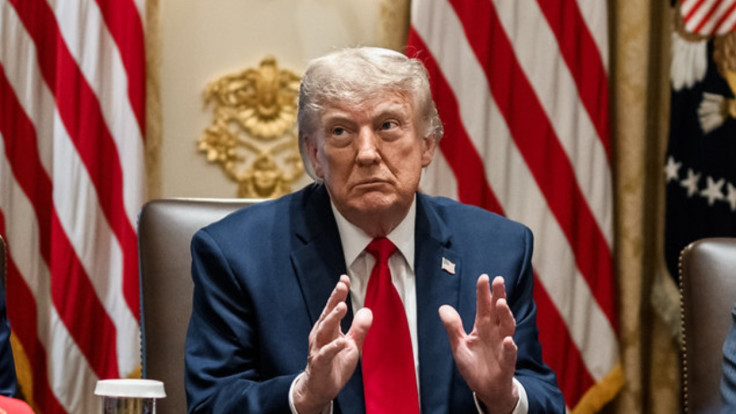
US President Donald Trump struck an optimistic tone as he arrived in France for the 2026 G7 Summit, insisting that a peace agreement between the United States and Iran is moving forward after months of conflict in West Asia. The proposed deal comes after nearly three months of hostilities and is expected to end military tensions, reopen the Strait of Hormuz, and pave the way for a phased easing of sanctions on Tehran. However, despite Trump's confidence, doubts remain within his own administration and across Capitol Hill.
Senior national security officials have reportedly questioned whether Iran intends to honour key commitments contained in the agreement, particularly those related to its nuclear programme. While supporters of the negotiations argue that the deal could help stabilise the region and reduce the risk of further confrontation, critics from both parties have expressed worry about enforcement, compliance, and the lack of publicly available details regarding the final terms.
Intelligence Concerns Cast Shadow Over Negotiations
While Trump has publicly projected confidence in the peace process, reports suggest that several senior officials within his administration remain unconvinced that Iran will fully comply with its commitments.
According to Axios, CIA Director John Ratcliffe briefed Trump and other senior administration officials on intelligence assessments that raised questions about Iran's willingness to follow through on the nuclear concessions being sought by Washington. The concerns reportedly centre on whether Tehran's intentions match the promises outlined in the proposed 14-point memorandum of understanding.
'The intelligence reflects that the Iranian intentions are not in line with their commitments under the deal,' Axios reported, citing a source familiar with the matter.
Ratcliffe is not alone in his concerns. Secretary of State Marco Rubio and Secretary of Defence Pete Hegseth have also reportedly expressed reservations about the framework currently being discussed between the two sides.
Not everyone within the administration shares those concerns. Vice President J.D. Vance, special envoy Steve Witkoff, and Jared Kushner are said to be among the strongest supporters of the agreement and have advocated moving forward with the deal.
Questions about Iran's nuclear programme remain at the centre of the negotiations. Although Tehran has repeatedly stated that it has no intention of developing a nuclear weapon, Washington has continued to raise concerns about uranium enrichment.
Vance recently provided additional details about one of the key elements under discussion.
'One of the core parts of the agreement is that the IAEA and the United States are going to help Iran destroy the highly enriched stockpile, and that's something that's spelt out very clearly in the MOU,' the vice president said during an interview with NBC News.
Under the reported framework, enriched uranium would either be diluted, disposed of or transferred to the United States in accordance with protocols issued by the International Atomic Energy Agency.
Lawmakers Demand More Clarity On Final Terms
The uncertainty surrounding the proposed agreement has also generated questions on Capitol Hill, where lawmakers from both parties have signalled that they want to see the final document before offering full support.
Senate Majority Leader John Thune said compliance and enforcement would likely become major issues once the details are released.
'I think that my understanding of what it entails and, again, not having seen anything, it would require, I think, the issues are going to be compliance, and how are you going to enforce that,' Thune told reporters.
Senator John Kennedy struck a similarly cautious tone, saying he remained hopeful but unwilling to make a judgement before reviewing the final agreement.
'Until you see the final document, it's hard to make an assessment,' Kennedy told the Associated Press.
Even Senator Lindsey Graham, who is widely viewed as a close ally of Trump, expressed scepticism. Graham suggested that the way Iranian officials describe the agreement differs sharply from how US officials have presented it.
'The way Iran describes it, it's awful. The way we describe it makes sense to me. Let's look at it and see what it actually is,' Graham told reporters.
Democrats have also raised concerns, particularly regarding Trump's criticism of the 2015 Joint Comprehensive Plan of Action signed during the Obama administration.
'For all his critique of JCPOA, we had international observers, we actually had an alliance there that included the Europeans, and Russia and China were all signatories,' Virginia Senator Mark Warner said during an appearance on CBS' Face the Nation.
Senator Elizabeth Warren pointed to lingering uncertainty surrounding issues such as sanctions relief, frozen assets, and the conflict involving Lebanon.
According to Warren, news surrounding the agreement currently 'has more questions than answers'.
Despite the scepticism, both Washington and Tehran have announced that a peace deal has been reached in principle. Reports from US and Iranian media outlets indicate that the agreement would establish a 60-day ceasefire in the Gulf and begin a new round of negotiations focused on Iran's nuclear programme.
If a final agreement is secured, the United States is expected to withdraw military forces deployed during the conflict and gradually lift sanctions on Iran. Pakistan, which has acted as a key mediator during the talks, has stated that the agreement will be formally signed in Switzerland. Trump has also said that the Strait of Hormuz will reopen for business immediately after the deal is signed and will operate without tolls.
© Copyright IBTimes 2026. All rights reserved.
- Recommended For You