Iran Suspend Negotiations as Trump Threats Escalate, Apology Set as Condition for Peace Talks Return
Iran demands apology and Israeli withdrawal from Lebanon as peace talks collapse
Iranian officials have suspended peace negotiations with the United States in Switzerland following a series of aggressive statements from President Donald Trump, including a profanity-laced threat to seize or destroy the Strait of Hormuz. Iran's delegation has since stated it will not return to talks until Israeli forces withdraw from southern Lebanon and ceasefire violations cease.
According to Al Mayadeen's bureau chief in Geneva, the delegation refused to enter the session, abruptly halting diplomatic progress. The Islamic Revolutionary Guard Corps separately declared the Strait of Hormuz closed, citing ongoing Israeli military action in Lebanon as a violation of the ceasefire framework.
How Hostile Statements Derailed Middle East Peace Talks
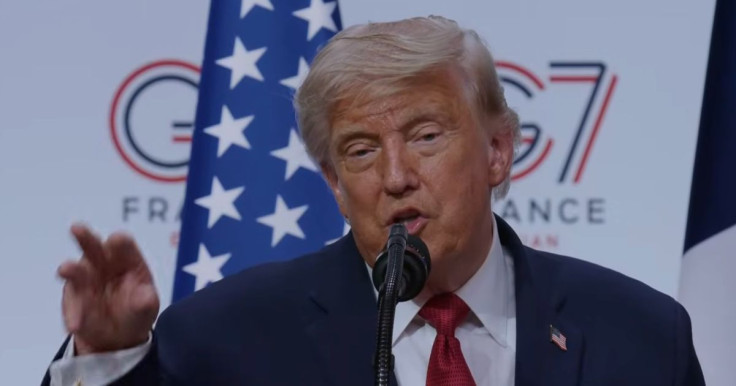
The talks collapsed after President Trump delivered severe warnings regarding the Strait of Hormuz in a phone interview with Fox News. He revealed his message to Iranian officials: 'You close the strait and you won't have a country.'
Trump detailed his direct communications with Iranian negotiators. 'You won't even make it back to your f---ing country... we'll take over the rest of the country,' he added. He threatened military intervention if maritime routes were disrupted. 'We may take over the Strait, if we have to. I'll blow the s--- out of them,' he stated.
Escalating tensions further on Truth Social, he wrote: 'Iran must immediately stop their highly paid PROXIES in Lebanon from causing trouble. If they don't, we'll hit Iran very hard again, just like we did last week, only harder!!!'
Why the Iranian Delegation Walked Out on JD Vance
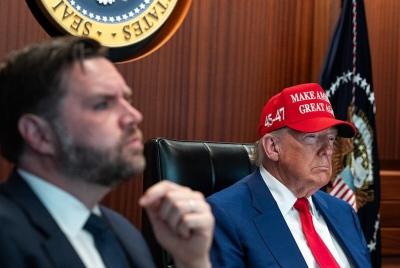
Before the collapse, Vice President JD Vance expressed optimism about the discussions alongside envoys Steve Witkoff and Jared Kushner. He had stated the US hoped to 'turn over a new leaf' and noted teams had made 'great progress.'
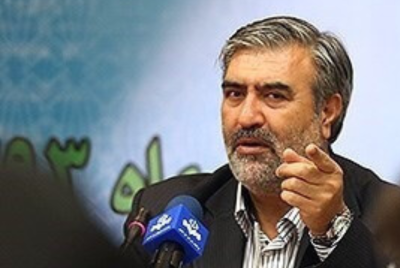
Led by Mohammad Ghalibaf and Foreign Minister Abbas Araqchi, the Iranian delegation rejected the American approach and lodged formal complaints with mediators from Qatar and Pakistan, according to reports. 'We do not take American threats into account,' said Ghalibaf, making clear that Washington's posturing would not yield results.
He warned that Tehran is prepared for military escalation. 'They would do better to be careful with their statements; our armed forces are ready to respond to them in a different manner. No matter what they say, we are the ones who act,' he added.
Al Mayadeen's bureau chief in Geneva reported that the Iranian response was clear, resulting in the suspension of negotiations and the delegation's refusal to enter the session.
— Al Mayadeen English (@MayadeenEnglish) June 21, 2026
He noted that the Iranian delegation will not return to the negotiating table until US President… pic.twitter.com/SrUY2jInHE
What the Collapse Means for the Broader Ceasefire
Negotiations were built upon a memorandum of understanding establishing a ceasefire and nuclear framework between the two countries. Qatar has played a role in facilitating the talks, with Pakistan also reported to have attended sessions in a supporting capacity.
Despite the diplomatic effort, Iran's Islamic Revolutionary Guard Corps closed the shipping lane as fighting between Israel and Hezbollah persisted. Iranian negotiators have made Israeli withdrawal from southern Lebanon a central condition for any return to substantive discussions.
The Israeli military has stated it remains committed to the ceasefire while reserving the right to act against immediate threats. Hezbollah chief Naim Qassem rejected any continued Israeli presence in Lebanon. 'Remaining on Lebanese land is impossible. There are no security zones for Israel. Israel is an aggressor and must leave,' he declared.
The Mounting Death Toll Since 2 March
According to the Lebanese health ministry, Israeli attacks have killed 4,057 people since 2 March, including medics, women and children. The ministry did not specify how many were Hezbollah fighters. Israeli authorities report that at least 32 soldiers and four civilians have been killed in the clashes. Israeli authorities report that at least 32 soldiers and four civilians have been killed in the clashes.
Vance framed the stakes plainly ahead of the collapse. 'The question is, can we turn over a new leaf? Can we change relations in the Middle East permanently, or do we go back to doing things the old way, which is not our preference but is certainly something that can happen,' he said.
With both sides now publicly entrenched and the Strait of Hormuz declared closed, mediators face the immediate task of preventing a diplomatic breakdown from becoming a military one.
© Copyright IBTimes 2026. All rights reserved.
- Recommended For You