

Iran's Leadership Confronts Rising Domestic and International Pressures
Iran's government navigates economic reform, security threats, and diplomatic challenges.
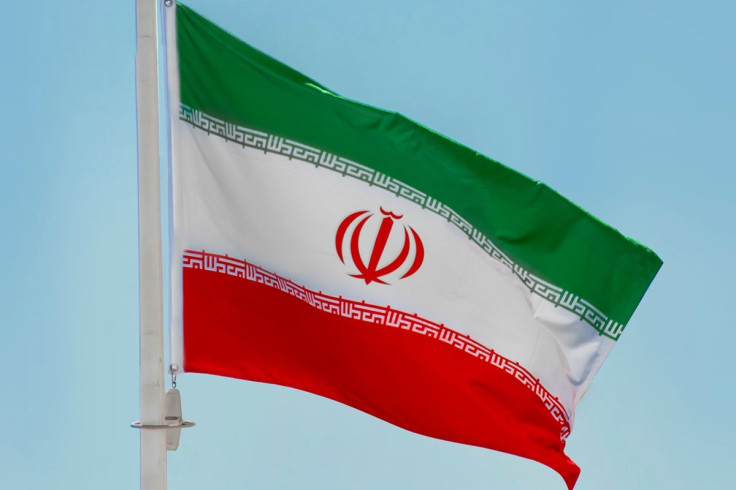
President Masoud Pezeshkian's government is attempting to address public concerns over inflation and living standards while navigating security threats and complex relations with the United States, Israel, and regional powers.
At the centre of these efforts are senior figures including Foreign Minister Abbas Araghchi, Parliament Speaker Mohammad Bagher Ghalibaf, and former Interior Minister Ahmad Vahidi, all of whom play influential roles in shaping Iran's response to mounting challenges.
The pressures come as Iranian officials seek to maintain stability while balancing economic priorities with national security concerns. How the government responds could have significant implications for both Iran and the wider Middle East.
Economic Pressures Continue to Challenge the Government
The economy remains one of the most pressing issues facing President Pezeshkian's administration.
Years of sanctions, currency volatility, and inflation have contributed to ongoing economic hardship for many Iranians. Rising prices and concerns about purchasing power have continued to place pressure on the government to deliver meaningful improvements in living standards while preserving economic stability.
President Pezeshkian has repeatedly stressed the need for economic reform and national unity, arguing that Iran must strengthen its economy while maintaining independence from external pressure. Government officials have also highlighted efforts to improve investment conditions and support key sectors of the economy.
Despite those efforts, economic concerns remain a major source of public frustration, making economic management one of the administration's most important tests in the months ahead.
Regional Tensions Keep Security Risks High
Alongside economic concerns, Iran continues to face a challenging regional security environment.
Foreign Minister Abbas Araghchi has warned that Iran would respond firmly to threats against the country, reflecting Tehran's continued emphasis on deterrence and national security. His comments come amid ongoing tensions involving Israel, the United States, and other regional actors.
Iranian officials maintain that protecting national interests and regional stability remains a priority. At the same time, they continue to engage in diplomatic efforts aimed at preventing broader conflict while safeguarding strategic interests.
The Strait of Hormuz remains a key focus because of its importance to global energy supplies and international trade. Any escalation involving the waterway could have consequences extending far beyond the region, increasing pressure on Iranian leaders to carefully manage security risks.
Key Political Figures Face Growing Expectations
Several senior officials have emerged as central figures in Iran's response to current challenges.
Parliament Speaker Mohammad Bagher Ghalibaf has advocated policies aimed at strengthening economic resilience and national preparedness, while Ahmad Vahidi has remained an influential voice on security matters.
These figures, alongside President Pezeshkian and Foreign Minister Araghchi, are expected to play major roles in determining how Iran addresses both domestic and international pressures.
Managing competing priorities will not be easy. Economic concerns, security challenges, and diplomatic considerations often require different approaches, placing additional pressure on policymakers to maintain unity and public confidence.
The effectiveness of Iran's leadership team may prove critical as the country navigates an increasingly uncertain environment.
What Happens Next?
Iran's leaders now face the difficult task of balancing economic recovery, regional security, and diplomatic engagement at the same time.
President Pezeshkian is expected to continue pursuing economic reforms while officials seek ways to ease financial pressures on households and businesses. Meanwhile, Araghchi and other senior figures will remain involved in diplomatic efforts aimed at reducing tensions and protecting Iran's strategic interests.
The coming months are likely to test the government's ability to manage multiple challenges simultaneously. Decisions regarding economic policy, regional security, and international engagement will be closely watched both within Iran and abroad.
For Tehran, the goal remains maintaining stability while adapting to a rapidly changing environment. Whether Iran's leadership can successfully navigate these pressures may help shape the country's future direction and its role in the broader Middle East.
© Copyright IBTimes 2026. All rights reserved.