

JLR to Axe 4,000 Jobs in £1.7 Billion Cost-Cutting Blitz as UK Minister Faces Crucial Talks With Boss
Chief Executive PB Balaji targets 300,000-vehicle break-even as Business Secretary Reynolds rejects bailout
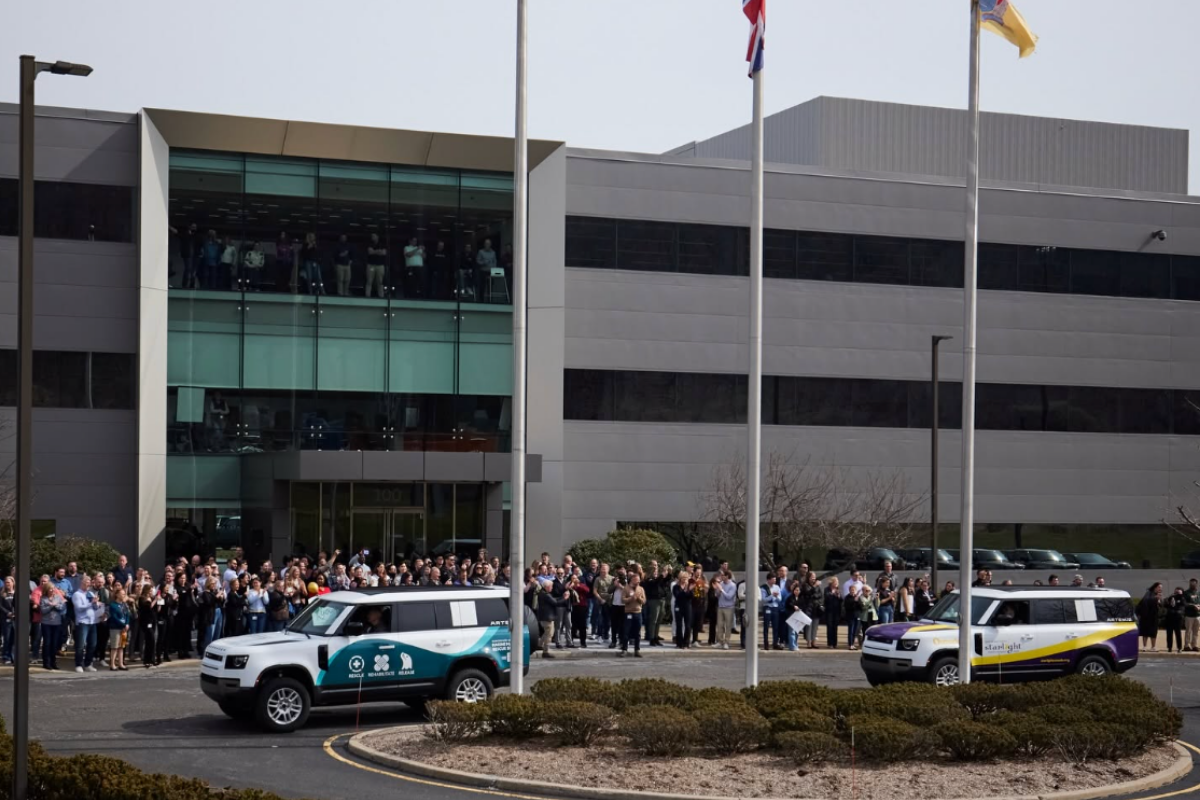
Jaguar Land Rover (JLR) is set to cut up to 4,000 jobs over the next two years as it targets £1.7B ($2.3B) in savings.
The Tata Motors-owned group opened a voluntary redundancy programme at the weekend, aimed mainly at salaried and management staff rather than factory-floor workers. The window for workers to apply runs until 4 October, and affected employees are expected to be contacted by email in the coming days.
Britain's largest carmaker employs around 34,000 people in the UK, with just under 10,000 more overseas, and the majority of the losses will fall at home. JLR has said it could move to compulsory redundancies, on less generous terms, if not enough staff volunteer to leave.
The programme follows a smaller round last year, when JLR cut about 500 UK management roles.
Business Secretary Jonathan Reynolds is due to meet chief executive PB Balaji and the wider leadership team early this week to discuss the redundancies.
Why JLR Is Cutting 4,000 Jobs
JLR set out the redundancies as part of a turnaround it calls Growth Reimagined, a plan to make the business profitable at a lower level of production.
Balaji said the group was targeting £1.7B ($2.3B) in savings to lower its break-even point to around 300,000 vehicles, down from roughly 380,000 today. 'The automotive industry faces significant challenges, with technological change amidst intense competition and ongoing geopolitical uncertainty,' he said.
Balaji said the savings would help fund fresh investment. He pointed to five new products due over the next 12 months and a renewed focus on North America, which he said would help deliver double-digit revenue growth. The company plans to invest £15B to £18B ($20B to $24B) over five years in electrification, digital technologies, and advanced manufacturing.
'We recognise this will be difficult news for colleagues affected, and are committed to supporting everyone with care, fairness and respect,' Balaji said.
Reynolds Rules Out a Bailout
Reynolds ruled out a taxpayer-funded rescue over the weekend. He had already spoken to Balaji and said he would meet the leadership team to try to mitigate the job losses, while making clear that government money would not be used to fund a bailout.
'A company the size of JLR, which is a huge British success story, at various times in its business cycle, the number of, directly, people it employs will change,' he said. Pressed on financial help, he said support was available for long-term investment, 'not if it's to bail people out.'
Unite, which represents thousands of JLR workers, said it had pushed for intensive government talks over the weekend. General secretary Sharon Graham said the union had been pivotal in securing a £1.5B ($2.0B) government facility for JLR after last year's cyberattack, and said staff should not be made to pay the price a second time. 'Once again, we will leave no stone unturned to support these workers,' she said.
A Year of Shocks for Britain's Biggest Carmaker
The cuts follow a run of setbacks over the past year. A cyberattack in September 2025 shut JLR's UK plants for around five weeks, cost an estimated £1.9B ($2.6B), and cut output by more than a quarter.
US tariffs have added to the pressure, hitting a firm that, unlike many rivals, builds no cars in America.
The US imposed a 25% tariff on imported vehicles in April 2025, then cut it to 10% on the first 100,000 UK-built cars shipped each year under a trade deal, though the initial disruption had already hit sales.
Cheaper Chinese competitors have also taken share in a market JLR once saw as a source of growth. Former BMW director Ian Robertson said the company should have followed its rivals and set up production in the US.
In its most recent quarter, revenue fell 9.6% year on year to £6B ($8.1B) in the three months to 30 June, as vehicle volumes dropped 9.2% and pre-tax profit before exceptional items fell to £109M ($147M).
The wider industry has also been cutting back, with Aston Martin and Bentley both announcing cost reductions in recent months.
© Copyright IBTimes 2026. All rights reserved.