

Jared Kushner 'Unlawfully' Serving as Diplomat Where His Business Interests Raise Concerns, Lawsuit Claims
Jared Kushner faces a lawsuit challenging his diplomatic role and seeking financial disclosures over his investment firm's foreign ties
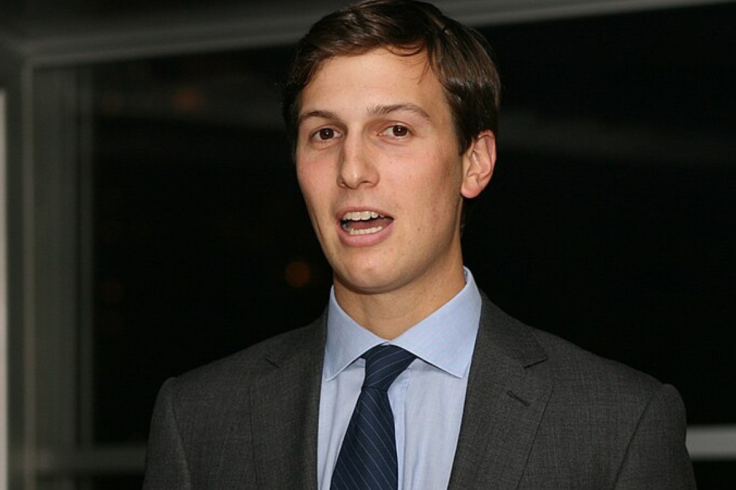
Jared Kushner is facing a lawsuit that claims he is unlawfully acting as a US diplomat while overseeing an investment firm whose foreign-backed funds could be affected by American foreign policy.
Filed in the US District Court for the District of Columbia on Wednesday, 14 October, the case brought by Citizens for Responsibility and Ethics in Washington (CREW) challenges Kushner's ongoing diplomatic work for the Trump administration.
The non-profit, non-partisan watchdog argues that his role requires a valid appointment under the Constitution's Appointments Clause and formal financial disclosures, and raises potential conflicts involving his investment firm, Affinity Partners.
The complaint says Kushner's diplomatic work began in 2025. In February 2026, President Donald Trump announced that he intended to name Kushner a peace envoy.
CREW says Kushner has since helped advance US foreign policy and negotiate with foreign leaders in Eastern Europe, the Persian Gulf and the Middle East. Those claims are allegations in the filing; the court has not ruled on them.
What the Jared Kushner Lawsuit Says About His Role
CREW's 45-page complaint describes Kushner as a continuing foreign policy negotiator who represents US interests abroad. It argues that the scale and duration of his work mean he is exercising the authority of a government officer.
On that basis, CREW says Kushner's role requires a valid appointment under the Appointments Clause. The complaint discusses Senate confirmation, but the applicable appointment process can vary according to the position. CREW asks the court to bar Kushner from continuing in the challenged role unless he is properly appointed.
The lawsuit also argues that the public record of Kushner's meetings with foreign officials does not show the full scope of his work. It says disclosure requirements would help establish what official activity has taken place.
CREW cites public statements by Trump crediting Kushner with foreign policy work as evidence that his role is ongoing and substantial.
Kushner's lawyer, Chad Mizelle, called the lawsuit 'without merit' and disputed CREW's standing to bring it, according to the Associated Press. Mizelle also said outside ethics counsel and government ethics attorneys had reviewed Kushner's volunteer government service and found that his arrangements complied with applicable requirements.
The White House has described Kushner as a volunteer and said his business activities are separate from his diplomatic work. Spokeswoman Anna Kelly said he conducts his diplomatic engagements at Trump's request, pays his own expenses and has no connection between those engagements and his personal business activities.
Why Affinity Partners Is Central to the Jared Kushner Lawsuit
CREW's complaint focuses on Affinity Partners, Kushner's private investment firm. It says the firm manages more than $6 billion in assets and alleges that foreign investors own about 99 per cent of those assets.
The filing identifies investors including sovereign wealth funds from Saudi Arabia, Qatar and the United Arab Emirates. It also says the firm has investments abroad, including in Israel.
The 99 per cent figure concerns assets under management, not ownership of Affinity Partners itself. The complaint says Affinity's investment strategy considers geopolitical risks and seeks opportunities shaped by global changes.
CREW argues that diplomatic decisions could affect those investments, creating a risk of financial conflicts or the appearance of divided interests.
The filing does not establish that Kushner acted to benefit his business. Rather, CREW argues that the combination of diplomatic work and private financial interests creates risks that appointment and disclosure rules are intended to address. Whether those rules apply to Kushner's current role is a legal question for the court.
CREW President Donald K. Sherman said in the organisation's announcement of the lawsuit that Kushner should be subject to appointment and disclosure requirements. 'Kushner is not an exception,' Sherman said. His comments represent CREW's position in the case.
What the Jared Kushner Lawsuit Asks the Court To Do
The three-count complaint asks the court to enjoin Kushner from continuing in the challenged diplomatic role and to enjoin certain senior officials from facilitating or supporting him in exercising the powers of a government officer.
CREW's filing seeks to prevent that work from continuing unless Kushner is properly appointed under the Appointments Clause.
The complaint also makes an alternative argument. If Kushner is legally considered a private citizen, CREW says the government authority he exercises was unlawfully delegated to him. If the court does not find a constitutional problem with his role, the organisation asks it to order him to file the financial disclosures CREW says are required.
The case will require the court to assess whether Kushner's work meets the legal test for a government position and whether the relevant appointment and disclosure rules apply. Initial coverage of the lawsuit reports no ruling on those questions.
© Copyright IBTimes 2026. All rights reserved.