

King Charles Marks Four Years on the Throne With a £640M Fortune, £270M More Than His Mother
In his fourth year, Charles was active with 164 official days, engaging with world leaders and making historic appearances

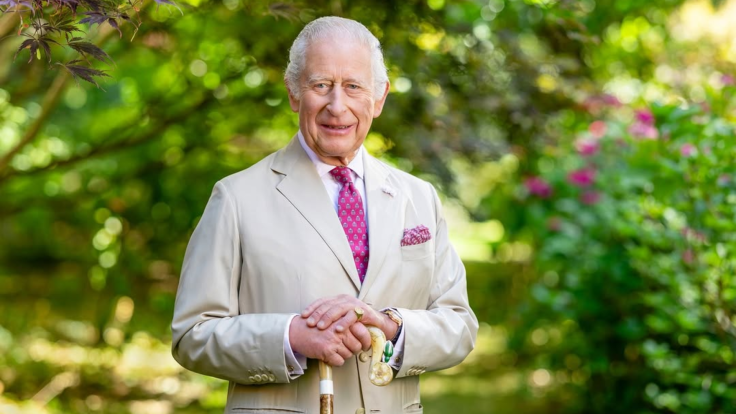
Four years ago, Britain lost its longest-reigning monarch and gained a King who had spent seven decades waiting for the throne. On 8 September 2022, Queen Elizabeth II died at Balmoral aged 96. Charles immediately became King Charles III. Four years later, he marks the anniversary with a packed record of public duties and a personal fortune that has drawn fresh attention.
The 2025 Sunday Times Rich List estimated Charles's personal wealth at £640 million, £270 million more than the £370 million attributed to Elizabeth II in 2022. The comparison is striking. But the figures tell only part of the story.
A King Still Keeping a Busy Diary
Charles has remained highly active during his fourth year on the throne. Press Association analysis of the Court Circular found that he carried out official duties on 164 separate days in the past 12 months. That was below the 176 days recorded during his third year, but above the totals for his first two years.
His schedule included meetings with US President Donald Trump, an audience with Pope Leo XIV, and a state visit to the United States. During the US visit, Charles addressed Congress, becoming only the second reigning British monarch to do so.
His domestic programme was equally varied. He visited communities and organisations across England, Scotland, Wales, and Northern Ireland. He also appeared in one of the more unusual moments of his reign when he and Queen Camilla emerged from a Tardis during the opening ceremony of the 2026 Commonwealth Games in Glasgow.
How Charles Reached £640M
The £640 million figure comes from the 2025 Sunday Times Rich List. Charles's fortune increased by £30 million in a year, with the rise largely linked to assets inherited from his mother, including the private estates of Sandringham and Balmoral. The calculation also includes his investment portfolio and other identifiable personal assets. Elizabeth II's personal fortune was estimated at £370 million when she died.
Her wealth included private property, investments, and other personal assets built up during her long reign. The exact contents of her private estate have never been fully public, with the Queen's will sealed.
Charles therefore did not simply accumulate his entire fortune during four years as King. A significant part of the increase reflects the transfer of private wealth following his mother's death.
The £640M Figure Does Not Include Crown Assets
This is where the distinction between royal wealth and personal wealth becomes crucial. The Crown Estate is not Charles's private property. It is held by the monarch in right of the Crown and managed independently. Its profits go to the Treasury rather than directly into the King's personal bank account.
The Crown Jewels and official royal residences are also not treated as Charles's personal possessions. The Royal Family's official guidance says the King owns Balmoral and Sandringham, which he inherited from Elizabeth II. But official residences, most of the Royal Collection, and the Crown Jewels are held by the sovereign for successors and the nation.
The Duchy of Lancaster is separate again. It is held for the sovereign and provides income through the Privy Purse. It should not be confused with Charles's private wealth.
Charles Is Worth More Now
There is another important wrinkle. The 2026 Sunday Times Rich List has since estimated Charles's wealth at £680 million, meaning the £640 million figure is no longer the latest estimate. But the £640 million figure remains significant because it provides the direct comparison requested with Elizabeth II's £370 million estimate. It shows how much Charles's personal financial position changed after inheriting his mother's private assets.
Four Years of Duty and Inherited Wealth
Charles's fourth anniversary is therefore about more than a number. He has spent the past year maintaining an intensive programme of constitutional, diplomatic, and community duties. He has also carried the financial legacy of the woman whose death placed him on the throne. The £640 million estimate captures part of that private inheritance.
It does not capture the value of the Crown Estate or the royal institutions he represents. Four years into his reign, Charles therefore stands at the intersection of two very different legacies: a private fortune shaped by generations of family wealth and a Crown whose most valuable assets are held not for him personally, but for the institution and its successors.
© Copyright IBTimes 2026. All rights reserved.