The Real Reason King Charles Doesn't Want to Live in Buckingham Palace After Its £369 Million Revamp

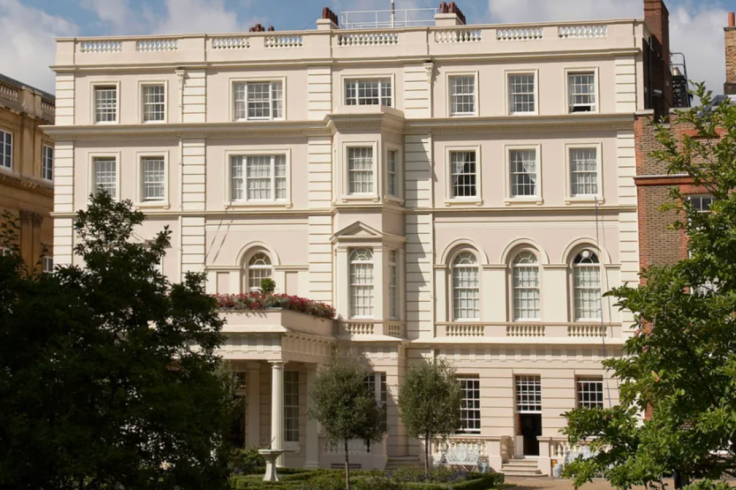
King Charles III is reportedly set to break with nearly two centuries of royal tradition by remaining at Clarence House instead of moving into Buckingham Palace once its £369 million refurbishment is complete.
While Buckingham Palace will continue to host state banquets, diplomatic receptions and other official engagements, the King's reported decision signals a significant shift in how Britain's most recognisable royal residence will be used.
More than a change of address, the move reflects Charles' vision of a modern monarchy that places greater emphasis on financial responsibility, public access and the efficient management of historic assets. At a time when royal finances and the Sovereign Grant remain under public scrutiny, the decision could reshape how Buckingham Palace is viewed by taxpayers, tourists and future generations.
Rather than serving as both the sovereign's home and the centre of royal operations, Buckingham Palace appears to be evolving into a dedicated venue for constitutional and ceremonial duties. Clarence House, meanwhile, will remain the King's private London residence.
Buckingham Palace's Role Is Changing
For almost 190 years, Buckingham Palace has functioned as both the monarch's official residence and the administrative heart of the Royal Family. King Charles' reported decision suggests those roles are now beginning to separate.
The palace's ongoing refurbishment has focused on replacing ageing electrical systems, plumbing and heating while improving accessibility and preserving one of Britain's most iconic historic buildings.
Once the work is complete, Buckingham Palace is expected to operate primarily as the centre of royal administration and state ceremonial rather than as the King's principal home.
That distinction could allow the palace to function first and foremost as a national institution while providing Charles with a private residence that already suits his day-to-day needs.
A Practical And Financial Decision
The reported move also reflects practical and financial considerations.
Buckingham Palace is one of the most complex buildings in the UK to manage. State visits, investitures, diplomatic receptions and ceremonial events require extensive planning, security and staffing throughout the year. Separating the King's private residence from the monarchy's main workplace could simplify day-to-day operations while allowing the palace to focus on its official role.
The decision may also have wider economic implications. Buckingham Palace remains one of London's most popular tourist attractions, and increased public access to more areas of the building could strengthen its appeal as a heritage destination while reinforcing its role as a public asset.
Although tourism is only one aspect of the palace's value, visitor spending and global interest in Britain's royal heritage contribute significantly to the wider economy.
Why The Decision Matters To Taxpayers
The reported move comes as public attention remains focused on royal spending.
The refurbishment is being funded through the Sovereign Grant, making questions about value for money inevitable. Against that backdrop, choosing not to occupy the country's largest royal residence may reinforce the Royal Household's efforts to demonstrate financial responsibility and transparency.
For many observers, the issue is not simply the cost of maintaining Buckingham Palace, but whether public resources are being used in a way that reflects modern expectations.
Keeping the King's private residence separate from the monarchy's ceremonial headquarters could help underline that Buckingham Palace exists primarily to serve the nation rather than the personal lifestyle of the sovereign.
A New Chapter For The Modern Monarchy
The symbolism of the reported decision may ultimately prove as significant as its practical benefits.
Buckingham Palace has long been the defining image of the British monarchy, yet Charles' approach suggests the institution's identity is no longer solely tied to where the sovereign lives.
Clarence House has been the London home of Charles and Queen Camilla for more than two decades, offering continuity in their private lives, while Buckingham Palace continues to represent the constitutional role of the Crown.
Whether future monarchs follow Charles' example remains uncertain. However, if Buckingham Palace increasingly becomes Britain's ceremonial headquarters while private royal life remains elsewhere, it could redefine public expectations of a modern monarchy.
Ultimately, the King's reported decision represents more than a personal preference. It reflects a broader vision of balancing heritage with practicality, preserving one of Britain's most iconic buildings while ensuring it continues to serve the public as a national institution.
© Copyright IBTimes 2026. All rights reserved.
- Recommended For You