

'He Didn't Feel Loved': Liam Payne's Cousin Reveals He Missed Singer's Final Call Before His Death
Ross Harris opens up about the crushing isolation of global stardom, unexpressed texts, and the urgent need for music industry accountability
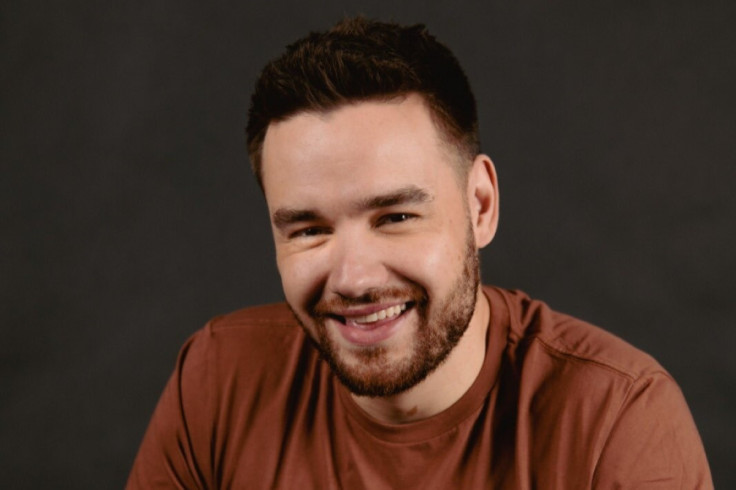
Ross Harris, cousin of the late One Direction star Liam Payne, has spoken publicly about missing a phone call from the singer on the very day he died, describing the heartbreak of realising too late that his cousin had been trying to reach him.
Harris, a composer and musician who grew up alongside Liam, appeared on ITV's Good Morning Britain to discuss the loss, revealing that a mix-up over time zones meant Payne's call crossed his path on 16 October 2024, the day Payne fell to his death from a hotel balcony in Buenos Aires, Argentina, at age 31.
Harris recalled that Payne had rung him; he tried to call back, and by the time contact should have been made, he believed his cousin had already passed.
The poignant conversation shed light on the intense psychological isolation experienced by child stars thrust into global fame during their formative years. Harris argued that the broader music industry lacks vital safeguarding and accountability for artists whose personal images generate vast commercial fortunes.
Promoting a new charity single dedicated to his cousin's memory, Harris offered a sobering look at the distinction between adoring crowds cheering for a global superstar and the deep human need to be loved for who one truly is.
A Cousin's Grief and Regret
Harris spoke about the guilt that has lingered since that missed connection. 'That was on the day. He called me on the phone, I called him and we missed it because of the time difference. I tried to call him but I think he was already gone by that point,' Harris revealed.
He admitted that, given the chance to turn back time, he would have done everything differently, including following through on messages he had drafted but never sent, telling people that Liam would have valued hearing from them.
'I wrote a bunch of drafts to people saying Liam would appreciate a call. I didn't send any of them because I thought we'd have more time,' he said.
'There were people in the industry who I drafted texts to and weirdly I thought we would have more time. He was coming back to Miami and we were all going to go out there and I was trying to get some other people to give him a call,' Harris stated.
During the interview, he spoke about what Liam was like to the people close to him. 'He was always very outgoing, very kind. Obviously, he was known around the world as Liam Payne. I knew him as Liam, my little cousin,' he said.
'Even though he was in his 30s, he was still basically a kid. He didn't get to grow up like a normal person. It's a dream, isn't it? You go on a TV show and become a superstar. That dream can end in the worst possible way,' he added.
The Isolation Behind the Stardom
Perhaps the most striking part of the interview came when Harris turned his attention to fame's isolating effects. He said that although millions of fans adored the public figure of Liam Payne, who rose to fame in the seventh season of The X Factor UK in 2010 alongside Harry Styles, Niall Horan, Louis Tomlinson, and Zayn Malik, that adoration was directed at an image rather than the person behind it, leaving the singer starved of the kind of love reserved for who he truly was.
'Even though he was in his 30s, he was still basically a kid. He didn't get to grow up like a normal person. It's a dream, isn't it? You go on a TV show and become a superstar. That dream can end in the worst possible way,' Harris said of Payne.
Harris explained further that the wider music industry bears some responsibility for what happened, saying that anyone profiting from a star's image should be held accountable for their welfare along the way.
'The problem is there is no accountability. When someone's image is used to make money, I believe there has to be accountability along the way. He didn't feel loved, which is ironic for a superstar because he had a million people who loved him, but they loved Liam Payne. He needed someone to love Liam,' he said during the interview.
As public conversations surrounding artist welfare continue to evolve, interviews like Harris's provide an essential human perspective. They remind audiences that behind every glittering chart record and stadium tour lies a complex, vulnerable human being who deserved enduring support.
© Copyright IBTimes 2026. All rights reserved.