

Lindsay Clancy $1 Million GoFundMe Sparks Fury as Hero Fire Mom Struggles to Raise $42,000
The Musgrove Family Fund raises questions about online fundraising disparities
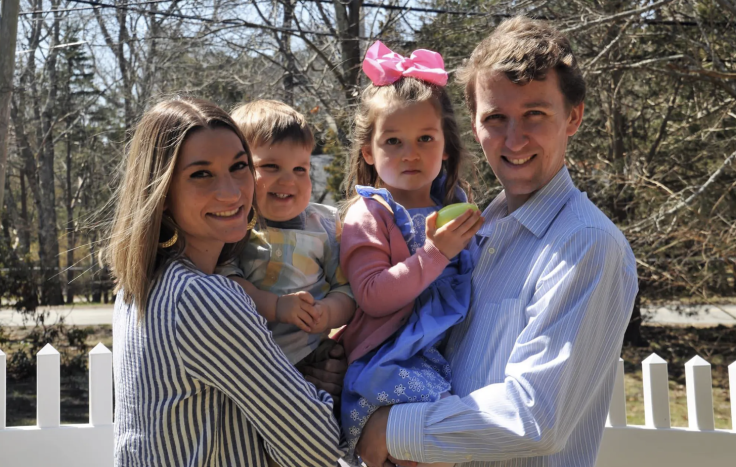
A GoFundMe campaign supporting the parents of Lindsay Clancy has surpassed $1 million (£736,000), prompting fierce online debate over the stark difference in fundraising outcomes compared with other families who have endured devastating circumstances. Among the campaigns now being compared is that of Emma Schols in Sweden, a mother who reportedly raised around $42,000 (£30,900) after saving her six children from a house fire.
The Musgrove Family Fund was created to support Clancy's parents, Mike and Paula Musgrove, as they deal with the financial and emotional pressures surrounding their daughter's ongoing murder trial in Massachusetts. According to reports, the fundraiser is intended to help cover expenses including travel, accommodation and living costs as the couple relocated and attended court proceedings.
Lindsay Clancy's GoFundMe Reaches $1 Million
Supporters of the Musgrove family argue that the fundraiser should not be viewed as financial support for the alleged crimes at the centre of the case. Instead, they say the money is intended to help Clancy's parents cope with the enormous costs associated with supporting their daughter during a highly publicised legal battle.
The circumstances surrounding the case have made Clancy one of the most controversial figures in the US. She is accused of killing her three young children in Massachusetts in January 2023. Her defence has focused heavily on her mental health at the time of the deaths, while prosecutors have presented their own account of what happened.
For her parents, the trial has created a situation involving repeated travel, accommodation and other expenses. Supporters of the fundraiser say the couple should not be financially ruined because they are standing by their daughter.
GoFundMe 'Double Standard'
The backlash has intensified because social media users have compared the Musgrove fundraiser with another campaign involving Emma Schols, a Swedish mother who reportedly rescued her six children from a house fire.
That fundraiser has struggled to approach the same level of financial support, reportedly sitting at around $42,000 (£30,900). The comparison has prompted accusations of a GoFundMe 'double standard,' with critics questioning why a family associated with such a notorious criminal case can receive more than $1 million (£736,000) while a mother celebrated for protecting her children during an emergency has received dramatically less.
The comparison does not necessarily mean the two fundraisers have identical circumstances, goals or audiences. GoFundMe campaigns depend heavily on publicity, timing, social-media reach and the willingness of individual donors to contribute.
Nevertheless, the enormous difference has become the focus of a wider conversation about how online fundraising works. A campaign connected to a nationally recognised case can attract widespread attention almost instantly, while people facing urgent financial hardship may struggle to gain visibility.
Supporters Defend the Musgrove Family
Those supporting the $1 million (£736,000) fundraiser have pushed back against criticism, arguing that Mike and Paula Musgrove should not be judged solely because their daughter is accused of a horrific crime.
Supporters say the retired parents are dealing with an exceptionally difficult situation and that donors should have the freedom to decide where their money goes. They also stress that contributing to the fundraiser does not mean endorsing the deaths of Clancy's children or dismissing the suffering of the victims' families.
Critics, however, remain uncomfortable with the sheer scale of the fundraising effort. For them, the controversy is less about whether Clancy's parents deserve support and more about what the fundraiser reveals about the unpredictable nature of internet attention.
The contrasting figures, more than $1 million (£736,000) for the Musgrove family compared with roughly $42,000 (£30,900) for the fire-rescue mother, have therefore become a powerful example of how dramatically online fundraising can differ from one campaign to another.
Ultimately, GoFundMe donations are voluntary, and there is no fixed formula determining which campaigns will go viral. But the striking contrast has reignited debate over public sympathy, social-media influence and whether the most visible stories inevitably receive the greatest financial support.
© Copyright IBTimes 2026. All rights reserved.