

Syria Sentences Two to Death Over 1,426 Killings as Rights Group Warns Against 'Selective' Justice
The Aleppo court also issued prison terms and acquittals, while questions remain over whether proceedings will address abuses committed by all parties
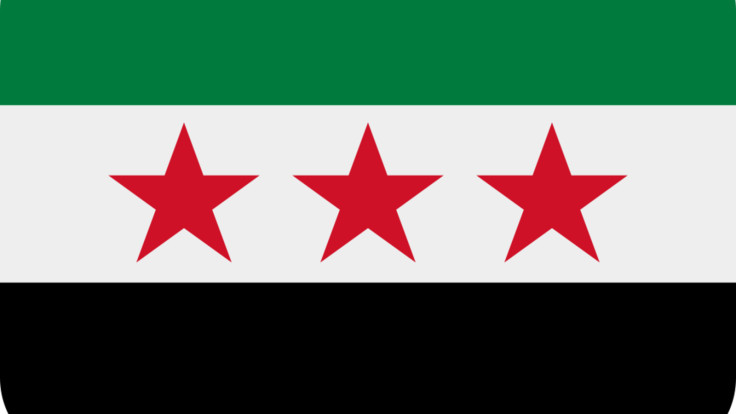
A Syrian military court sentenced two men to death on Thursday, 15 October 2026, over offences linked to the deadly coastal violence of March 2025. The rulings also included prison sentences for other defendants and acquittals, according to Syria's state news agency, SANA.
The case concerns violence that killed hundreds of civilians and security personnel. A national fact-finding committee documented 1,426 civilian deaths, including 90 women, and separately recorded 238 army and security personnel killed during the initial attacks.
The Syrian Observatory for Human Rights (SOHR) has called for accountability that covers all individuals responsible for abuses, regardless of their affiliations. Its position highlights concerns about whether the proceedings will address violations committed by all parties.
The court convicted al-Waddah Ismail and Maher Ali of seeking to incite civil war and sectarian fighting, and leading armed groups intending to attack public forces. Both men received death sentences, SANA reported.
The verdicts form part of wider judicial proceedings over the coastal violence, which followed the fall of Bashar al-Assad's government in December 2024. The initial attacks targeted army and security facilities, before subsequent operations were accompanied by abuses against civilians.
The national committee's findings provide important context for the case. Its report, published on 22 July 2025, documented deaths among civilians and security personnel and examined violations during the violence. The committee said abuses against civilians were committed by individuals and small groups with varying motives.
What the Court Ruled in the Syria Death Sentences Case
The Military Criminal Court in Aleppo announced several other rulings alongside the two death sentences. Maher Othman received 12 years in prison for complicity in the offences, according to SANA.
The court sentenced Mohammed Bakour to 20 years in prison for intentional murder. Ammar Abdul Aal received a three-year prison sentence for torture. The court also acquitted Abdul Raouf Bakrjan and Mohammed Zarzouri.
These decisions concern different defendants and charges. They should not be interpreted as a determination of responsibility for every death during the March 2025 violence.
The proceedings also extend beyond the latest hearing. On 17 September 2026, the same court issued verdicts against four other defendants. One received a death sentence, another was sentenced to life imprisonment, a third received a 20-year prison term, and the fourth was acquitted.
Public hearings over the coastal events began at the Palace of Justice in Aleppo on 18 November 2025. The proceedings have examined allegations involving former-regime affiliates and personnel serving under Syria's current Defence Ministry.
The national committee's investigation recorded 238 army and security personnel killed during the initial attacks. It also documented 1,426 civilian deaths, including 90 women, during the wider coastal events. These figures describe separate categories and should not be combined without explaining their relationship.
The casualty figures underline the scale of the violence, but they do not establish individual criminal responsibility. That determination depends on the evidence and findings in each defendant's case.
Rights Group Calls for Accountability Without Selective Justice
SOHR responded to the latest verdicts by calling for all individuals responsible for abuses to be held accountable, regardless of their political loyalties, affiliations or military positions.
The organisation's position raises a central question about the proceedings: whether accountability will extend to all parties implicated in the violence. The court's latest decisions address specific defendants and charges, rather than resolving every question about the events.
The distinction matters because the violence involved different phases. Armed groups launched attacks against army and security facilities in March 2025. Subsequent security operations were accompanied by abuses against civilians, according to the national committee's findings.
The committee reported that these civilian abuses were committed by individuals and small groups with varying motives. Its findings provide context for understanding why the proceedings involve defendants associated with different sides of the conflict.
The latest convictions and acquittals therefore represent individual judicial outcomes, not a complete accounting of the violence. The court has imposed severe penalties in some cases while acquitting other defendants where the proceedings resulted in that outcome.
The death sentences are confirmed judicial rulings, but the available reporting does not establish whether or when they will be carried out. It would be premature to present the sentences as executions or to predict their implementation.
For victims' families, the broader issue remains whether those responsible for the documented deaths and abuses will be identified and held accountable. The latest decisions mark another stage in the legal proceedings, while questions about the full scope of responsibility remain unresolved.
© Copyright IBTimes 2026. All rights reserved.